
South Asia

Nepali Prime Minister Balendra Shah Heads to India for Talks on Economic Cooperation and Bilateral Tensions
Nepalese Prime Minister Balendra Shah will travel to New Delhi for discussions with Indian Prime Minister Narendra Modi on economic assistance, infrastructure, and trade. The meeting comes as Nepal seeks closer economic ties with its neighbor, despite disagreements over their shared border, infrastructure projects, and water resources.

Op-Ed: Pakistan’s Anti-Terrorism Act Continues to Expand State Discretion and Suppress Dissent
Pakistan’s terrorist landscape has necessitated the use of the Anti-Terrorism Act (ATA), initially enacted in 1997. Far from its intended purpose, the state has leveraged the broad scope of the Act to employ disproportionate force against civilians, target minorities, and increase state discretionary power against dissent.

Execution, Legal Battles, and Political Fallout Await Sheikh Hasina’s Potential December Return.
Former Bangladeshi Prime Minister Sheikh Hasina has announced plans to return to Bangladesh this December, more than two years after a student-led uprising forcing her removal from office. Her 15-year rule was marked by authoritarianism, political repression, and human rights abuses. With her current death sentence and legal proceedings pending, Hasina’s potential return could intensify political tensions within Bangladesh.

Op-Ed: Is Indian Democracy Still Going Strong?
India’s 2024 general elections demonstrated that voters still have the power to challenge Prime Minister Narendra Modi’s government. Yet, growing concerns over institutional independence, press freedom, and political dissent raise a difficult question: How strong is a democracy when the institutions protecting its democracy are increasingly under pressure?

Op-Ed: The True Price Behind Bangladesh’s Economic Growth
As the cost of living rises and the economy slows, garment factories across Bangladesh have faced widespread disruption, with more than 500 temporarily closing due to the demonstrations. Thousands of garment workers have taken to the streets in defiance, where police have responded with tear gas and sound grenades, underscoring the intensity of the workers’ frustrations.

Rubio Pushes Trade Deal and Energy Cooperation During India Visit
U.S Secretary of State Marco Rubio meets India’s foreign minister in Mumbai as the two countries work toward finalizing a trade agreement amid ongoing disagreements over tariffs and Russian oil. His subsequent visit to Reliance Industries’ Jamnagar refinery in Gujarat underscores the importance of energy cooperation in the relationship.

Sri Lanka's Economic Recovery Underscores the Geopolitics of Debt
Sri Lanka’s IMF-backed recovery continues as the country works to restructure its debt and restore economic stability following its 2022 financial crisis. The ongoing process highlights the strategic interests of India and China in the Indian Ocean, as Sri Lanka balances international financial assistance with relationships among competing regional powers.
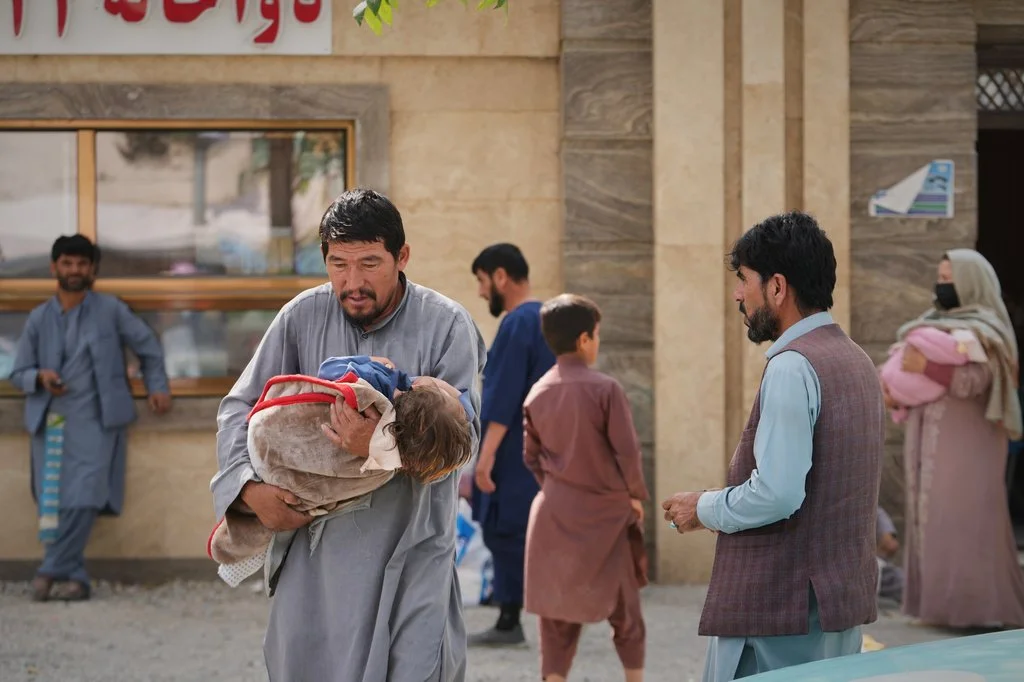
Afghanistan’s Humanitarian Crisis Deepens Amid Funding Shortfalls
Millions of Afghans require humanitarian assistance as aid continues to decline and fall short of the country’s needs. Food insecurity, malnutrition, and the closure of resource centers place strains upon families as the country approaches the 2026-2027 winter season.

Sri Lanka’s Counterterrorism Reform Draws Scrutiny Over Detention Powers
Sri Lanka’s proposed replacement for its decades-old counterterrorism law has sparked debate over whether the legislation would meaningfully strengthen protections against arbitrary detention or preserve the broad executive powers that have drawn criticism under its predecessor.

India’s Special Intensive Revision Sparks Outrage Over Alleged Electoral Fraud and Disenfranchisement
Thousands of protesters in India are accusing the Chief Election Commissioner of electoral manipulation and demanding he resign. The demands came in response to the commission’s “Special Intensive Revision” deleting 130 million names from the electoral rolls over the past year. While officials claim SIR legitimately removed dead, relocated, and untraceable people, critics allege the operation disenfranchises minority voters and benefits Prime Minister Narendra Modi’s ruling party.

U.S.-India Trade Talks Hit ‘Plateau’ Over Russian Oil
U.S.-India trade talks have stalled as Washington applies tariff pressure over New Delhi’s ongoing purchases of Russian oil, putting India’s policy of strategic autonomy to the test.

Imran Khan’s Political Influence Endures as PTI Marches Toward Islamabad
Pakistani police placed large shipping containers along central roads surrounding Pakistan’s capital ahead of the planned demonstration, restricting access to key routes into Islamabad. PTI had originally scheduled the march for September 27, but it was postponed as negotiations between the two parties continued.

A Punjab Border Shooting Puts India-Pakistan Tensions Back in Focus
Two Pakistani nationals were killed along the Punjab border on Oct. 2, prompting India and Pakistan to summon each other’s diplomats. The incident has renewed diplomatic tensions between the nuclear-armed neighbors, whose governments have offered conflicting accounts of what happened.

Afghanistan-Pakistan Conflict Puts Russia at Center of Regional Diplomacy
Regional powers called for dialogue as Afghanistan and Pakistan traded accusations over militant activity and cross-border attacks, but the Moscow meeting ended without a joint statement.

LNG Shocks Are Exposing South Asia’s Energy Vulnerability
Disruptions to Qatari LNG exports have sent energy costs soaring across South Asia, straining industries dependent on imported gas. While India has cushioned the shock through diversified sourcing, Bangladesh’s reliance on Qatar has left its economy increasingly exposed to the volatility of global energy markets.

Stranded at Zero Line: West Bengal's Deportations Spark Citizenship Disputes
Since the Bharatiya Janata Party (BJP) won West Bengal in May's election, the new state government under Chief Minister Suvendu Adhikari launched a "detect, delete and deport" campaign to expel undocumented Bangladeshi migrants. Bangladesh rejected these efforts and accused Adhikari’s government of refusing to adhere to proper repatriation channels. Meanwhile, reporters question the legal and humanitarian basis of these deportations, particularly as many individuals claim to be Bengali-speaking Indian Muslims.

Op-ed: Bangladesh's Measles Outbreak Reveals Gaps in Vaccination Framework
Since mid-March Bangladesh has faced an escalating measles outbreak, with suspected cases climbing into the tens of thousands in recent weeks, revealing underlying accumulated gaps in this seemingly robust vaccine framework, and emphasizing the need to identify the origin of these vulnerabilities and address them.

From Noida to Haryana, India’s Industrial Belt is Cracking Under the Weight of a Distant War
As the Middle East conflict drives up energy costs and empties kitchen cylinders, India’s migrant factory workers are either taking to the streets or heading home, and manufacturers are bracing for both.

Trust, Control, and Code: The Restrictions of India and U.S. Tech “Unionship”
Despite increasing strategic alignment in AI and defense, U.S exports lead, and India’s aim for complete independence is to restrict the development of their technology partnership and ongoing related negotiations.

Op-ed: India Faces Fertilizer Shortage Amid Strait of Hormuz Closure
In the wake of Iran’s closure of the Strait of Hormuz, international attention has mainly been focused on oil shipment disruptions, with nations turning to pipelines and reserves for relief. Less noticed is the constraint on fertilizer shipments- a critical agricultural input with no strategic reserves- leaving India facing uncertainty regarding over nearly 40% of this key supply, needed to ensure crop yields which are central to its domestic consumption and economic activity, especially during its upcoming June Kharif planting season.