
LNG Shocks Are Exposing South Asia’s Energy Vulnerability
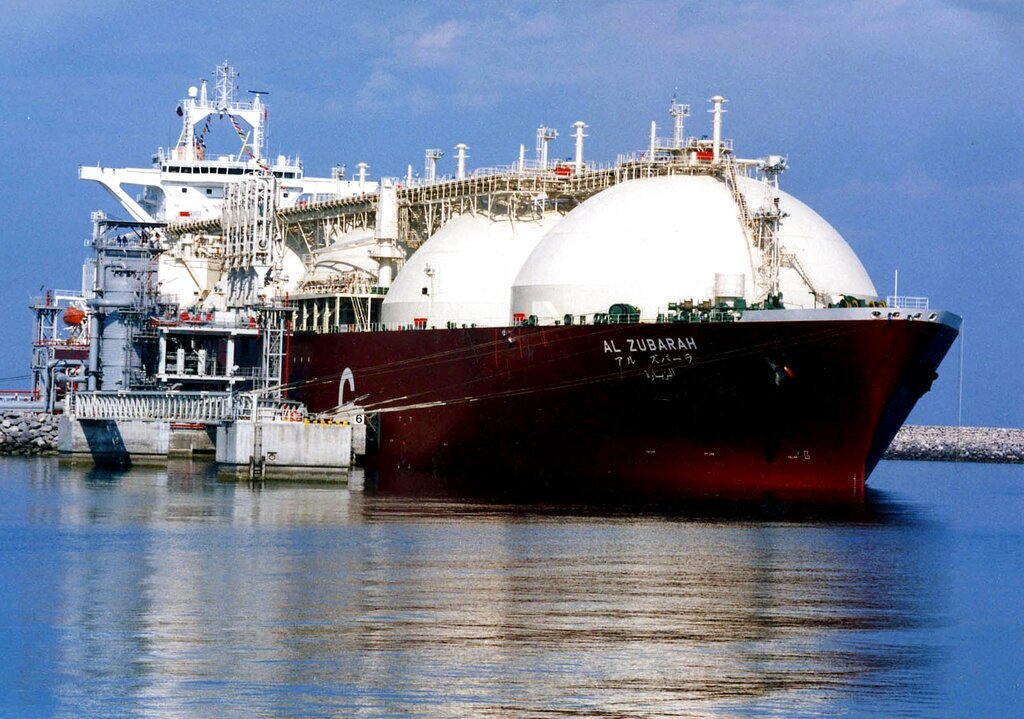
This undated file photo shows a Qatari liquid natural gas (LNG) tanker ship being loaded up with LNG, made up mainly of methane, at Raslaffans Sea Port, northern Qatar. Qatar is home to roughly 2.6 million people, but a tiny fraction of that — around 12% — are Qatari citizens. They enjoy massive wealth and benefits fueled by Qatar's shared control of one of the world's largest reserves of natural gas. (AP Photo, File)
As disruptions in the Strait of Hormuz continue to constrain Qatari LNG exports, Bangladesh has struggled with soaring energy costs and supply shortages, whereas India has turned to alternative suppliers to cushion the shock. Power minister Iqbal Hasan Mahmud revealed that higher LNG prices are slowing Bangladesh’s industrial growth
Bangladesh has historically relied on domestic natural gas, but production has been declining at an average rate of 4.64 percent annually since FY 2018-19 while demand has continued to rise. Limited investment in domestic gas production has therefore pushed Bangladesh towards imported LNG, which now accounts for over 40 percent of the country’s electricity. According to the Institute for Energy Economics and Financial Analysis (IEEFA), imported LNG accounted for 28.8 percent of total gas consumption in 2025, while Bangladesh’s overall primary-energy import dependence rose by 21.7 percent in FY 2023-24 and by another 13.86 percent in FY 2024-25.
Prior to the US-Israeli war with Iran, Bangladesh spent nearly 4 percent of its GDP annually on power and gas subsidies, amounting to a total of 7 million metric tons per year. QatarEnergy, a state-owned-and-operated petroleum and natural gas company, had comprised almost 60 percent of those imports. However, after the joint strikes on Iran on February 28, and the subsequent closure of the Strait of Hormuz, QatarEnergy has halved its scheduled LNG deliveries to Bangladesh for 2026. This has forced the nation to replace contracted gas with spot market purchases. Bangladesh has bought 35 spot cargoes since March, at nearly triple the pre-war rates.
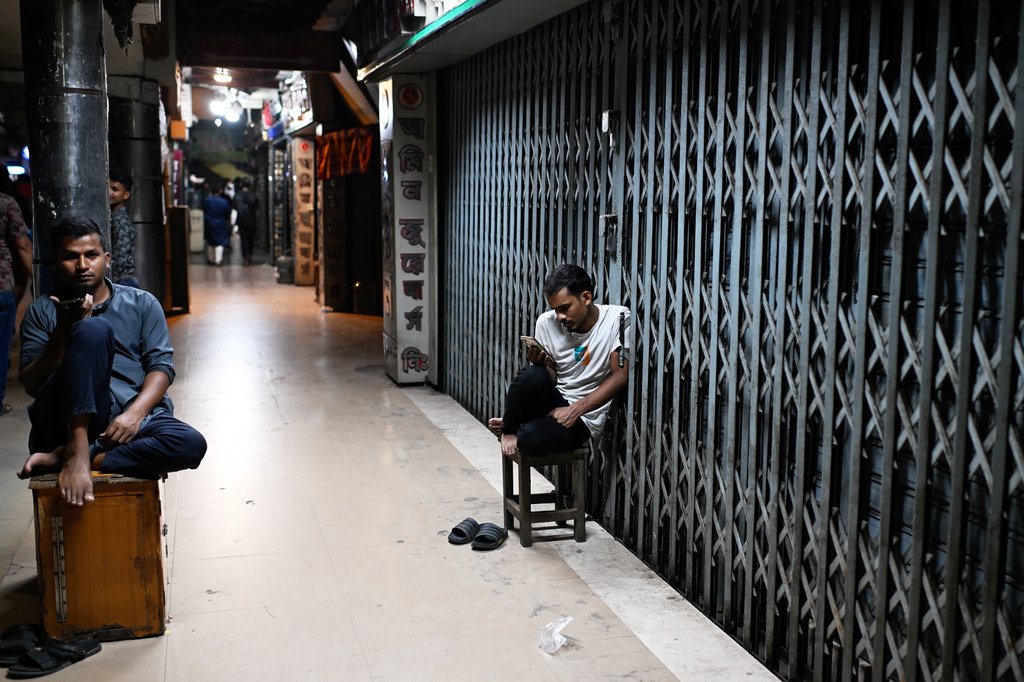
Shopkeepers use their mobile phones after they were asked to shut early as part of the energy-saving measures put in by Bangladesh to handle its energy crisis related to the Iran war, Sunday, April 5, 2026. (AP Photo/Mahmud Hossain Opu)
The rising cost of LNG has placed further pressure on Bangladesh’s already strained energy system. As the government pays more to subsidize increasingly expensive gas imports, less funding is available for Bangladesh's other development programs. Simultaneously, this new inadequate supply has resulted in electricity shortages, power outages, and lower industrial output across the country. Gas pressures in several industrial areas have fallen from 15 PSI to 5 PSI, forcing factories producing garments, food, ceramics, and pharmaceuticals to cut production.
India has faced several similar pressures, but has been better able to offset the loss of Qatari LNG. Like Bangladesh, India relies heavily on energy flows from the Middle East, with the country being dependent on flows inside the Strait for approximately 60 percent of its crude oil and LNG imports and approximately 85 percent of its LPG imports. Following the beginning of the war, India initially restricted gas consumption, leaving energy-intensive industries exposed to many of the same rising costs facing Bangladesh.
However, unlike Bangladesh, India has been able to better respond to these disruptions because of its more diversified LNG supply network. As the world’s fourth-largest LNG consumer, India imported more than 25 million metric tons in 2025, with Indian importers crediting the country’s diversified sourcing with mitigating supply risks during the conflict. As Qatari deliveries declined, companies like GAIL Limited, India’s largest state-owned natural gas processing and distribution company, have turned to alternative suppliers to replace lost cargoes. This venture has allowed India to almost 90 to 95 percent of its gas supply. Conversely, Bangladesh’s heavier reliance on Qatar has left the country at the mercy of rising expensive spot purchases.
While both countries remain vulnerable to prolonged disruptions in the Strait of Hormuz, India’s broader network of suppliers has provided greater flexibility in absorbing the shock. In an effort to build similar resilience, Bangladesh is now seeking alternative LNG supplies from Indonesia, Australia, and China while expanding renewable energy, but its reliance on imported LNG is still expected to continue growing. Without greater diversification, future disruptions to global gas markets could continue to expose the country’s industries to volatile energy prices.