
North America

The Second Space Race is Underway: The US-China Space Race
America is racing back to the Moon on a fraction of Apollo’s budget, while China is rapidly closing the gap. At stake is dominance in space, and potentially on Earth as well.
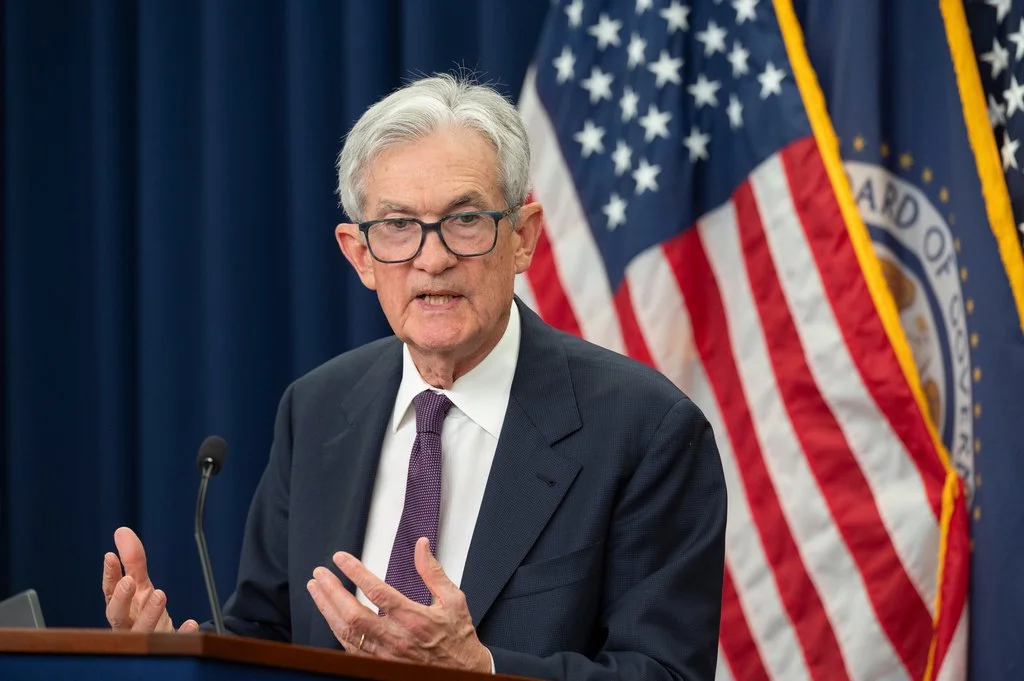
Op-ed: The Fed’s Last Mile Is Becoming a Test of U.S. Economic Power
As inflation remains sticky and oil prices rise amid the Iran war, the Federal Reserve faces pressure to delay rate cuts even as Trump calls for cheaper credit. The Federal Reserve may have slowed inflation, but finishing the job is proving far more difficult—and far more divisive.

“Painted Into a Corner”: The Iran War Made the Farm Crisis Worse
From debt to tariffs to ICE raids, American farmers were already in crisis. The Iran war’s closure of the Strait of Hormuz has only intensified the strain.

Artemis II Crew Makes History in Space
The Artemis II Crew, NASA astronauts Reid Wiseman, Victor Glover, Christina Koch, along with Canadian Space Agency astronaut Jeremy Hansen, made history on Monday, April 6, becoming the first people to travel 252,756 miles from Earth. During a planned 40-minute communications blackout with NASA, they completed their lunar flyby, also becoming the first people to observe certain regions of the far side of the Moon.

NASA’s Artemis II Gives the US-Canada Alliance a Lunar Stage
Artemis II splashed down on Friday, April 11, 2026, concluding a record-breaking mission that brought the Canadian-American alliance to new heights. Serving as Artemis II’s Mission Specialist, astronaut Jeremy Hansen became the first Canadian, and first non-American, to participate in a lunar mission, marking a lighter moment in U.S.-Canadian relations. These ties have been strained under U.S. President Donald Trump amid ongoing trade tensions between the two countries.
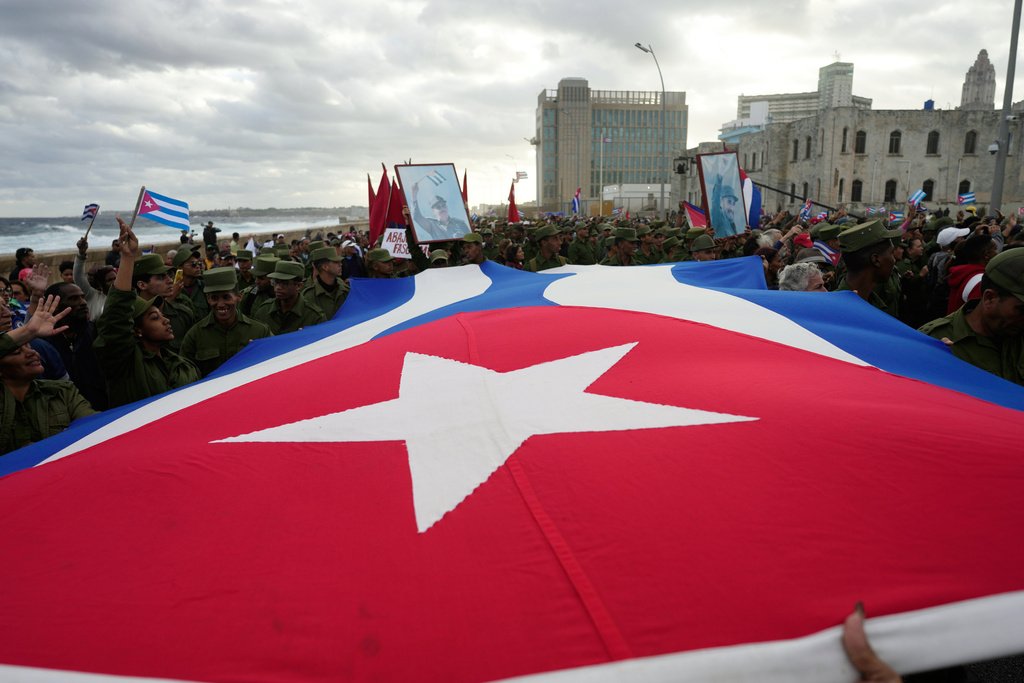
Trump Tightens Pressure on Cuba as Havana Signals Talks and Democrats Urge Restraint
After losing key oil lifelines, Cuba faces a White House pressure campaign that has exposed Washington’s regional reach; Havana has answered with concessions and calls for dialogue, but Democratic pushback and Trump’s Iran standoff have complicated what comes next.
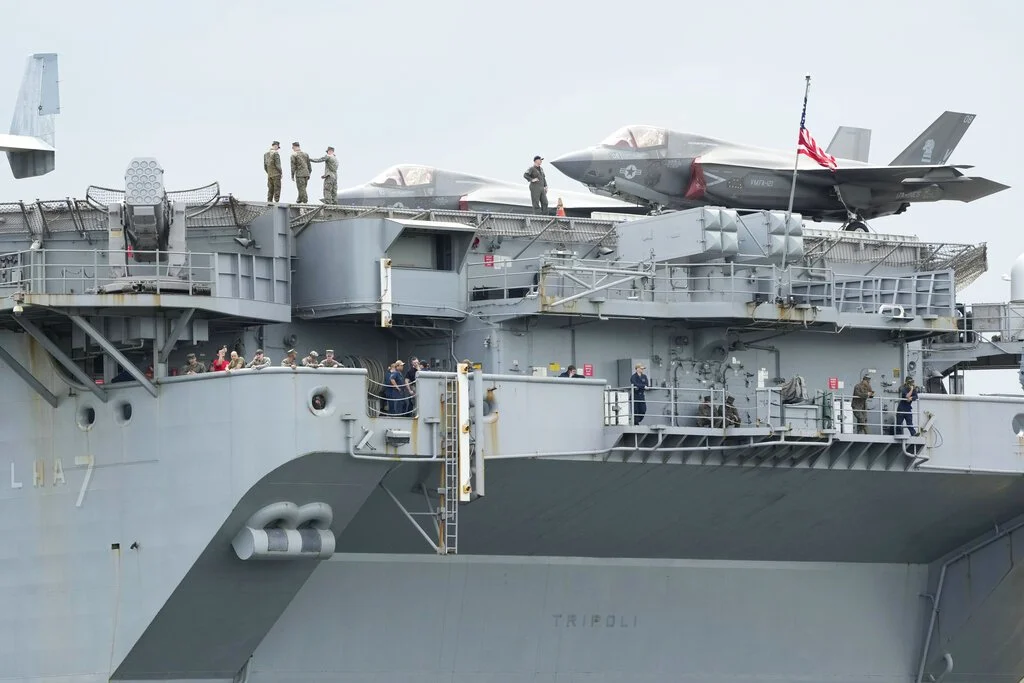
Iranian War Escalates: American Troops in the Mideast Surge to 50,000 Amidst Possible American War Crimes in Force Placement
The war in Iran continues to escalate as two Marine Expeditionary Units, aboard the USS Tripoli and the USS Boxer, sail towards the Middle East. Together, these deployments will add approximately 5,000 troops to a regional buildup that already includes the 82nd Airborne Division and the USS Abraham Lincoln. This growing U.S. presence comes amid mounting questions of U.S. war crimes in the United Arab Emirates, Bahrain, and Kuwait, as Washington struggles with relocating troops against Iranian drone attacks.
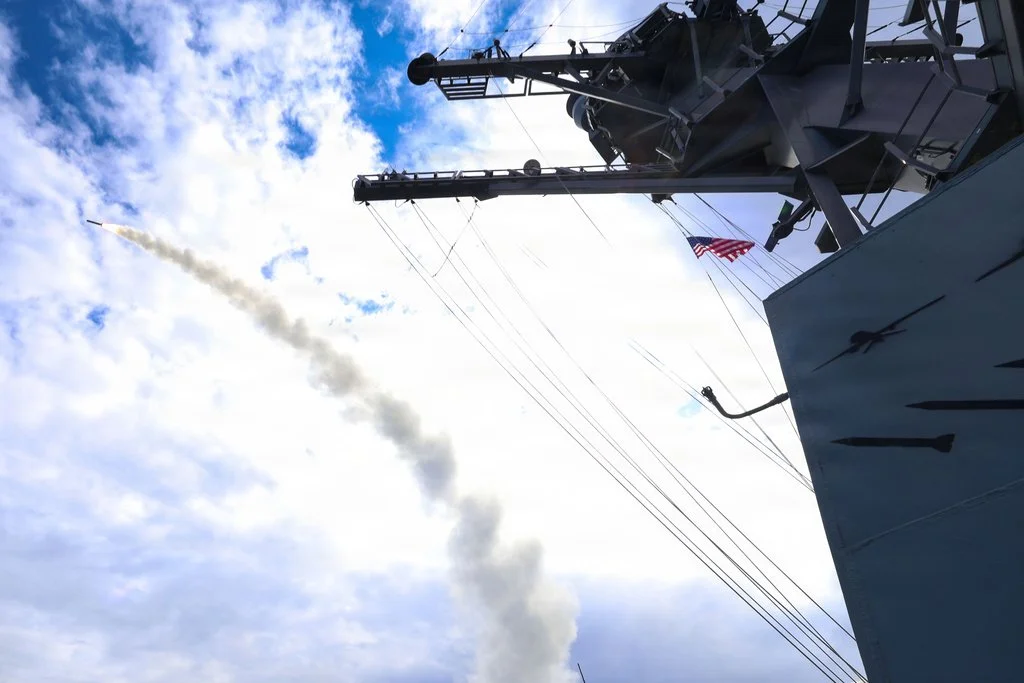
Op-ed: The Next Phase of the Iran War Will Be Decided by Economic Pressure, Not Airstrikes
The administration claims that its strikes have significantly degraded Iran’s military capacity. But as long as Tehran can pressure oil flows and shipping in the Strait of Hormuz, Washington faces a more difficult test: how much economic pain can the United States absorb before it turns toward de-escalation? The central question is not simply how many more sites the United States can hit or how many more commanders Iran can lose. It is whether military pressure can achieve political results without a ground war, or whether the economic blowback to the United States will force Washington toward a deal first.

Why do Some Multinational Athletes Choose to Represent One Country Over the Other
Chinese-American freestyle skier Eileen Gu’s decision to represent China instead of the U.S. was met with significant backlash, though she is only one of many athletes who chose to represent another nation in past Olympics.

The Pentagon Wants to Shut Anthropic Down for Being a “RADICAL LEFT WOKE COMPANY”
After Anthropic refused to remove safety guardrails from its AI systems, the Pentagon labeled the company a “supply-chain risk,” which is setting off a legal battle that could shape how AI is used in national security.
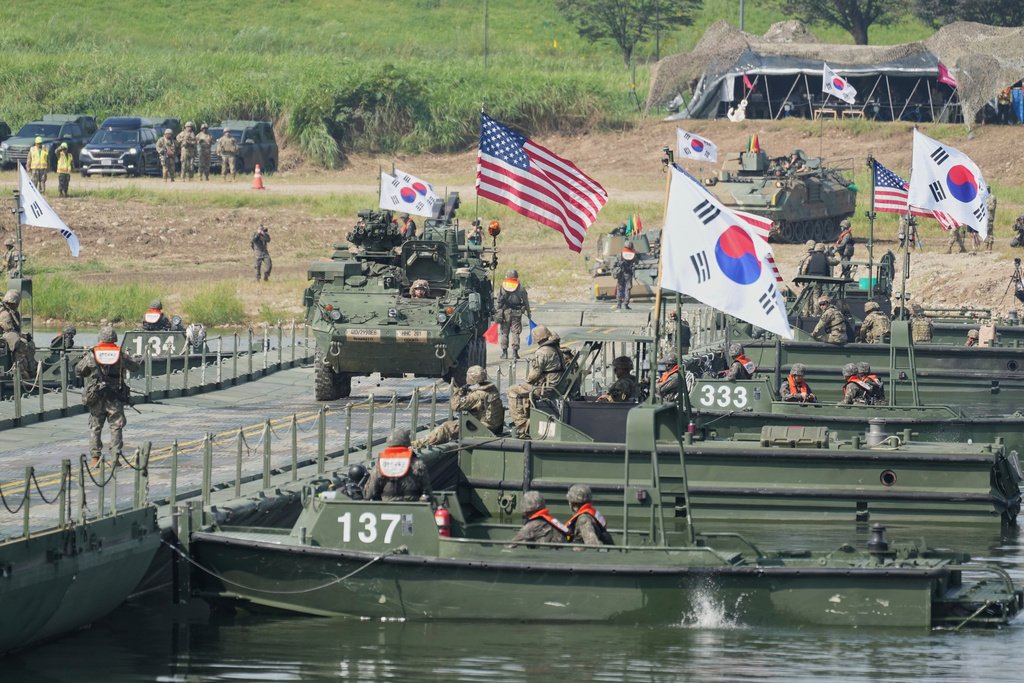
Freedom Shield 26 Kicks Off Amid Growing Ally Unease Towards US Capability for Two-Theater Conflict in Iran and China
As the US and South Korea’s Freedom Shield 26 exercise is underway, speculation and unease are mounting over whether the conflict with Iran could distract from the US military’s force posture in the region.

U.S. Men’s Hockey Team Win Highlights Internal Divisions
The US Men’s Hockey Team’s post-win celebration in the locker room sparks political controversy on a global stage.

Op-Ed: What the U.S.-Brokered Ceasefire in Lebanon Could Mean for Gaza
On Nov. 26, 2024, Israel and the Lebanese group Hezbollah agreed to a ceasefire between the two nations.

How Elon Musk’s Unconventional Role Could Shape the Trump Administration’s Approach to Iran
As the United States prepares for another Trump administration to assume power in 2024, the nation faces significant political shifts.

COP29 Climate Summit Funding Deal Falls Short of Meeting Developing Nations’ Needs to Combat Climate Change
On Sunday, Nov. 24, 2024, the 29th United Nations Climate Change Conference (COP29) in Baku, Azerbaijan, reached an agreement to fund developing nations’ efforts to adopt clean energy and combat climate change through 2035.

Jamaica’s Crippled Tourism Industry Further Weakened by Worker Protests
Numerous protests have erupted in Jamaica’s tourism sector over complaints of underpayment, long hours, withheld tips, and a lack of job security.

Damage Control: How the US Seeks to Reassure Allies After the Presidential Election
In a time of uncertainty, the Biden administration is working to reassure allies across the globe that their relationships have the potential to remain strong.

The Global Implications of the 2024 US Election
As the United States’ 2024 election cycle ends, the international community braces for its potential outcomes. The implications extend beyond domestic policy, potentially shaping the resolution of conflicts involving Russia and Ukraine, Israel and Palestine, and Taiwan and China.

The Growing Crisis in Haiti
As Haiti’s situation deteriorates, the Federal Aviation Administration has introduced new restrictions on US flights to the nation’s capital, Port-au-Prince.