
Trump Tightens Pressure on Cuba as Havana Signals Talks and Democrats Urge Restraint
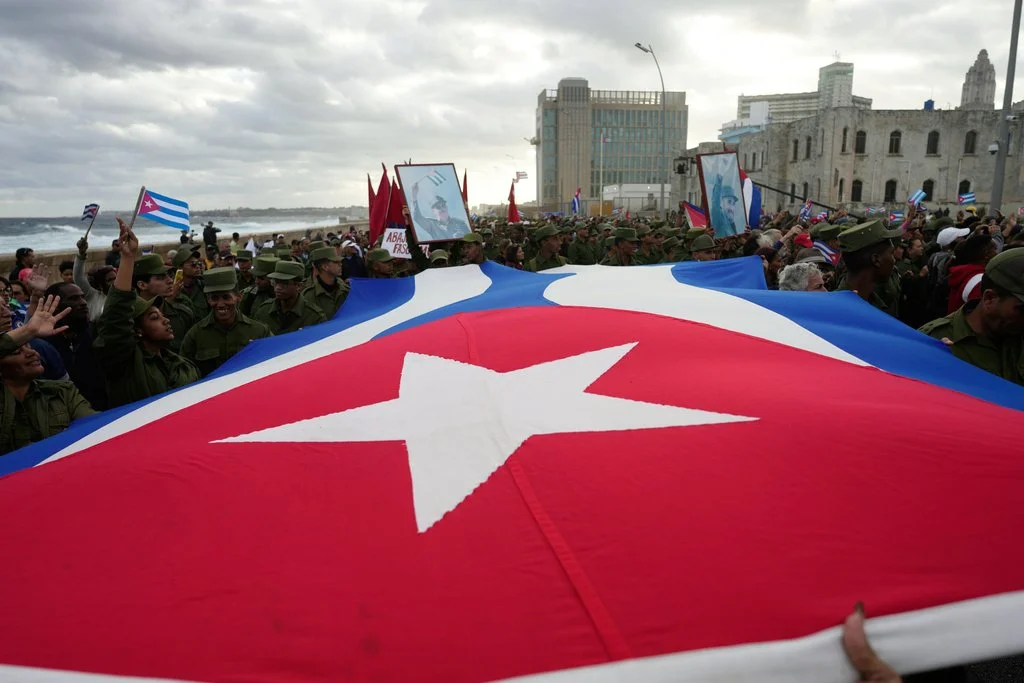
People carry a Cuban flag during a government-organized rally protesting the killing of Cuban officers in Venezuela while U.S. forces captured Venezuelan President Nicolas Maduro and his wife, in Havana, Cuba, Friday, Jan. 16, 2026. (AP Photo/Ramon Espinosa)
The Trump administration has intensified pressure on Cuba through an oil squeeze and tariff threats as blackouts and shortages continue. Cuba has responded with prisoner releases and a renewed willingness to negotiate, but the story is no longer a simple contest of pressure. It is now a test of whether Washington can translate regional leverage into political movement, and whether Havana can trade limited concessions for relief without compromising its sovereignty.
The shift began with a regional shock. In January, the US captured Venezuelan President Nicolás Maduro in Operation Absolute Resolve, removing Cuba’s most important political and energy patron. Reuters reported that Venezuela’s last oil shipment to Cuba came in December 2025, and Mexico’s last shipment arrived about a week after Maduro’s capture. A Russian tanker reached Cuba only at the end of March, and even that delivery was expected to last just 7 to 10 days under rationing. This loss of outside support is significant as Cuba depends heavily on imported oil. Reuters reported that petroleum accounts for 87% of the island’s total energy use. As supplies dwindled, blackouts stretched beyond 16 hours a day in some areas, water systems faltered, and public frustration spilled into rare protests. The energy crisis now shapes daily life across Cuba.
On January 29, Trump signed an executive order declaring a national emergency with respect to Cuba and authorizing tariffs on goods from countries that “directly or indirectly” supply oil to the Cuban government. The order provided the White House with a new tool to expand economic pressure while signaling that the administration views Cuba as an active strategic target close to home.
Faced with mounting pressure, Havana began to respond. President Miguel Díaz-Canel said in March that talks with Washington were underway and framed them as an effort to find solutions through dialogue. Cuba also opened the door to limited gestures that US lawmakers later described as goodwill measures, including allowing the FBI to investigate a deadly armed incursion by Cuban exiles. The most visible concession came this month, when Cuba announced it would release 2,010 prisoners. State media called the move a “humanitarian and sovereign gesture,” and was one of the island’s largest prisoner releases in years.
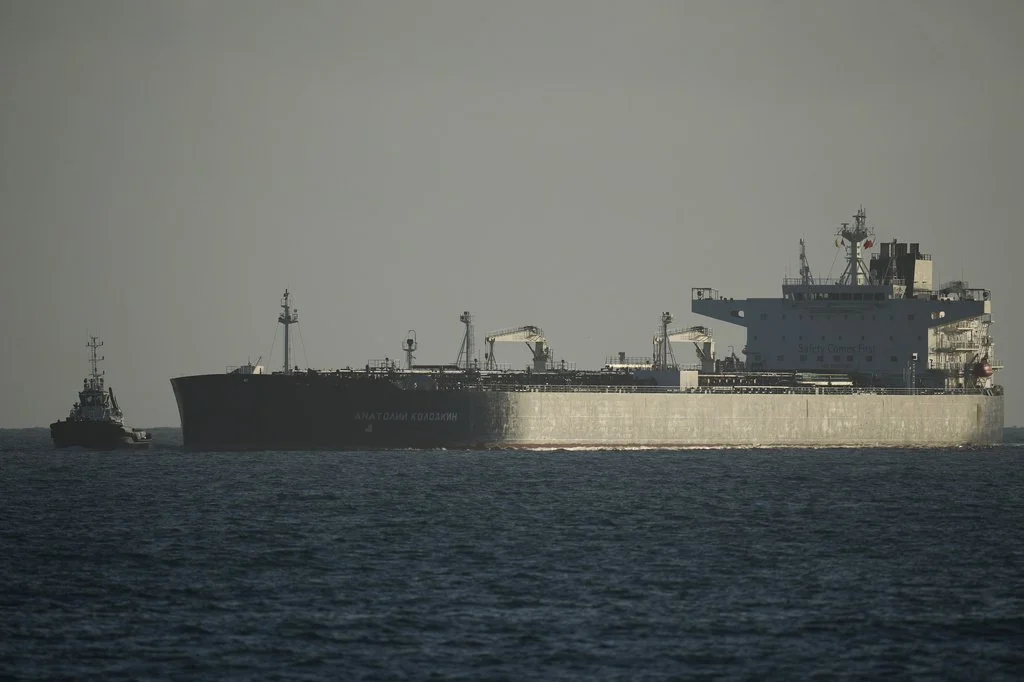
Russian-flagged oil tanker Anatoly Kolodkin arrives in Matanzas, Cuba, Tuesday, March 31, 2026. (AP Photo/Ramon Espinosa)
Cuba has simultaneously reaffirmed its red lines. In an NBCinterview reported on April 9, Díaz-Canel stated that Havana is willing to talk to the United States, but not under conditions that require changes to Cuba’s political system. This position reflects the balance Havana is trying to strike: flexible enough to seek relief, but resistant to any settlement that could resemble regime change.
The pressure campaign is also facing resistance in the United States. After afive-day visit to Havana, Democratic Reps. Pramila Jayapal and Jonathan Jackson urged the White House to “bring the rhetoric down” and argued that the energy blockade was hurting ordinary Cubans while raising the risk of a wider crisis. Their intervention shifted the narrative from a bilateral confrontation to a domestic political debate over whether Trump’s Cuba strategy represents effective leverage or costly overreach.
Iran has further complicated the situation. After Washington accepted atwo-week ceasefire, Tehran made clear that it desiresmore than a temporary pause: it wants guarantees against renewed attacks, compensation for damage, and a broader settlement on acceptable terms. In this context, the White House’s portrayal of Operation Epic Fury appears less like a decisive endgame and more like a temporary pause before more difficult negotiations.
For now, the larger picture is clear. The US’ threat is credible because it is backed by tangible capacity and not rhetoric alone. Cuba lies only miles from the United States, while external partners such as Russia and China can offer diplomatic backing but little immediate relief for the island’s crisis. In that sense, Washington’s power projection in its own hemisphere remains effective. While this does not guarantee a quick settlement, it does suggest that the United States and Cuba are more likely to move toward an agreement, or at least toward meaningful change than toward a prolonged stalemate.