
Middle East & North Africa
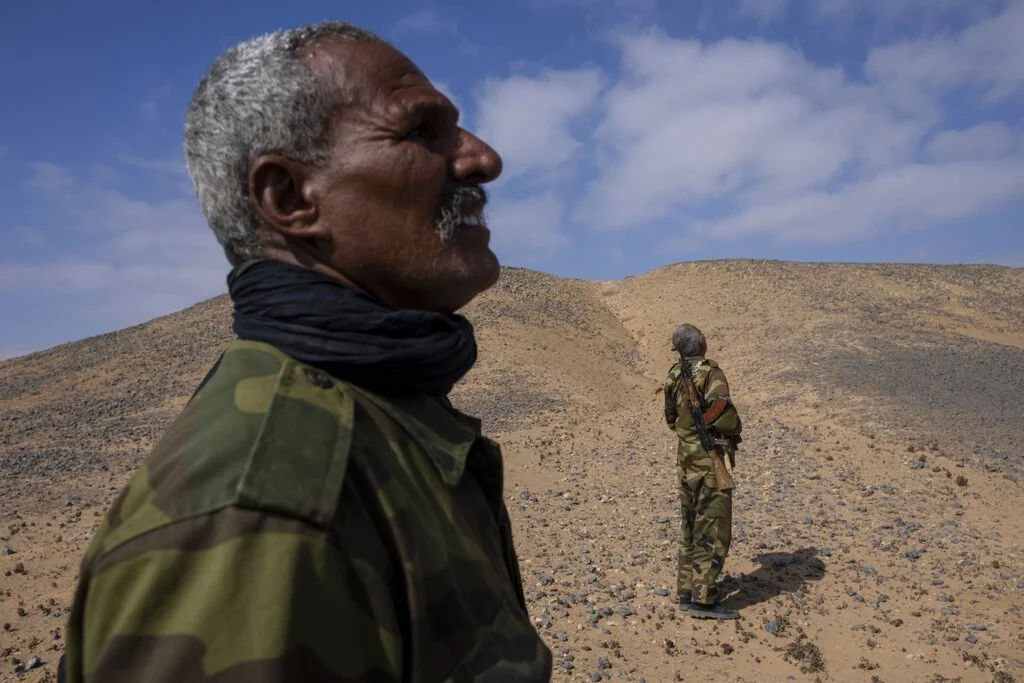
Western Sahara Mission Returns to United Nations Security Council Vote
The renewal of the Mission for the Referendum in Western Sahara (MINURSO) will be voted on Oct. 31. The decision will likely either preserve the current goals or reshape how the United Nations recognizes Western Sahara and the Polisario Front.
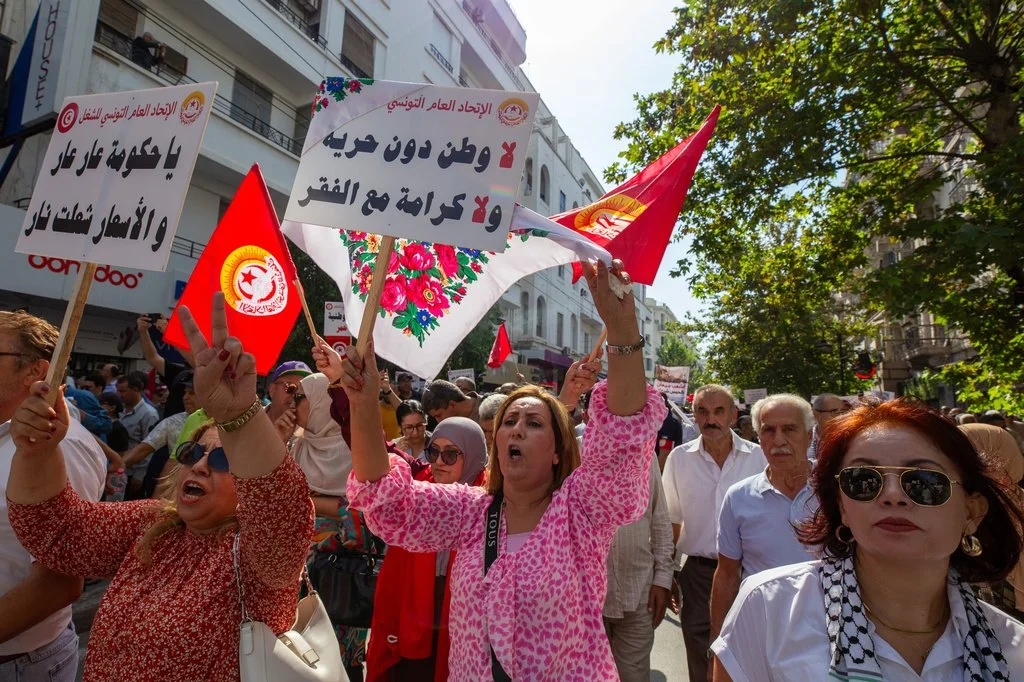
Amidst Political Polarization, Tunisians Protest in a Show of Unity Against President Kais Saied’s Policies
Thousands of Tunisians took to the streets to protest President Kais Saied’s economic mismanagement and democratic backsliding.
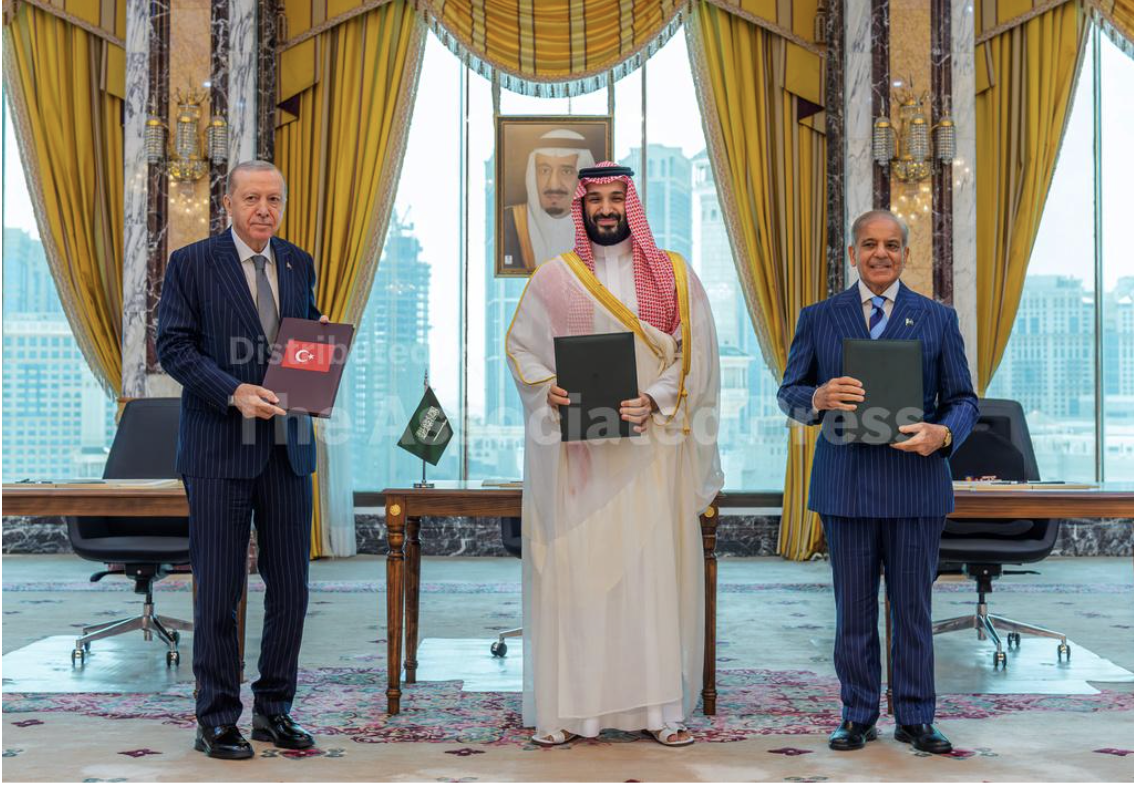
Saudi Arabia’s New Defense Pact Tests the Future of Gulf Security
As concerns grow around the reliability of US security, Saudi Arabia’s new defence pact, the Mecca Agreement, with Turkey and Pakistan comes at one of the most volatile times in the region. But since being enacted for the first time, uncertainty over commitments raises questions about how powerful and aligned this coalition will truly be.
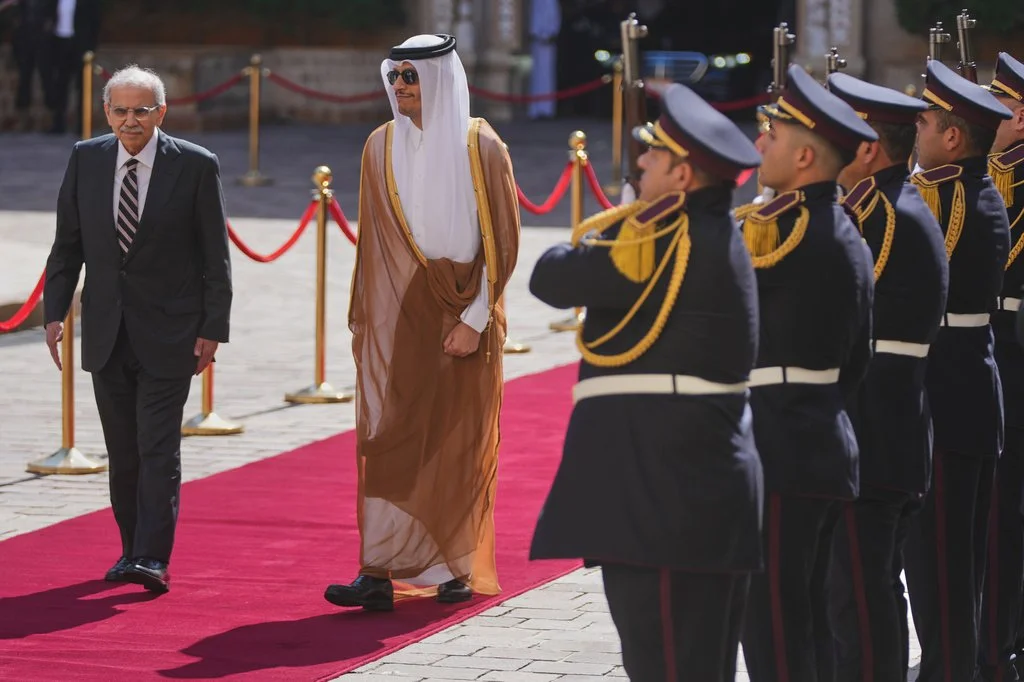
Qatar Offers to Keep Lebanon's Lights On
Doha’s offer to build and fuel two Lebanese power plants is among its biggest bets on a country it has helped rebuild and bankroll for two decades, but the remaining guarantees that would make it work have to come from Beirut.

Gold is Exporting Sudan’s Civil War
Airstrikes in a contested border region between Egypt and Sudan highlight the role of gold in financing Sudan’s civil war.

Op-Ed: Israel’s Election: Choice and Change
Three years after Oct. 7, Israelis weigh Netanyahu's security-first politics against the call for accountability.

United States Releases $320 Million in Military Aid to Egypt Despite Human Rights Concerns
Egypt's long-standing diplomatic role in Middle Eastern conflicts is once again shaping how the United States weighs the importance of human rights against national security when it comes to military aid.

Pipeline Security: Evaluating Saudi Arabia’s Infrastructure Bypasses
As drone attacks and Red Sea conflict expose physical risks to the East-West Pipeline, energy analysts question whether multi-billion-dollar overland routes offer genuine market protection or simply create static targets.

A Fuel Hike Exposes Cracks in Syria’s New Government
A 40 percent hike in diesel prices sparked Syria’s broadest economic protests since Ahmed al-Sharaa took power, revealing economic strain across the nation.

Op-Ed: Red Sea Disruption Turns Shipping Route Into Supply Chain Shock
Attacks on commercial shipping in the Red Sea forced companies to reroute vessels around southern Africa, driving up costs, delaying deliveries and reshaping who gains from one of the world's most important trade corridors. Two years on, traffic is returning, but the vulnerabilities the crisis exposed have not gone away.

Op-Ed: The World Economy Withers as The Strait of Hormuz Standoff Continues
Though a temporary ceasefire was reached between the US and Iran on April 8, 2026, the situation in the Persian Gulf remains tense as both the US and Iran imposed blockades on the strait, prolonging the suffering of the global economy.

Op-Ed: Kurdish Uprising in Iran: A Struggle for Freedom or a Risky Gamble?
The 2026 War in Iran draws attention to the country’s ethnic Kurdish minority and their struggle for self-rule. Yet, is a foreign supported insurgency the final struggle or the beginning of further chaos?

The Fracture of the Saudi-UAE Alliance in Yemen
The dissolution of the Southern Transitional Council marks a historic rupture between the two Gulf States, and leaves the Iran-backed Houthis in their strongest position since 2014.

Op-Ed: When Strategy Trumps Strength: The Effects of Unrestrained Aggression in US Foreign Policy
Iran does not have to win, it merely has to survive. While the U.S. and Israel initiated the war with Iran anticipating a quick victory, Tehran has demonstrated that, despite its weakened odds, its ability to strategize over the long-term is more important than mere strength and capabilities. The U.S. is on a path to setting a dangerous precedent, one where blatantly aggressive foreign policy will result in the abandonment of the U.S. as a reliable global partner.

China Expands Economic and Diplomatic Role in the Middle East
China has increased its presence through investment, energy ties and diplomacy, raising questions about how its role compares to the United States’ longstanding security influence in the region.

Lebanon Confronts Hezbollah as War With Israel Escalates
With the Middle East in crisis, the unstable relationship between the Lebanese state and Hezbollah is exposed, as Hezbollah’s war with Israel raises questions in Beirut.

Gulf Sovereign Wealth Funds Buy Into Egypt as Debt Crisis Deepens
Billions in Gulf investment help stabilize Egypt’s economy, but growing ownership of strategic assets raises questions about political leverage in the Middle East.

Op-Ed: The Iran War and Its Implications On the Gulf Countries
The US-Israel-Iran war of 2026 saw Iranian forces repeatedly strike targets in the Gulf countries, even though they did not participate in offensive actions on Iran.

Sudan’s Silent Genocide: El Fasher’s Fall and the World’s Muted Response
On October 26, 2025, the paramilitary Rapid Support Forces (RSF) captured El Fasher, the Sudanese Armed Forces' (SAF) final major stronghold in the western Darfur region. The fighting has devastated the country since 2023: displacing more than 14 million people, killing more than 40,000, and pushing more than 24.6 million people to the brink of famine.

Op-Ed: Why does the US continue Aiding Israel Amid Human Rights Violations?
Upon receiving her presidential nomination at the Democratic National Convention, Vice President Kamala Harris said she and President Joe Biden were working “around the clock” to negotiate a ceasefire deal between Hamas and Israel. Harris has since made dozens of statements claiming that the administration has been “dedicate[d] to ending this war and bringing the hostages home.”
These statements are misleading.