
Applications Open. Click Here to Join.
Applications Open. Click Here to Join.
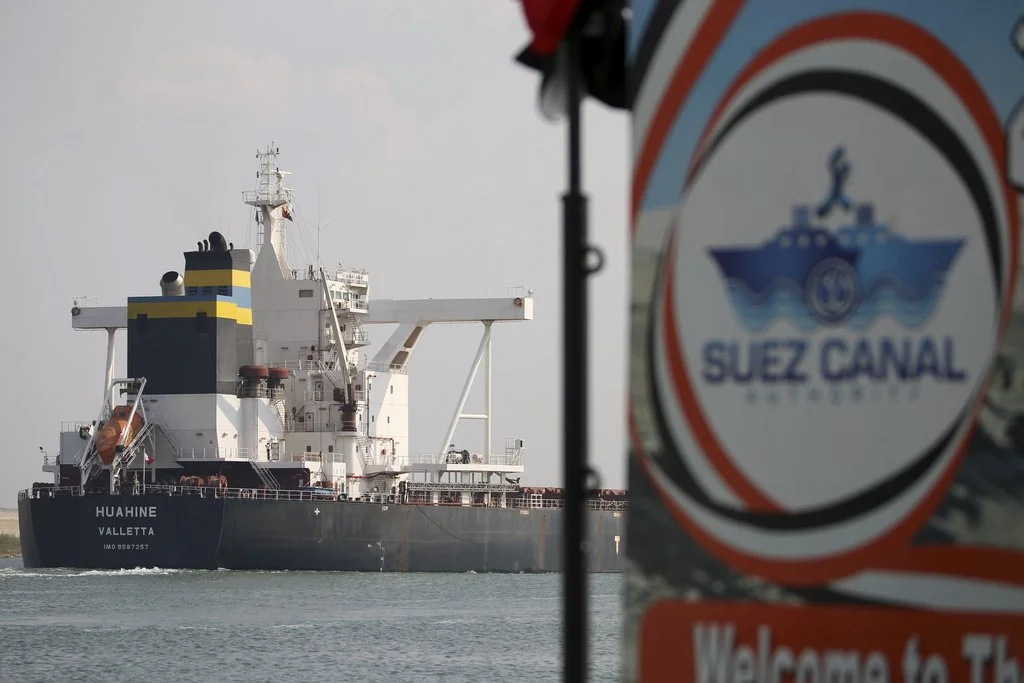
Attacks on commercial shipping in the Red Sea forced companies to reroute vessels around southern Africa, driving up costs, delaying deliveries and reshaping who gains from one of the world's most important trade corridors. Two years on, traffic is returning, but the vulnerabilities the crisis exposed have not gone away.
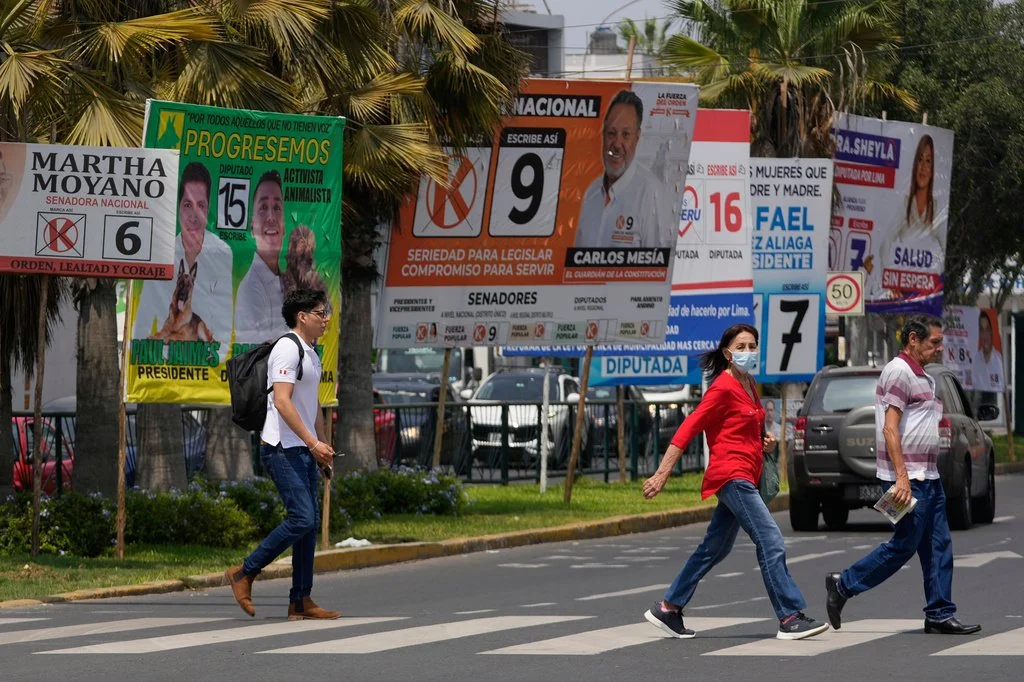
As Peru approaches new presidential elections, a cycle of political upheaval has normalized instability, raising urgent questions about whether democracy can function when crisis becomes routine.
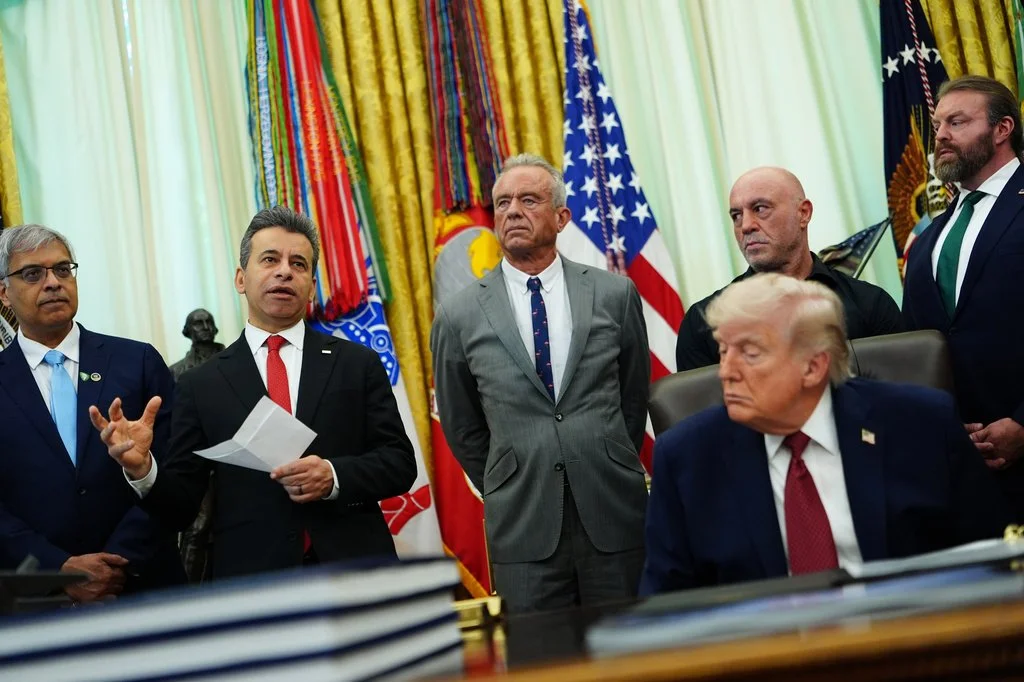
Trump Administration efforts to erase the independence of federal agencies, and roll back research, continue in the firing of all 22 National Science Foundation board members
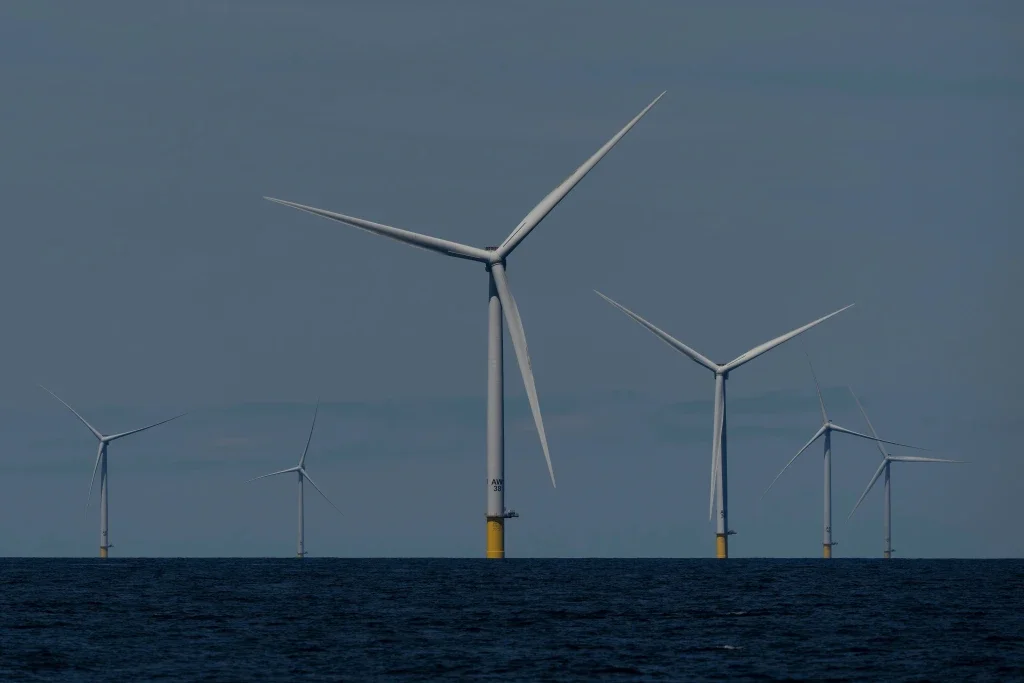
A federal judge halts the Trump Administration's attempts at restricting renewable energy projects across the country.
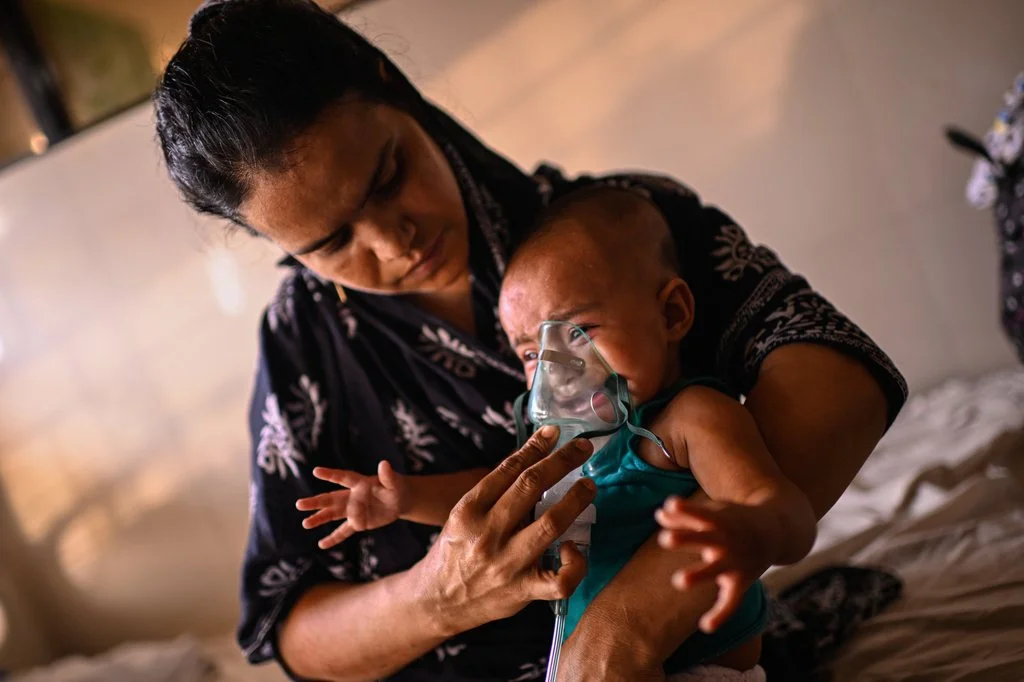
Since mid-March Bangladesh has faced an escalating measles outbreak, with suspected cases climbing into the tens of thousands in recent weeks, revealing underlying accumulated gaps in this seemingly robust vaccine framework, and emphasizing the need to identify the origin of these vulnerabilities and address them.
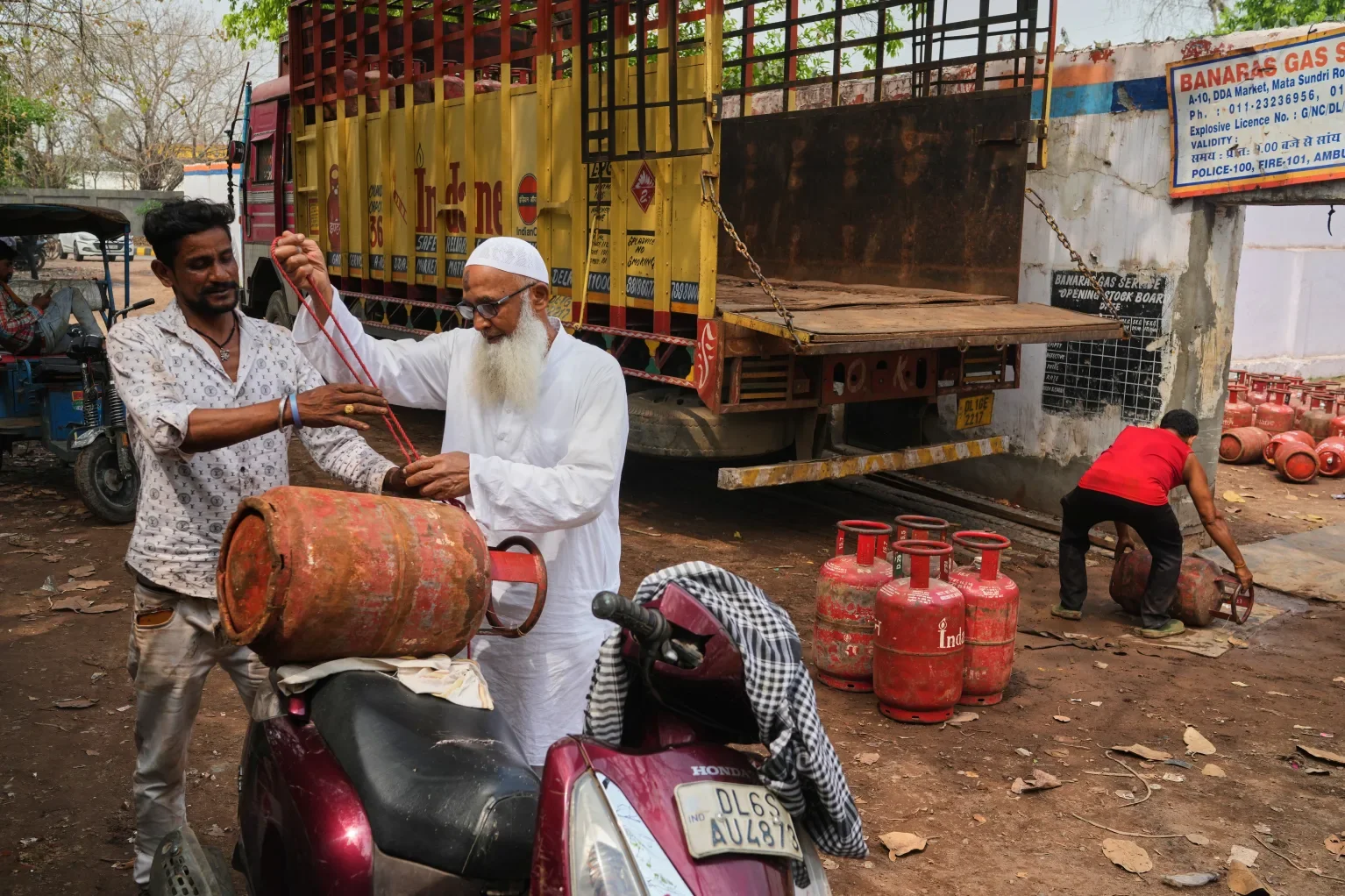
As the Middle East conflict drives up energy costs and empties kitchen cylinders, India’s migrant factory workers are either taking to the streets or heading home, and manufacturers are bracing for both.
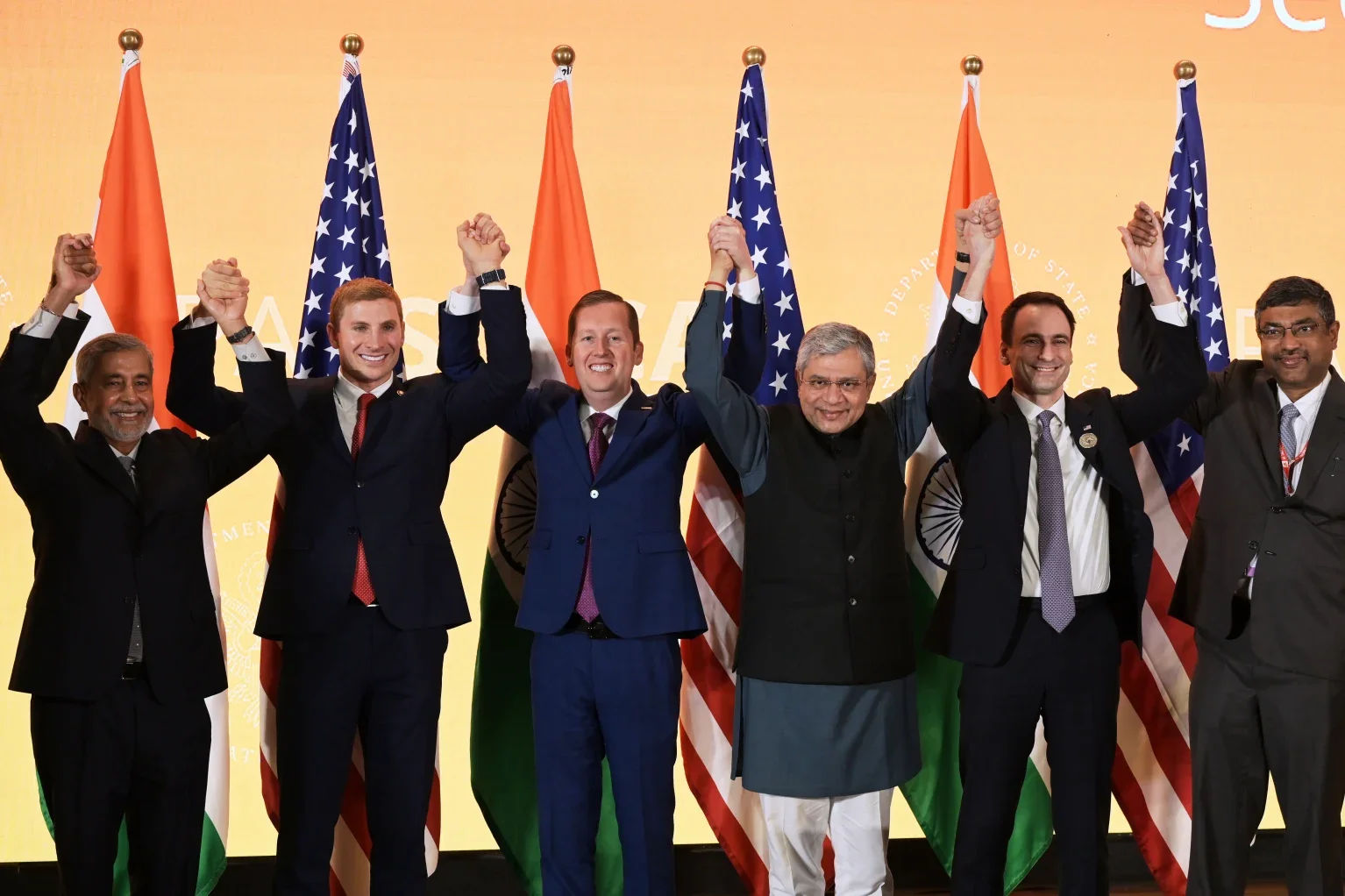
Despite increasing strategic alignment in AI and defense, U.S exports lead, and India’s aim for complete independence is to restrict the development of their technology partnership and ongoing related negotiations.
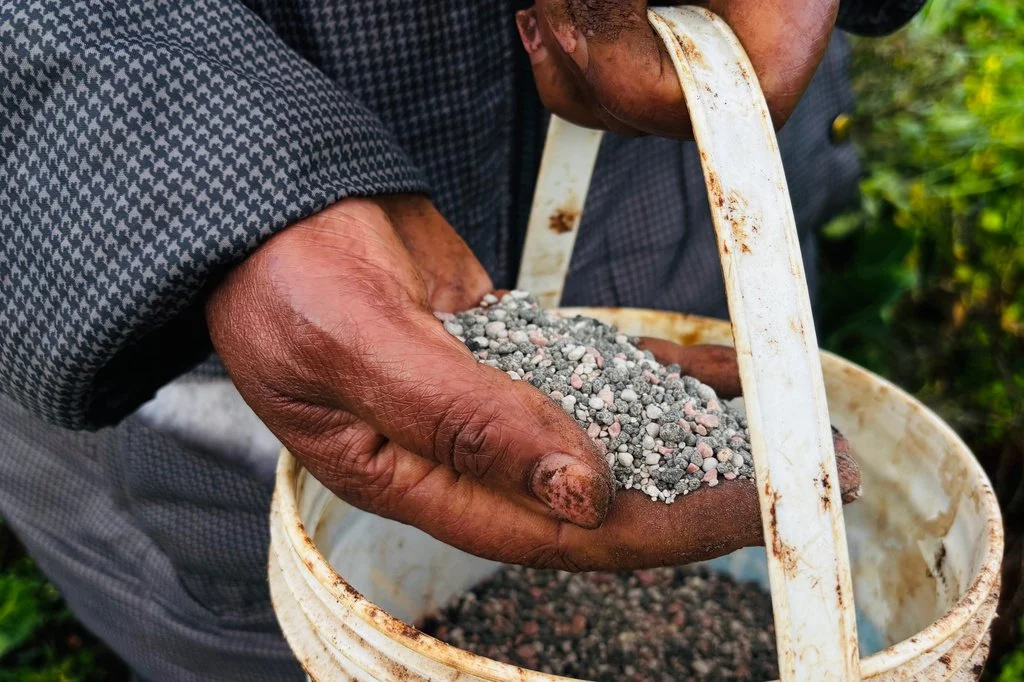
In the wake of Iran’s closure of the Strait of Hormuz, international attention has mainly been focused on oil shipment disruptions, with nations turning to pipelines and reserves for relief. Less noticed is the constraint on fertilizer shipments- a critical agricultural input with no strategic reserves- leaving India facing uncertainty regarding over nearly 40% of this key supply, needed to ensure crop yields which are central to its domestic consumption and economic activity, especially during its upcoming June Kharif planting season.
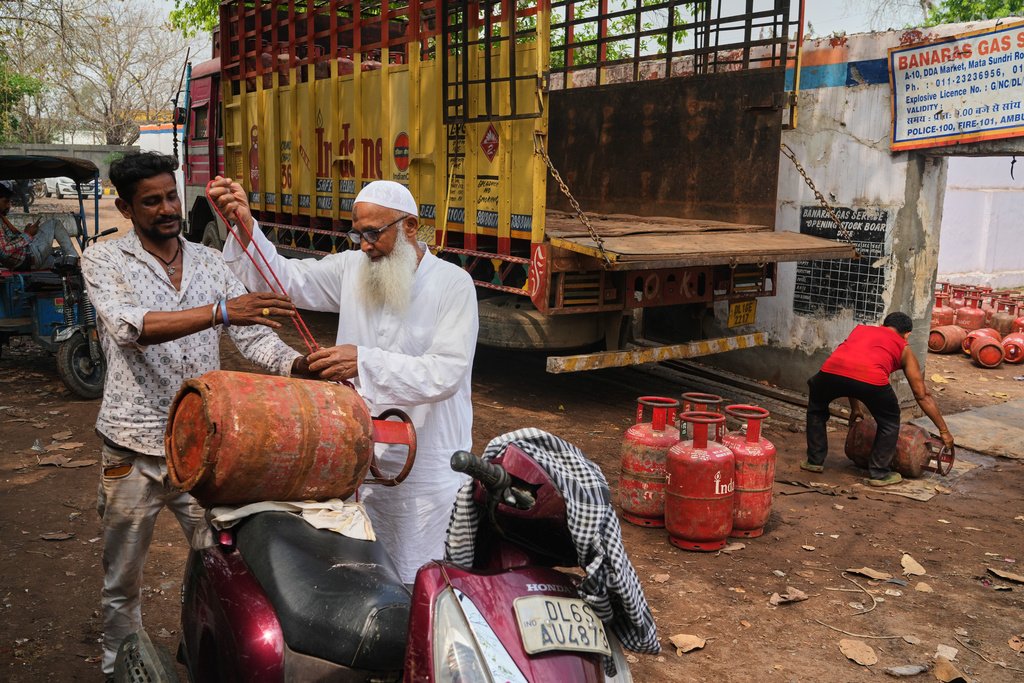
India secured 60 days of crude oil supply and slashed fuel duties on Thursday as the near-closure of the Strait of Hormuz sent the rupee to a record low. The Indian government was forced to invoke emergency commodity laws, an unmistakable sign that a conflict thousands of miles away is landing hard on one of Asia's largest economies.
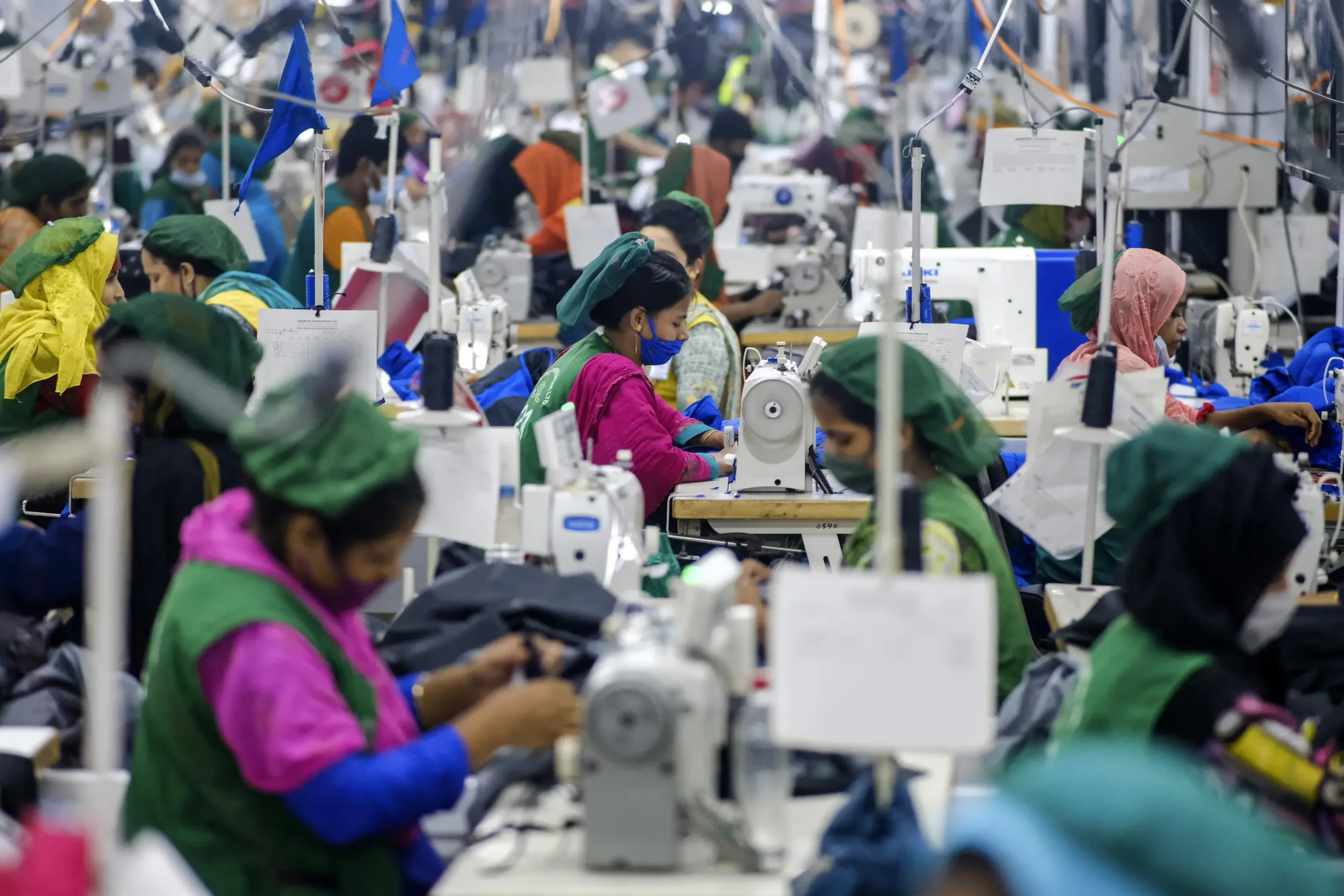
As the Middle East conflict grounds cargo flights and spikes energy costs, South Asia's booming growth numbers are beginning to show the cracks beneath.
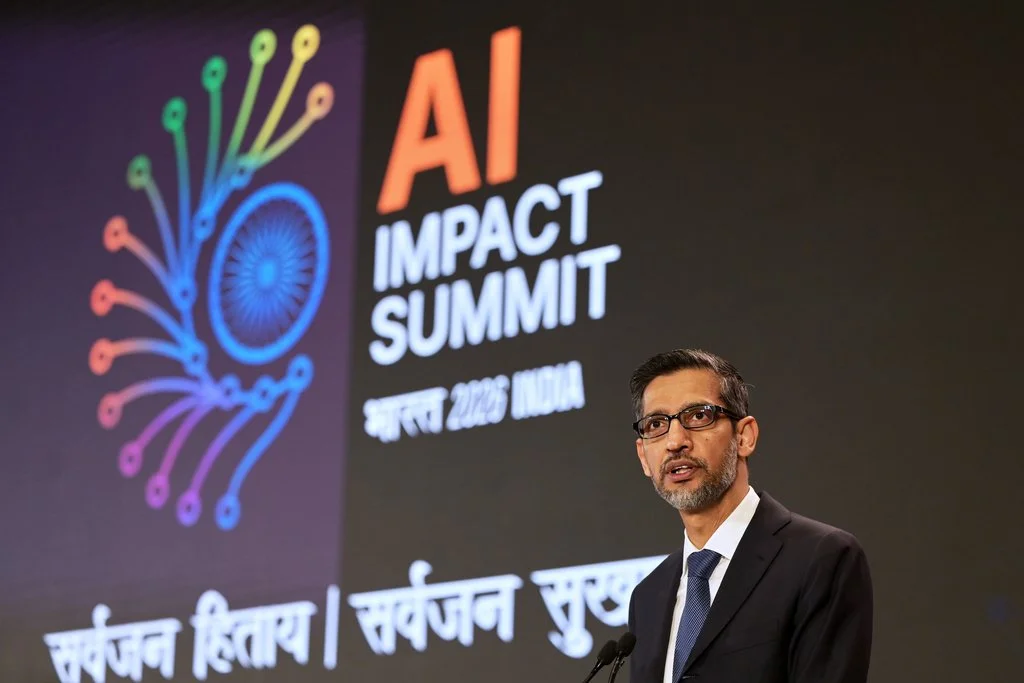
India outlined an ambitious economic growth plan focused on AI expansion at its February Impact Summit, aiming to shift its largely low-skill workforce towards higher-skill sectors, with support from tech companies, and foreign investors. However, climate experts warn that this plan for a rapid AI-centered expansion could worsen the country’s already severe environmental crisis.
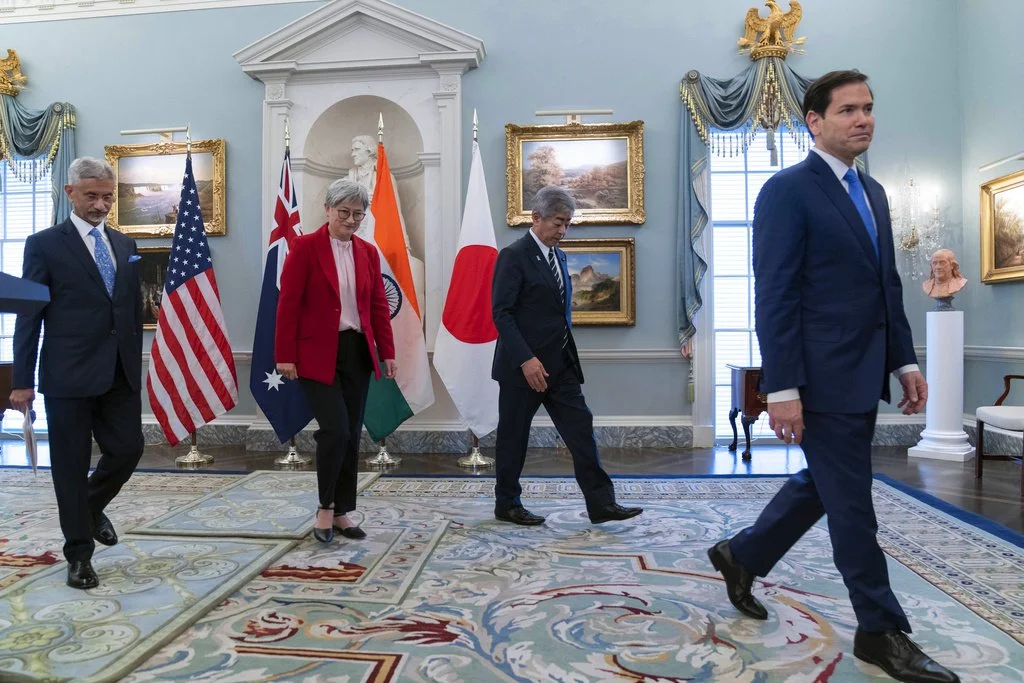
Increasing tensions along the Line of Actual Control are pushing India to strengthen partnerships and broaden its strategic role as a stabilizing power in the Indo-Pacific region.
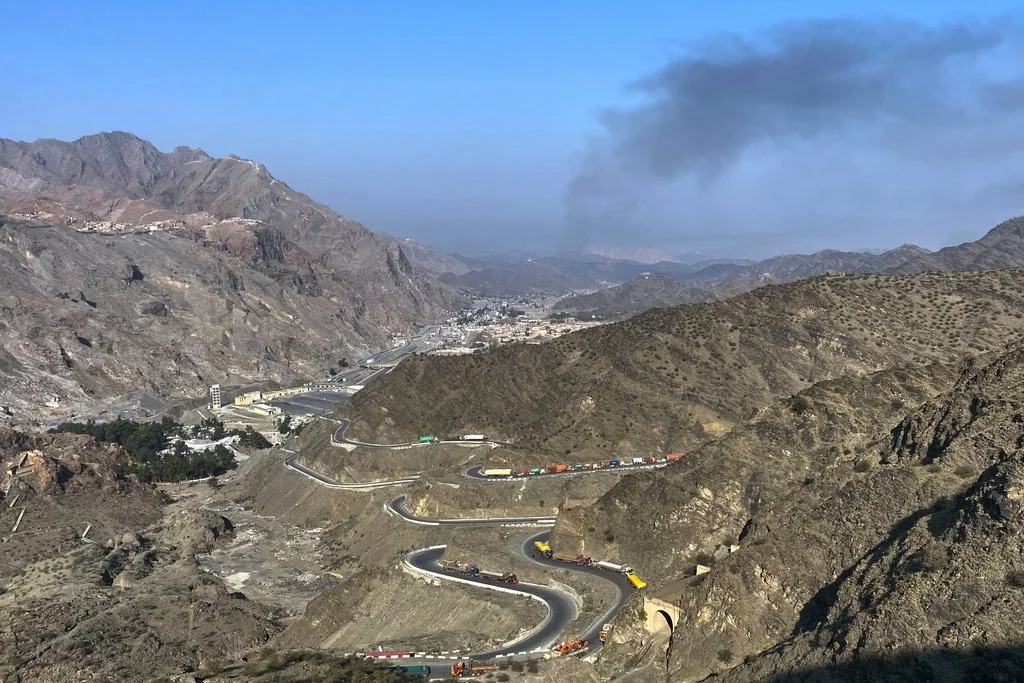
Renewed cross-border strikes between Pakistan and Afghanistan since Feb. 21 have intensified tensions along the Durand Line. Civilians living near the border now face displacement, economic disruption and mounting humanitarian risks.
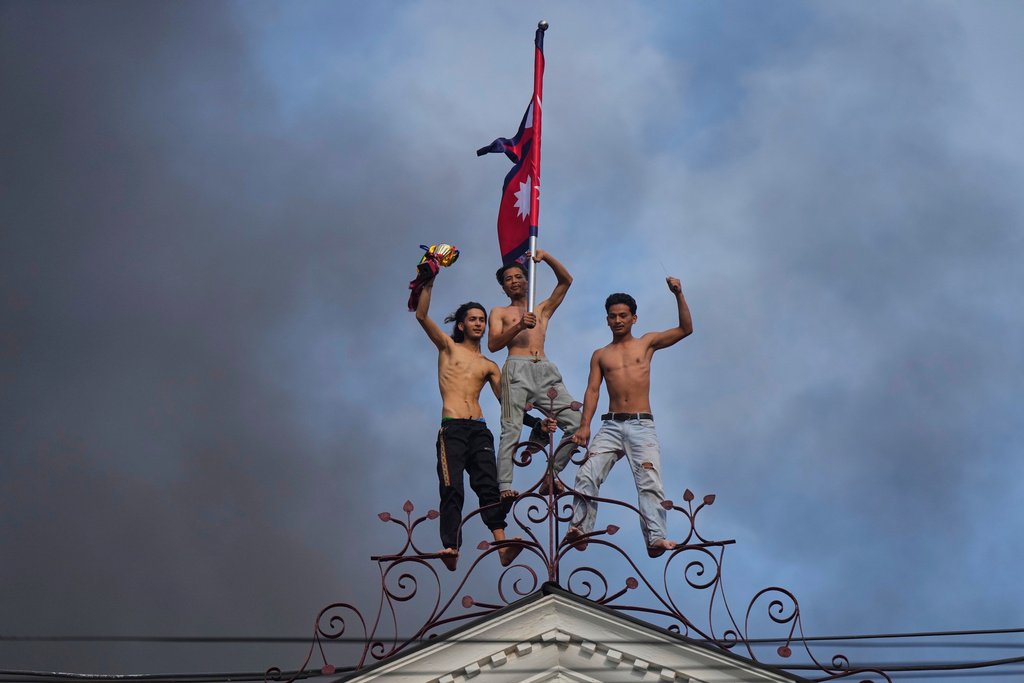
After youth-led protests toppled Nepal’s government in 2025, the country’s March 2026 elections may show whether South Asia’s Gen-Z movements can change street power into lasting political change.
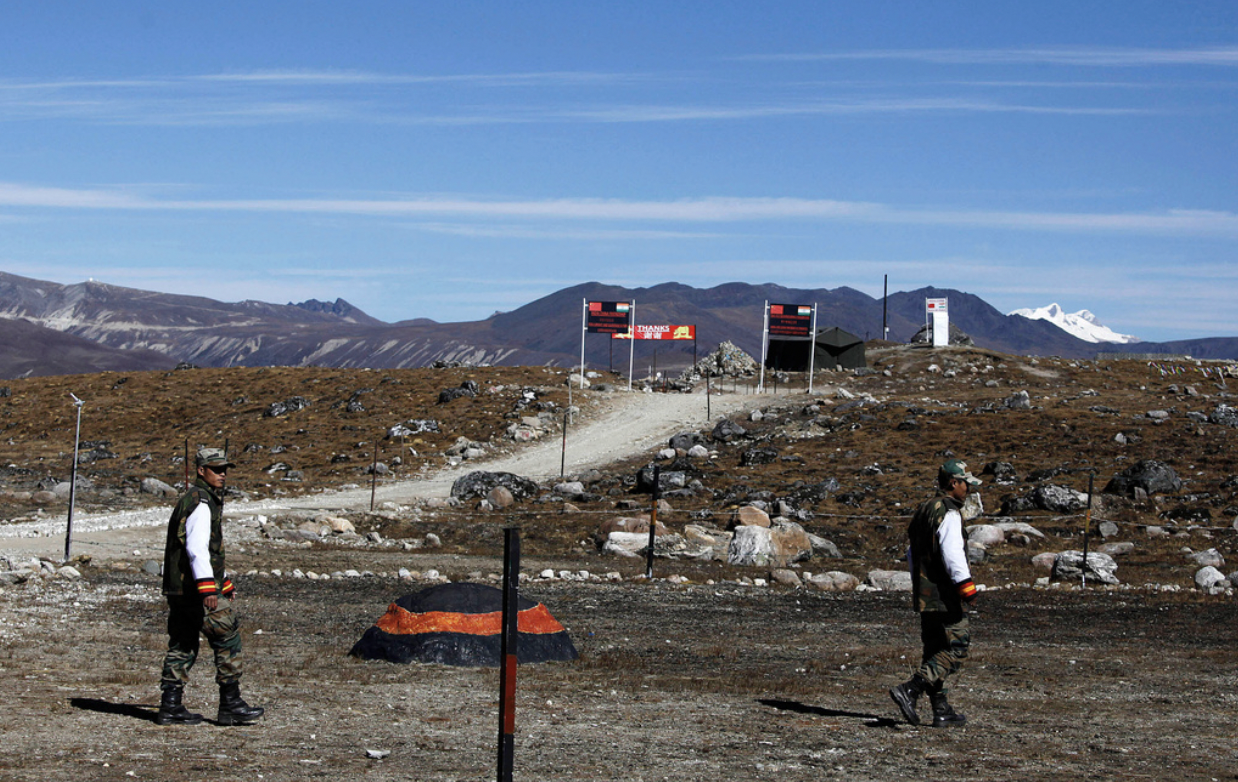
India’s border dispute with China illustrates how New Delhi prioritizes security and sovereignty over economic competition, particularly before the Galwan Valley clash. As further tensions arise, India’s foreign policy stabilizes diplomacy and defence.
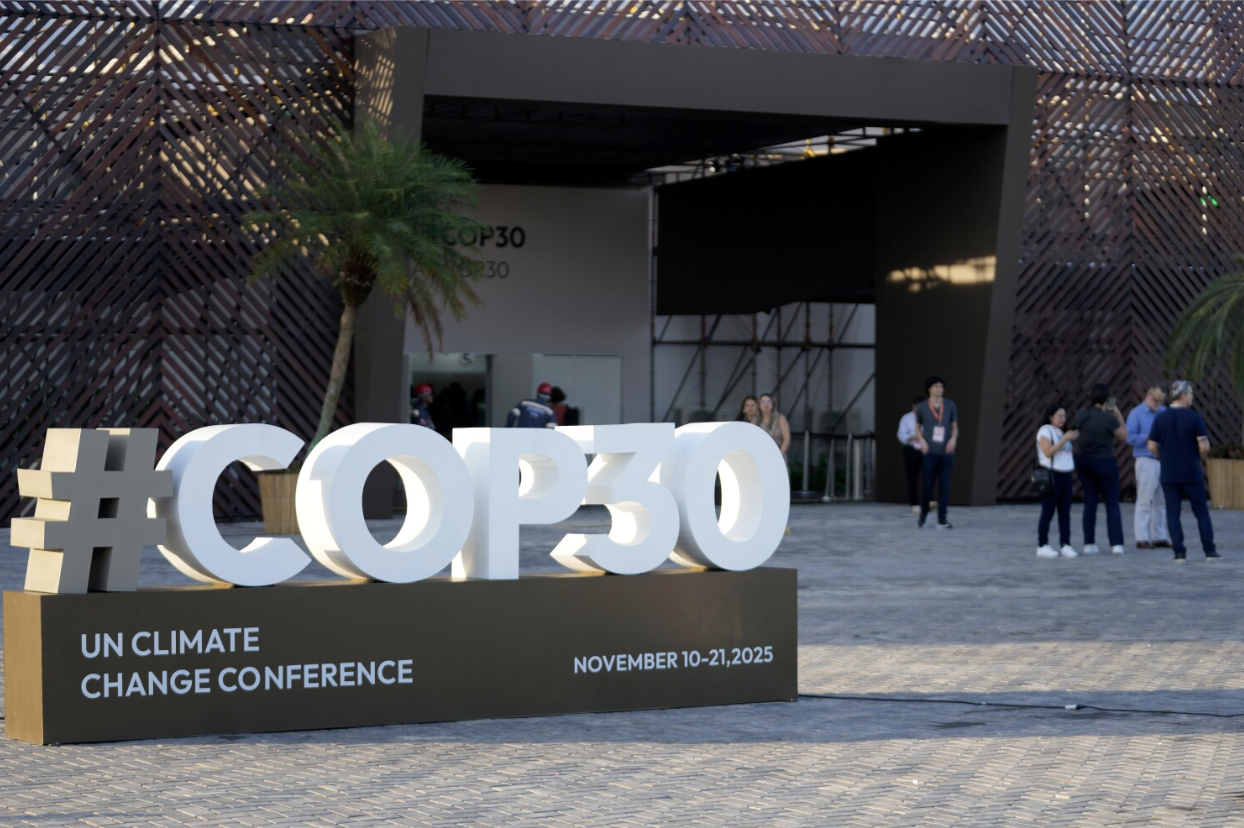
India has delayed announcing its 2035 emissions target even as the COP30 progresses, making it one of the only G20 nations in the conference yet to outline this goal. Many now speculate the government will place a greater emphasis on multilateralism and focus on existing pledges.

As New Delhi and Washington navigate trade tensions, the balance between energy sufficiency and international alliances remains unpredictable. The negotiations could pronounce India’s standing between the East and West.

Prominent Pakistani journalist Arshad Sharif was murdered on the outskirts of Nairobi at the hands of the Kenyan police on Sunday, Oct. 23. Sharif had sought refuge in Kenya after he left Pakistan in August, fearing for his life.
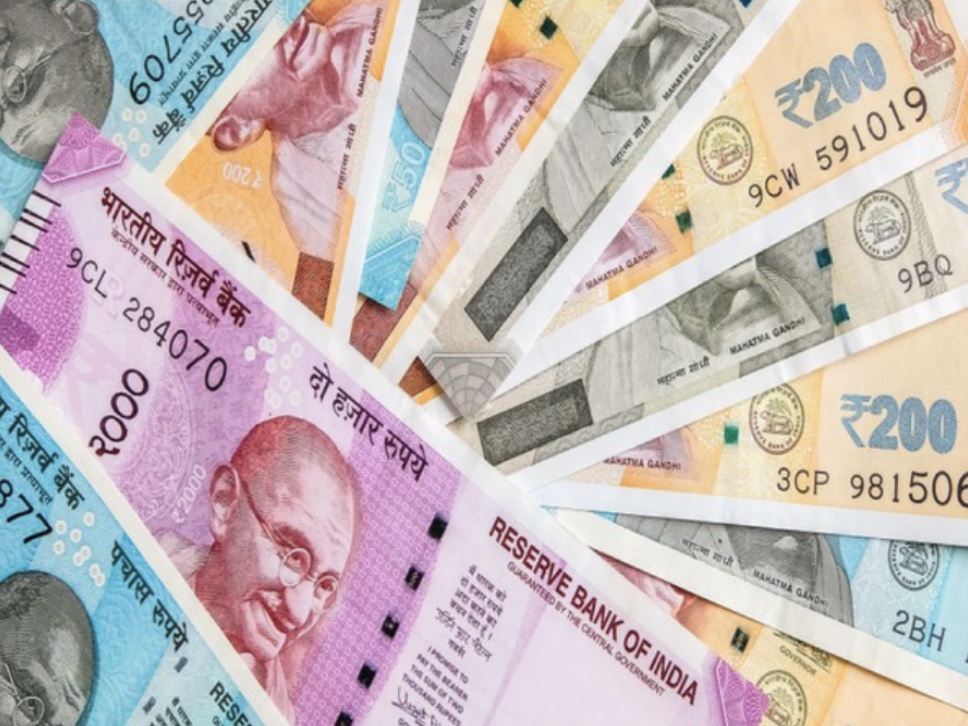
During their Migration and Development Brief, the World Bank stated that India is expected to receive a record $100 billion in remittance in 2022, the first time a single country has reached this number. This is a significant increase compared to the $89.4 billion made from India’s remittance rate last year.

Nepal registered the nation’s first legal same-sex marriage between citizens of different countries on Oct. 6, 2024.

Last weekend, US President Joe Biden met with Indian Prime Minister Narendra Modi and other leaders from Japan and Australia to discuss the future of one of his key foreign policy platforms: the Quad Partnership.

On Sept. 25, the IMF reached a deal with Pakistan, securing the nation the seven billion dollars needed to pay its debts and stay afloat. The news was uplifting to the country that has an external debt of $130 billion, with $90 billion due over the next three years. The International Monetary Fund, the financial wing of the United Nations, has continuously lent out money over recent years to Pakistan as the nation struggles to pay back interest on decades-old debt. Pakistan has requested a staggering twenty-three bailouts. This request comes as the nation teetered on being unable to pay back its interest obligations, in effect defaulting.

On August 29th, India unveiled a new missile submarine with possible nuclear capabilities in an effort to compete and assert power against China in light of their ongoing dispute.

This past Thursday, September 19th, in Pakistan two individuals were killed over accusations of Blasphemy. The first, Dr. Kanbhar, was shot dead by police after a mob moved to attack him.

Women’s rights in Afghanistan are in a state of deterioration, amplified by tensions from the Taliban who regained control of the state in August 2021. Throughout November, four prominent women’s rights activists were arbitrarily detained by the Taliban. Hundreds of women’s rights activists, fighting for the right to allow girls to receive an education, are now in the Taliban’s custody.

The Indian delegation to the The United Nations Conference of Parties (COP) pledged to redouble efforts moving away from fossil fuels to renewable energy, among many other commitments, led by the Indian Prime Minister Narendra Modi. The conference, the only multilateral decision-making body on climate change, is taking place in Dubai, United Arab Emirates from November 30 to December 12, 2023.

In late November, Forbes Magazine used satellite imagery to uncover four previously undisclosed state-run Bitcoin mining facilities in Bhutan. The locations include Dochula Pass, a sacred region home to 108 shrines for fallen Bhutanese soldiers, the town of Trongsa, the Dagana district, and Education City – a failed megaproject designed to create an educational hub in the region.

On Tuesday, rescuers freed 41 construction workers trapped under a collapsed tunnel in the Himalayan state of Uttarakhand, after spending 17 days under rubble. The laborers, all migrant workers from poorer states in India, quickly reunited with their families after their release.

On Nov 11, the Pakistan Navy and the Chinese People’s Liberation Army Navy (PLAN) launched the third edition of their “Sea Guardian” maritime drills. The exercise comes as a move to strengthen Sino-Pakistani ties and enhance strategic capabilities in jointly safeguarding the oceans.

This past Monday, the Nepali government announced a ban on TikTok, the video-sharing app that has accrued over 1 billion users globally. Officials pointed to the prevalent hate content on the app as the main justification for the ban.

On Friday, Nov. 3, a powerful earthquake struck Nepal, a small landlocked nation that lies along the south of the Himalayas. The earthquake is to have caused 150 casualties plus hundreds of injuries, with the possibility that these numbers may rise as aftershocks continue to rumble through the region.

On Tuesday, the state legislature elections within the Indian states of Mizoram and Chhattisgarh began. Elections in the states of Telangana, Madhya Pradesh, and Rajasthan are set to begin later this week.

On Oct.25, an advanced Chinese research vessel, Shin Yan 6, docked on the port of Colombo amidst India’s fears of China extending its influence over to the Indian subcontinent on an unprecedented scale.

On Oct. 31, suspected insurgents ambushed a group of police commandos sent to the Indian state of Manipur, resulting in a shootout. The situation ended when the Assam Rifles successfully rescued the police from the situation.
Attacks on commercial shipping in the Red Sea forced companies to reroute vessels around southern Africa, driving up costs, delaying deliveries and reshaping who gains from one of the world's most important trade corridors. Two years on, traffic is returning, but the vulnerabilities the crisis exposed have not gone away.
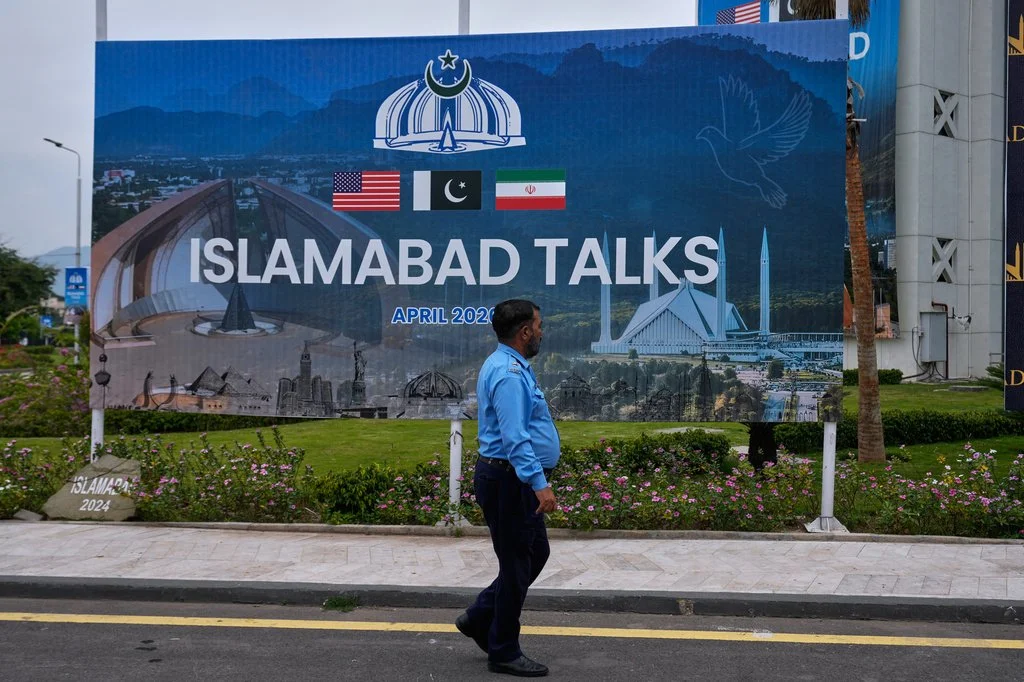
Though a temporary ceasefire was reached between the US and Iran on April 8, 2026, the situation in the Persian Gulf remains tense as both the US and Iran imposed blockades on the strait, prolonging the suffering of the global economy.
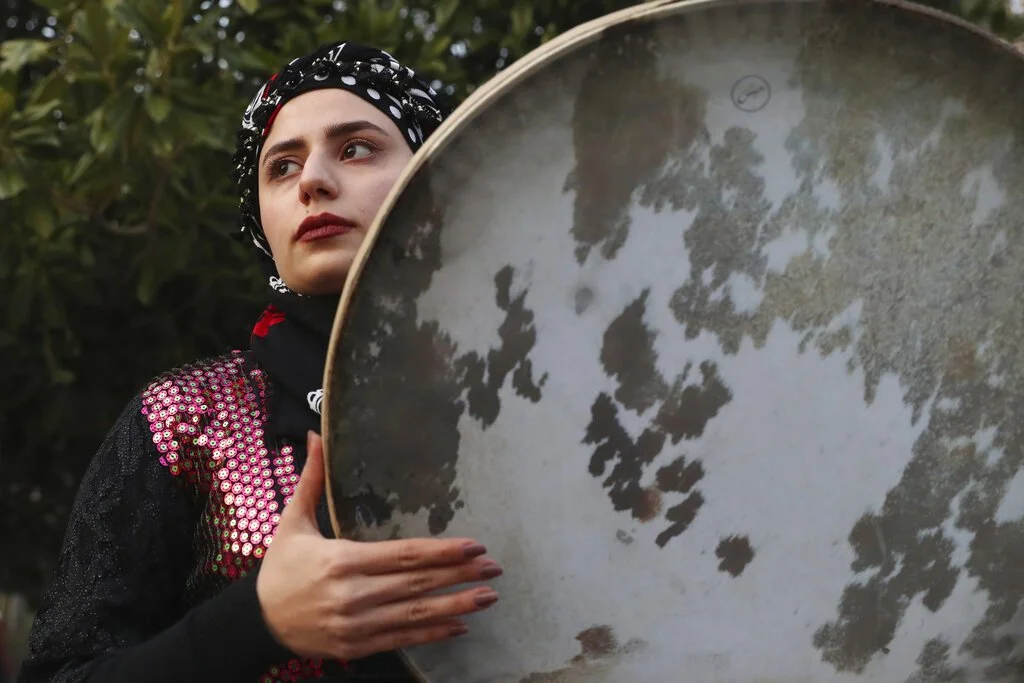
The 2026 War in Iran draws attention to the country’s ethnic Kurdish minority and their struggle for self-rule. Yet, is a foreign supported insurgency the final struggle or the beginning of further chaos?
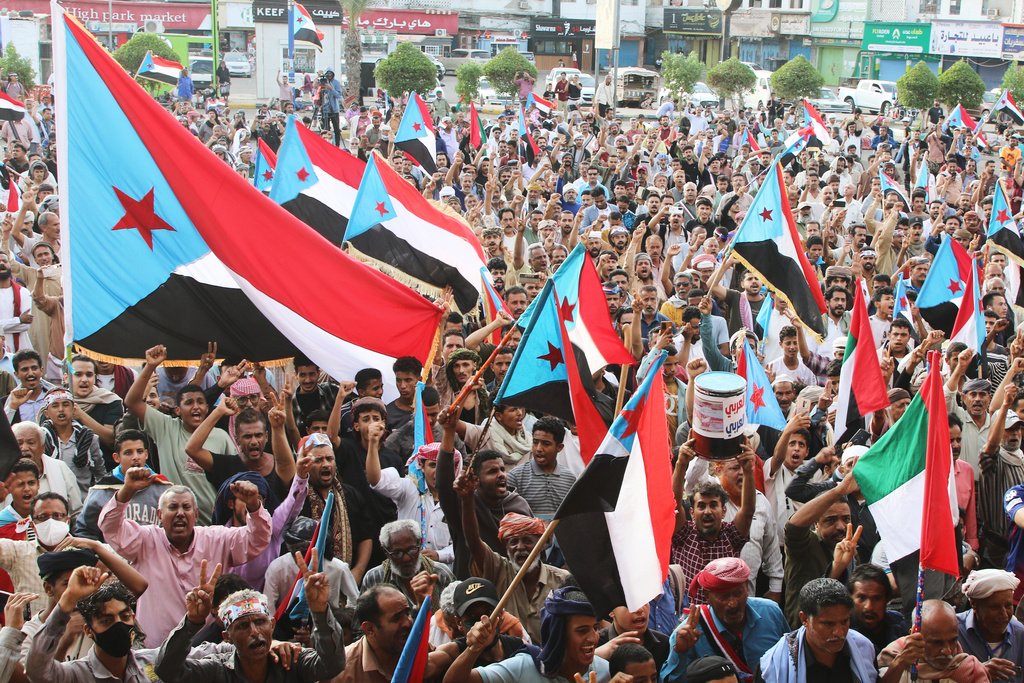
The dissolution of the Southern Transitional Council marks a historic rupture between the two Gulf States, and leaves the Iran-backed Houthis in their strongest position since 2014.

Iran does not have to win, it merely has to survive. While the U.S. and Israel initiated the war with Iran anticipating a quick victory, Tehran has demonstrated that, despite its weakened odds, its ability to strategize over the long-term is more important than mere strength and capabilities. The U.S. is on a path to setting a dangerous precedent, one where blatantly aggressive foreign policy will result in the abandonment of the U.S. as a reliable global partner.
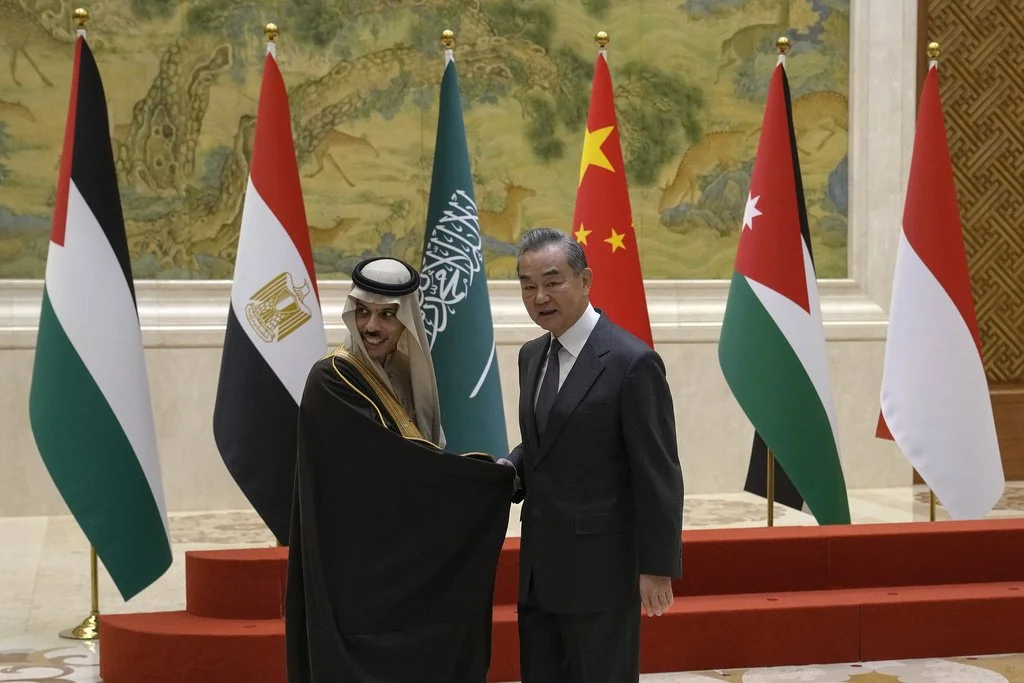
China has increased its presence through investment, energy ties and diplomacy, raising questions about how its role compares to the United States’ longstanding security influence in the region.
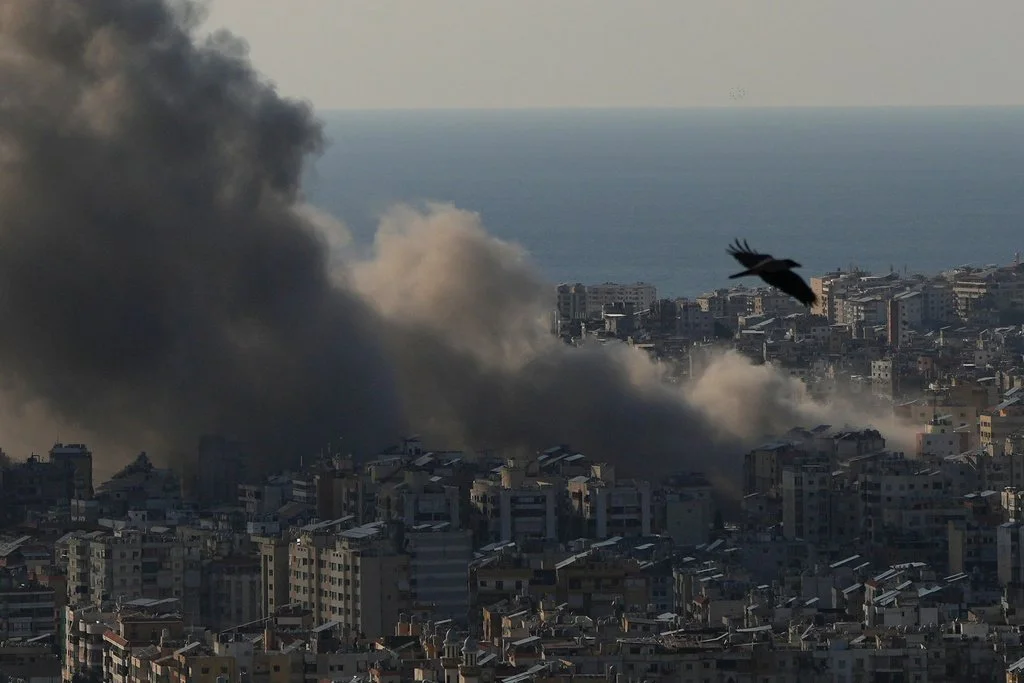
With the Middle East in crisis, the unstable relationship between the Lebanese state and Hezbollah is exposed, as Hezbollah’s war with Israel raises questions in Beirut.
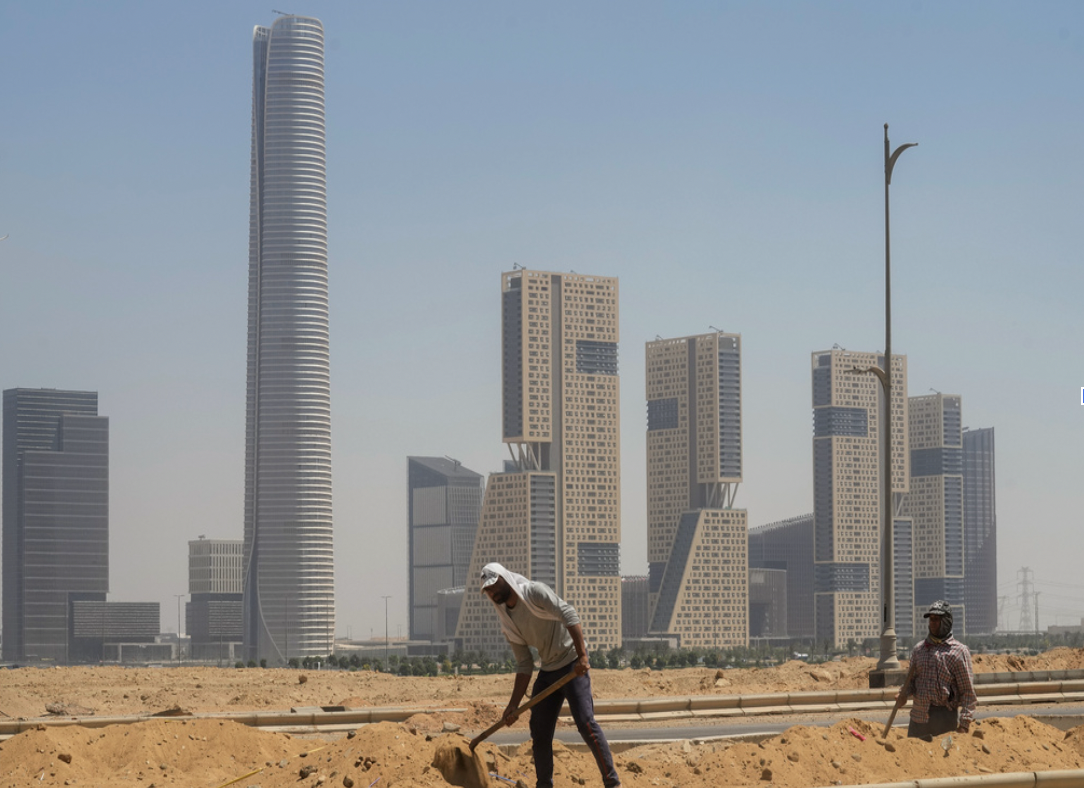
Billions in Gulf investment help stabilize Egypt’s economy, but growing ownership of strategic assets raises questions about political leverage in the Middle East.
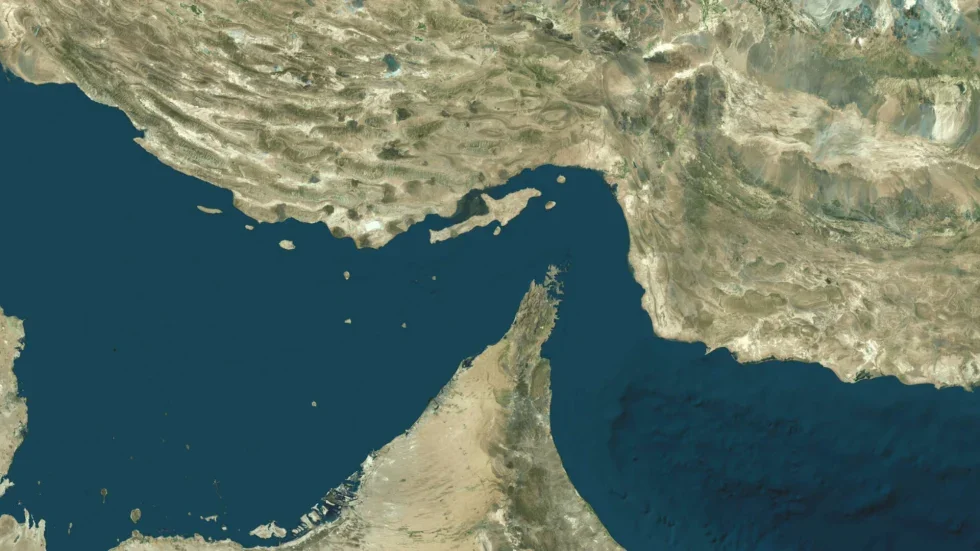
The US-Israel-Iran war of 2026 saw Iranian forces repeatedly strike targets in the Gulf countries, even though they did not participate in offensive actions on Iran.
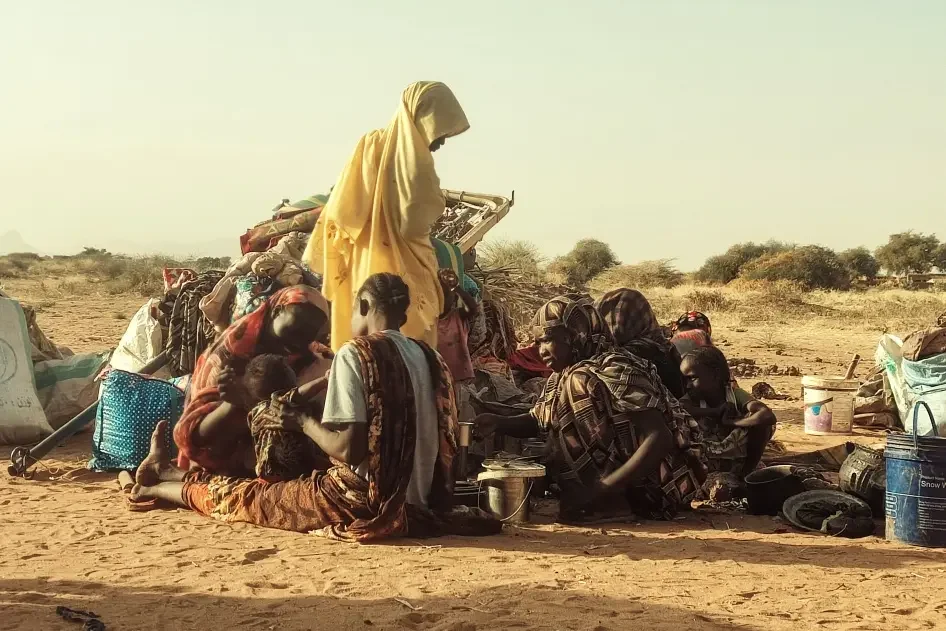
On October 26, 2025, the paramilitary Rapid Support Forces (RSF) captured El Fasher, the Sudanese Armed Forces' (SAF) final major stronghold in the western Darfur region. The fighting has devastated the country since 2023: displacing more than 14 million people, killing more than 40,000, and pushing more than 24.6 million people to the brink of famine.

After 13 years of civil conflict, the fall of former President Bashar al-Assad gave Syrians a sense of hope for stability. However, recent attacks led by Assad loyalists threaten the potential to eliminate division within the country.
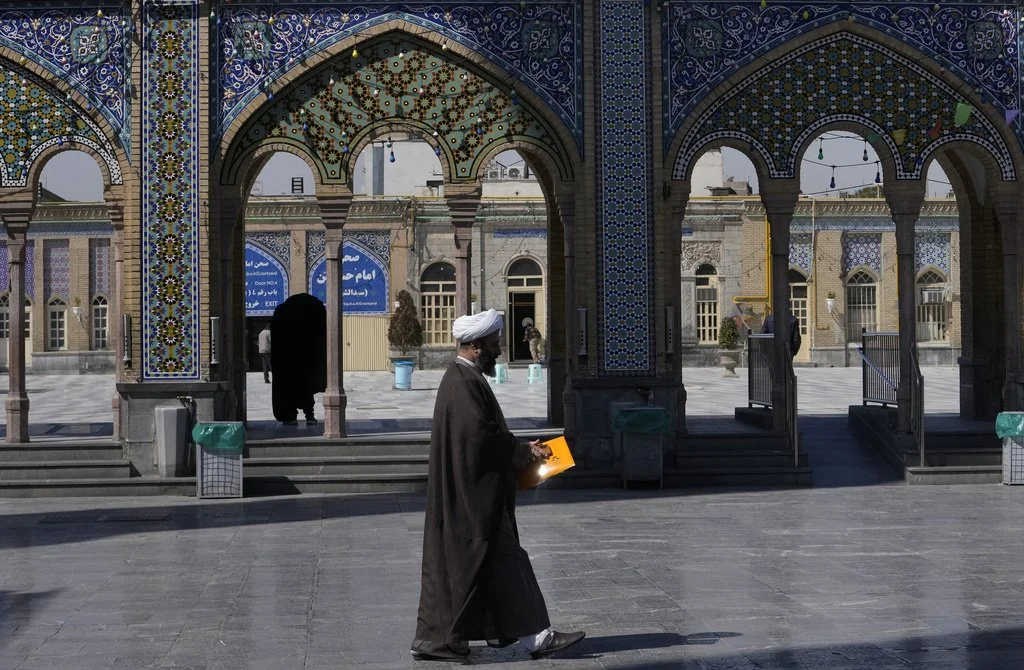
The steady uptick in Iranian human rights violations has caused public scrutiny and dissent, of which has existed in Iran for decades. However, one must ask, how many more executions have to happen before the public dissatisfaction grows large enough to overthrow the Islamic Republic?

In 2018, the Trump administration withdrew from the United Nations Human Rights Council. US Ambassador to the United Nations (UN), Nikki R. Haley, highlighted at the June General Assembly that this decision was due to the growing concern that the Human Rights Council was driven by “political bias” rather than humanitarian rights due to the “disproportionate focus and unending hostility towards Israel.”

The Syrian Democratic Forces merged with the transitional government amid sectarian violence, as President al-Sharaa signed a five-year interim constitution.
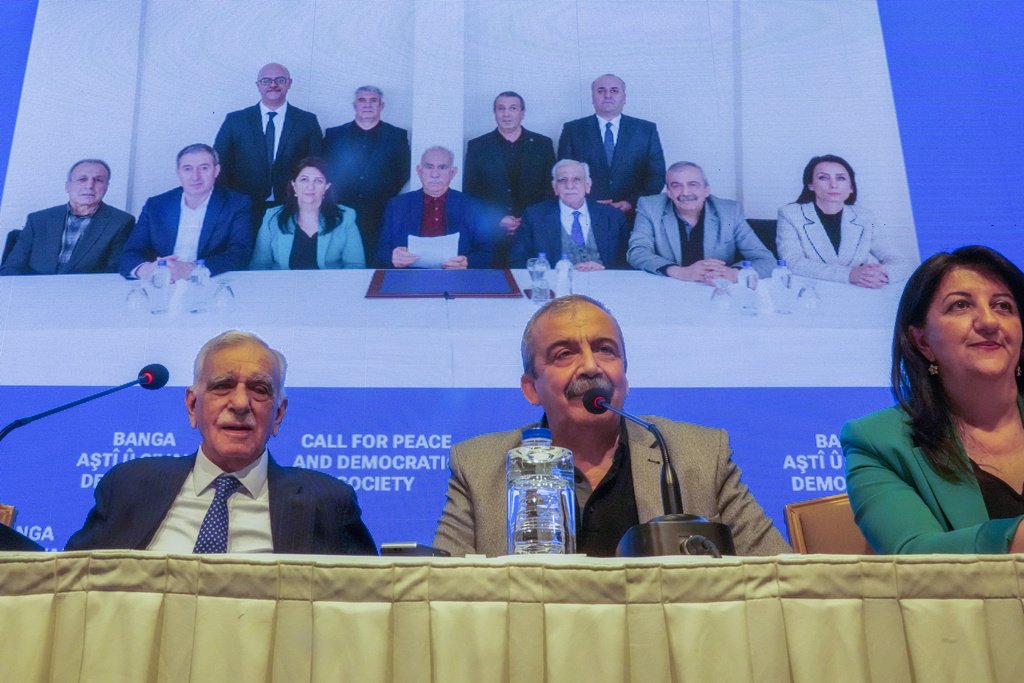
Abdullah Öcalan, the leader and founder of the Kurdistan’s Worker Party (PKK), issued a statement from prison calling for the group to lay down their arms and completely dissolve itself. Öcalan’s comments were read at a news conference in Istanbul by Kurdish lawmakers, who met with the leader earlier. The call to dissolve addresses all branches of the primarily Türkiye-based militant group, including its offshoots in Syria and parts of Iraq and Iran.

The international community remains silent when it comes to Israel’s violations of international law in Syria. The Golan Heights occupation and annexation, as well as the destruction of Syria’s defense capabilities render Syria weak and vulnerable during this time in its governmen’s transition. This elephant in the room has been conveniently ignored at international meetings regarding Syria’s future under HTS. How much longer will Israel continue to evade international law in Syria?

Israel’s refusal to withdraw from the Philadelphi Corridor threatens to derail ceasefire negotiations, as humanitarian conditions in Gaza worsen and talks over an extended truce remain stalled.

Unlike other countries in the MENA region, Morocco is not a gas-producing nor oil-producing country. The North African nation heavily relies on fossil fuel imports to provide energy to its population, with 90 percent of the country’s energy needs for both commercial and residential use met through imported natural gas and other fossil fuels, according to the World Bank.

A dispute over prisoner releases threatens to unravel the fragile ceasefire between Israel and Hamas, as both sides exchange accusations over hostage mistreatment and ceasefire violations.
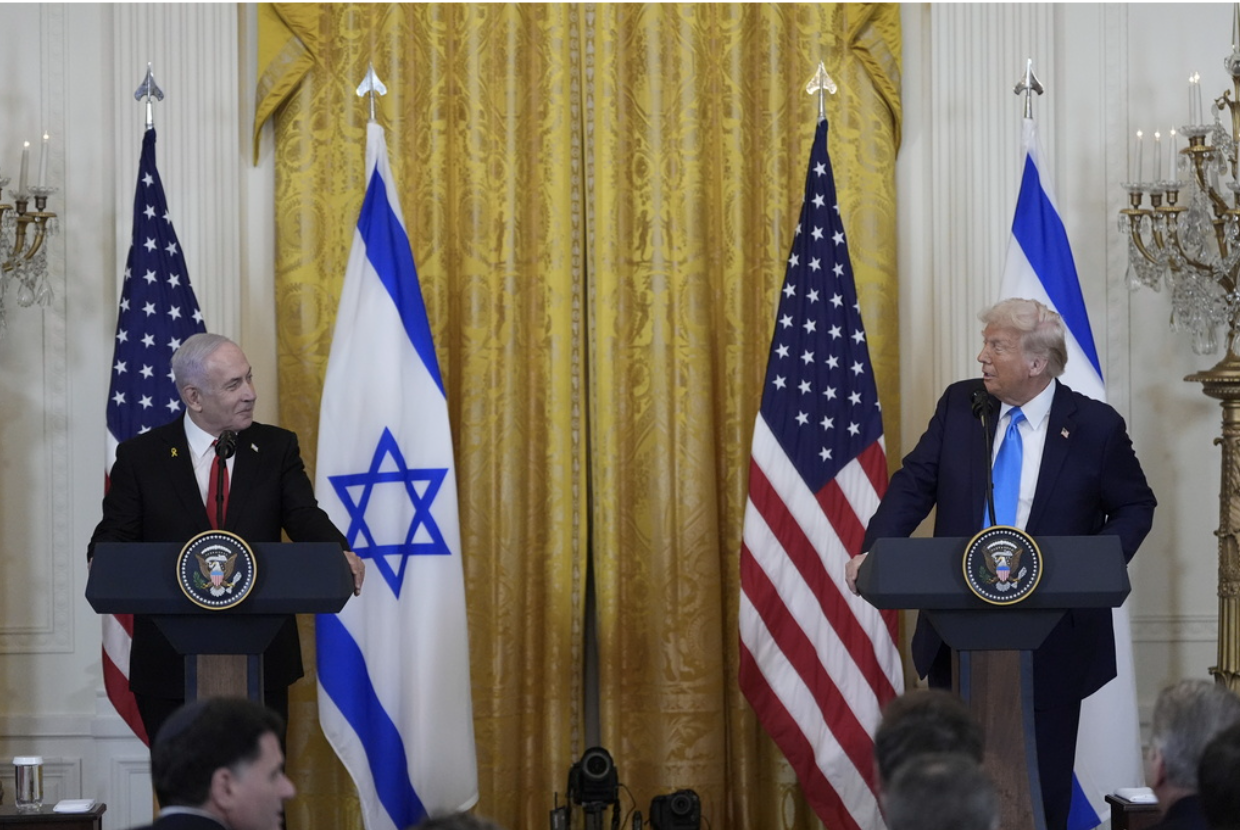
As the Arab League Summit inches closer, Arab leaders are looking to gather to discuss alternative solutions to Trump’s plan to relocate Palestinians out of Gaza.
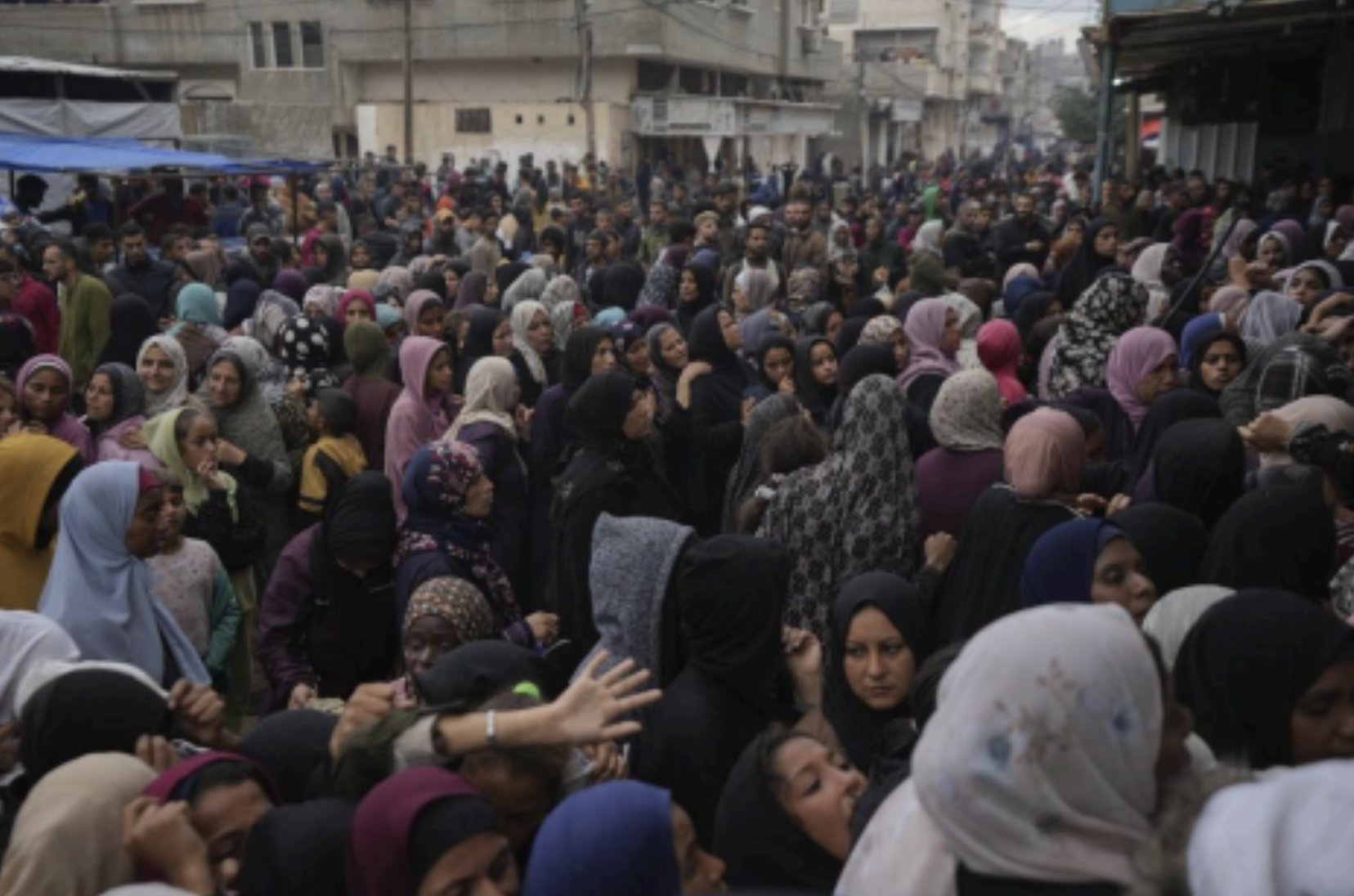
Upon receiving her presidential nomination at the Democratic National Convention, Vice President Kamala Harris said she and President Joe Biden were working “around the clock” to negotiate a ceasefire deal between Hamas and Israel. Harris has since made dozens of statements claiming that the administration has been “dedicate[d] to ending this war and bringing the hostages home.”
These statements are misleading.

A new decree from the Taliban is set to ban women from pursuing education in midwifery and nursing, with some students having already been barred from classes.

The endless cycle of conflict in the Middle East demands a shift from moral debates to pragmatic solutions — a practical, incentive-driven framework may be the only path forward.

The Israeli Information Center for Human Rights in the Occupied Territories – has been documenting, researching and publishing data, testimonies, video evidence and reports on human rights violations in Israel-occupied territories since its founding in 1989. In August 2024, the organization released an 118-page report accusing the Israeli government of carrying out systematic abuse and torture of Palestinian detainees, particularly in the aftermath of the Hamas attack on October 7, 2023.

Lebanese militant group Hezbollah recently announced the election of 71-year-old Naim Qassem — Hezbollah’s long-time deputy secretary general — as the group’s new chief leader last week.

On Oct. 26, Israeli missiles struck military bases in three Iranian provinces. To further prevent Iraq and Syria from intercepting the attacks, Israel’s missiles also targeted their air defense systems. Four Iranian soldiers were killed in midst of the strikes.

Discussions of a transition period for the anti-ISIS US-led coalition in Iraq have been underway. If given the green light, this anticipated transitional period would introduce reductions in the 2,500 troops stationed in Iraq between September 2025 and the winter of 2026.

US investigators are inspecting how a pair of highly classified intelligence documents leaked online. The two documents that surfaced on the messaging platform Telegram last Friday purportedly detail a US assessment of Israel's plans to strike Iran.

On Oct. 16, 2024, Yahya Sinwar, the leader of the Islamic Resistance Movement (Hamas), was killed by the Israeli military.

Israel has targeted United Nations (UN) peacekeepers in Southern Lebanon in recent attacks, injuring several and forcing entry into UN bases.

Hungary’s election ended 16 years of illiberal rule, but it did not end the logic that sustained it.
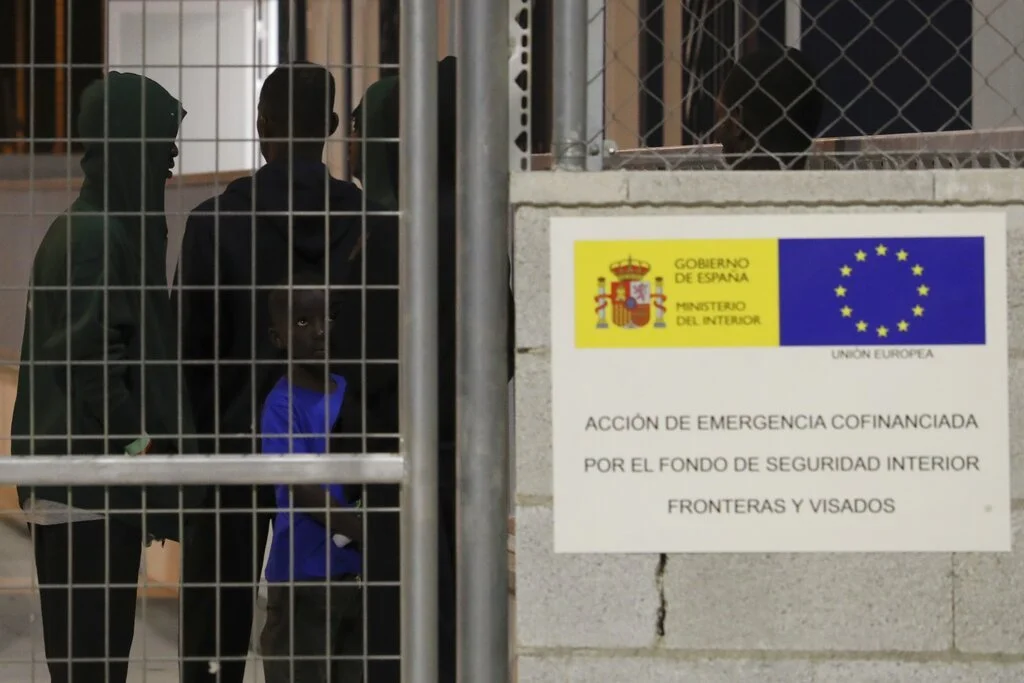
By endorsing offshore “return hubs” and criminalizing undocumented migrants, the EU’s new Return Regulation threatens to dismantle decades of asylum protections.
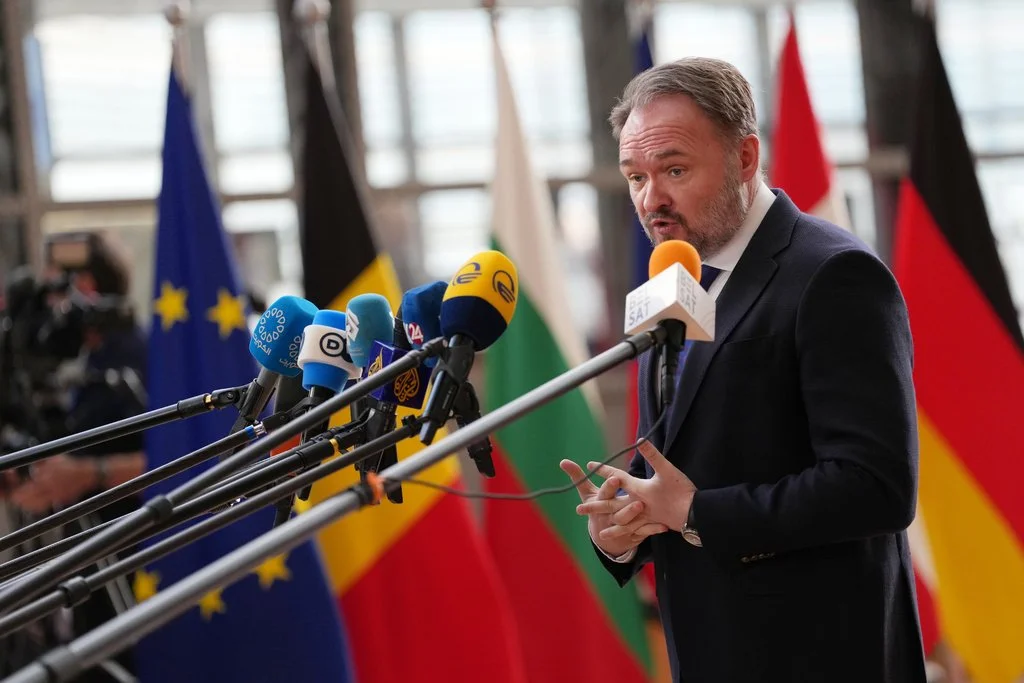
EU Energy ministers held an emergency meeting as oil and gas prices surge. Brussels prepares to revive crisis measures from 2022.

In response to a claimed act of ‘economic espionage,’ Russia has expelled British diplomat Albertus Gerhadus Janse van Rensburg. This comes as part of an ongoing move by the Russian Federation to limit British power in Russia, increasing restrictions on who is eligible to be a diplomat in the region.

As the U.S. and Iran argue over the Strait of Hormuz, Downing Street faces rising household bills and plummeting poll numbers just weeks ahead of May's local elections.
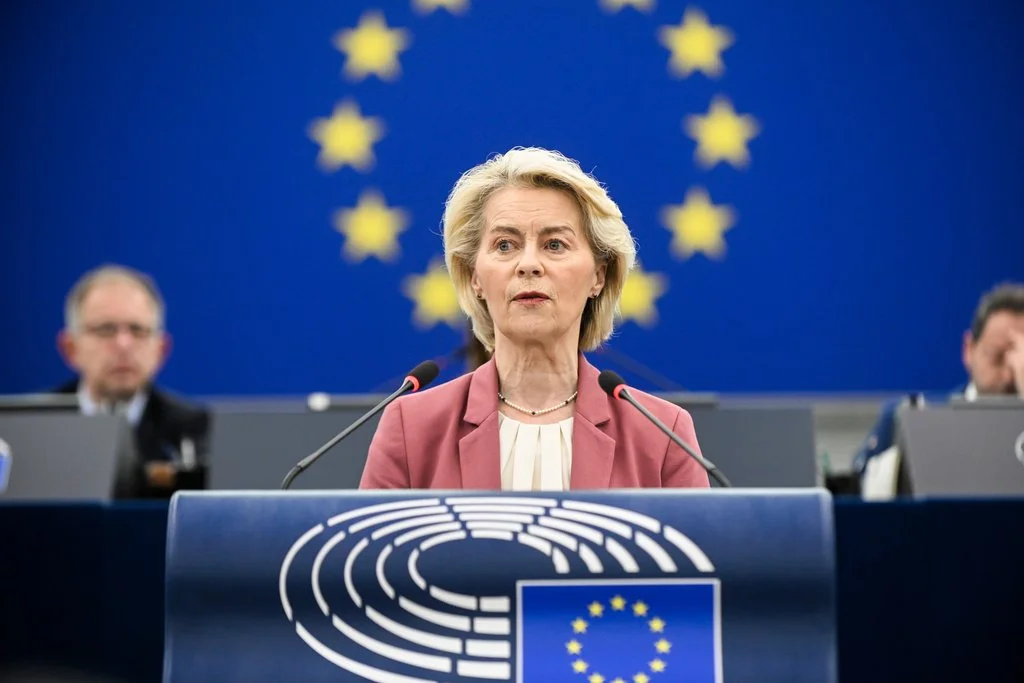
Von der Leyen’s call to ditch the rules-based approach to foreign policy has drawn pushback from EU diplomats, member states, and her own colleagues.
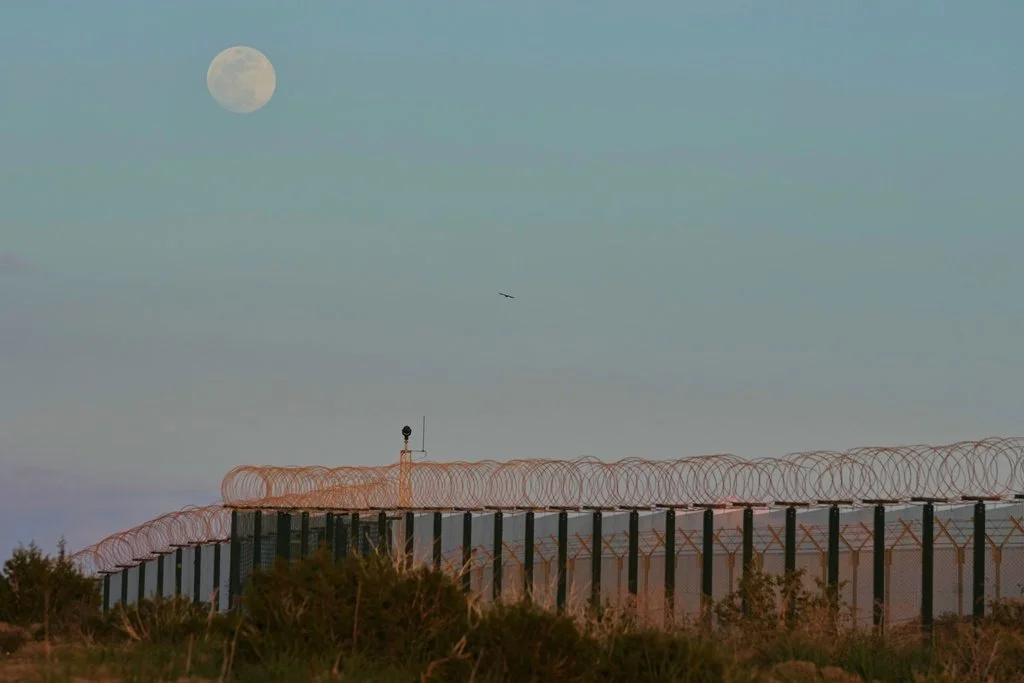
In an effort to support allies engaged in the ongoing conflict in the Middle East, France has deployed a dozen naval vessels to the Mediterranean, Red Sea, and potentially the Strait of Hormuz. This move comes after drones were intercepted while flying towards Cyprus last week.
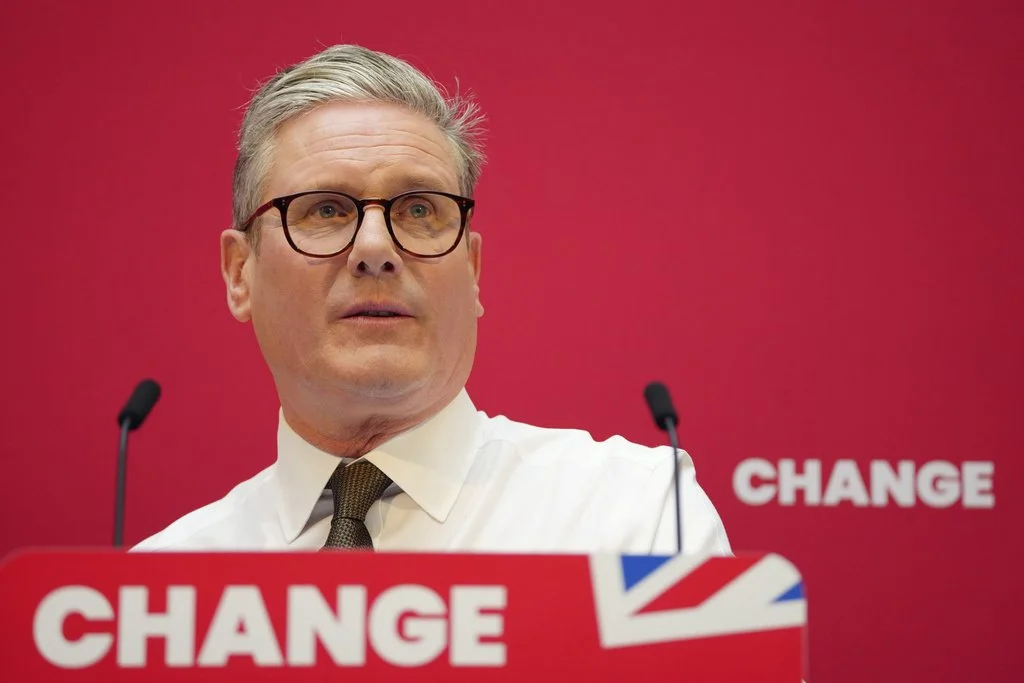
British Prime Minister Keir Starmer’s delayed approval for the US to use UK bases has put a strain on the ‘special’ US-UK relationship, threatening a crucial trade deal and drawing criticism at home.
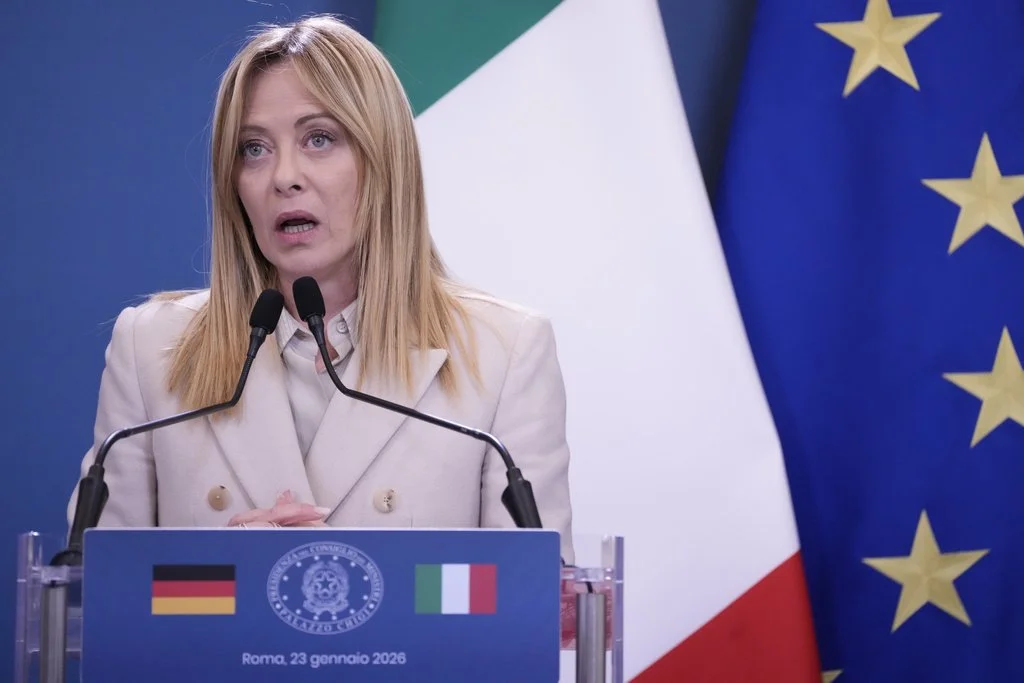
With Italy’s general elections creeping up in 2027, the current center-right ruling coalition is under scrutiny for proposing a new bill that could keep Prime Minister Giorgia Meloni in power.

The UK Government introduced its new plans to build a small nuclear plant in Northern Wales, which has angered the US, who had planned to build a reactor in the same location. British Prime Minister, Keir Starmer, has previously struck nuclear deals with US President, Donald Trump, and therefore these plans call into question the role of the US in the UK energy sector going forward.

The EU has strengthened its stance on the Russia-Ukraine conflict, imposing new sanctions on Russian trade, and introducing changes to funding and a road-map of future defences against Russian attack. These plans pose a threat to the Russian economy and present an attempt to pressure Russia into peace negotiations.

In August 2025, Germany’s center-left and far-right coalition introduced a bill that would significantly increase military spending.

Following a complex legal challenge last fall, Italy has now moved forward with its contested asylum policy by transferring forty migrants to Albania. This marks an unprecedented moment in European migration policy, as the first documented case of asylum seekers being sent to a third country with no direct connection to their origin or migration route.

President Macron of France has played an important role in European politics as the United States have created worry over the future of their alliance.

Marine Le Pen, the leader of a far-right political party in France, has been accused of embezzling millions of dollars from the French government. Her conviction comes at a time of transition for the nation.
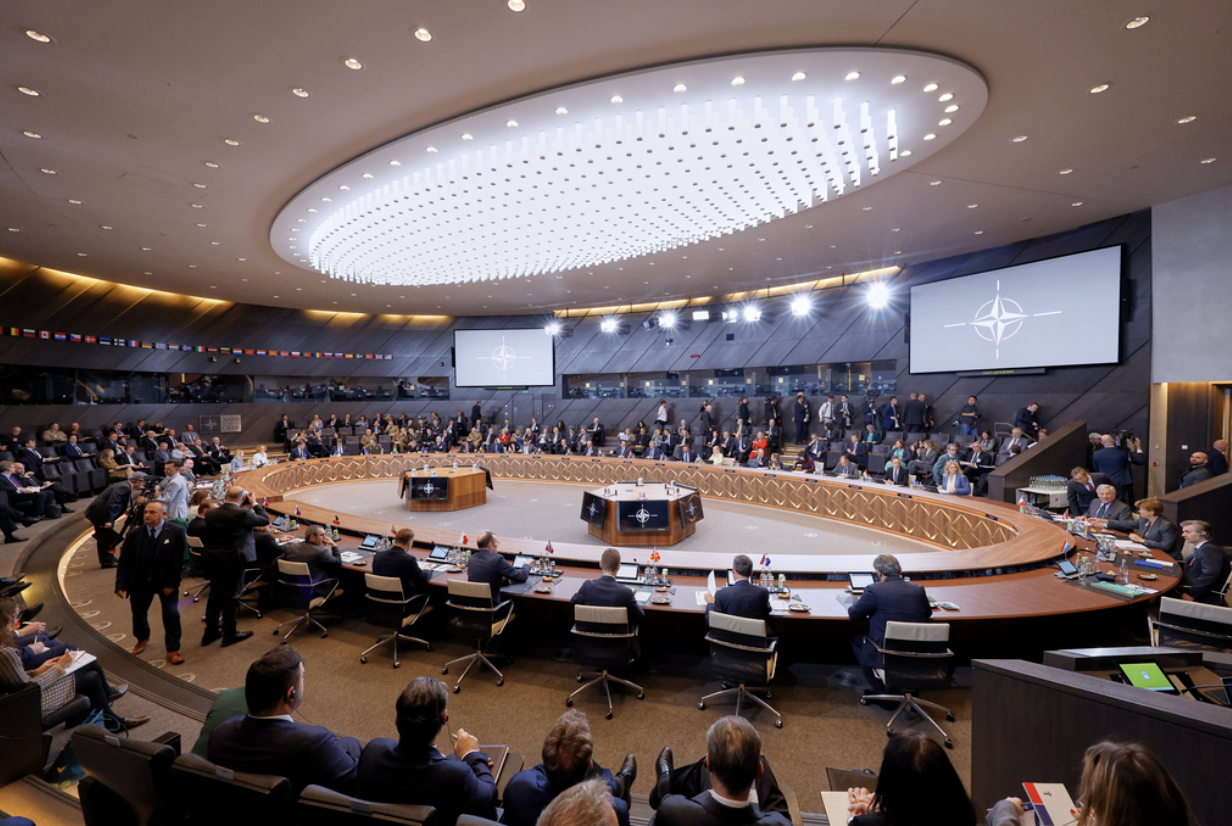
Meeting Trump's proposed 5% GDP target for NATO defense spending could cripple Europe's social safety net, forcing painful choices between security and social welfare.

A recent confidence vote has removed the incumbent Prime Minister Montenegro out of office, prompting another election after a series of complications with lawmakers.

The growing wave of anti-government protests in Serbia illustrates a society pushing back against decades of stagnation. This civil unrest not only seeks immediate reforms but also raises critical questions about the country’s EU integration prospects.

On March 2nd, European leaders convened in London to coordinate a response following the escalating tensions in the Ukraine-Russia War. The summit's discussions on military aid and strategic cooperation underscore a pivotal moment in European security policy.

As President Trump warns to revoke defense for Europe, President Macron assembles fellow European legislators to discuss their changing future.
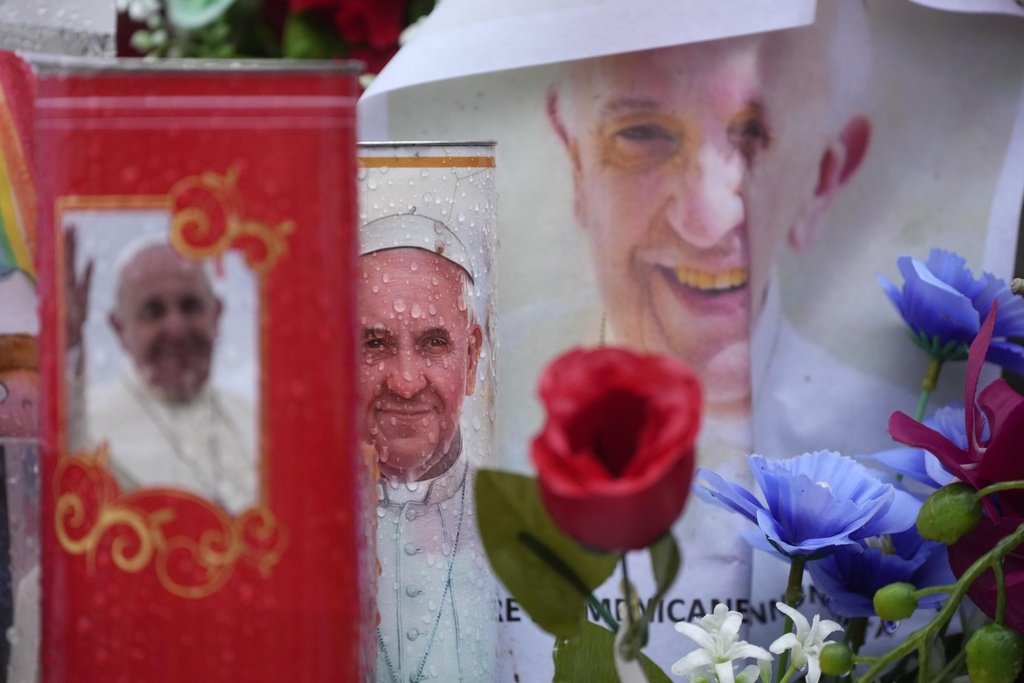
Pope Francis II was hospitalized in Rome due to a respiratory tract infection. This affects not only the Catholic Church, but has implications in the larger global geopolitical context as well.

Last week, Estonia, Latvia, and Lithuania completed their de-synchronisation from Russia's electricity grid, a move planned since 2007 but significantly accelerated by Russia's full-scale invasion of Ukraine.

As Syria stands on the brink of a new era, the European Union faces pivotal decisions that could redefine its role in the Middle East.

Donald Trump's return to power marks a pivotal moment for the European Union (EU). With the European Commission focusing on critical areas like trade, climate, and migration, the EU must brace for the challenges a second Trump term will bring.

The German ruling coalition, led by Olaf Scholz, has collapsed following the firing of the finance minister, Christian Lindler, last week.

The United Kingdom’s (UK) defense spending and international security commitments are attracting much attention as the government balances global threats and budget conflicts.

As BRICS continues to assert its influence, the European Union (EU) must carefully evaluate the implications of its growth. The summit's outcomes hold particular relevance for the EU, given the bloc's strategic interests and increasing involvement in global affairs, including the ongoing conflict in Ukraine. How is BRICS going to impact the EU's strategic interests?

As of Oct. 22, 2024, the United Kingdom and Germany have signed a significant defense pact to reinforce military collaboration in response to the growing threat posed by Russia. Such an agreement highlights the strategic importance of their alliance as both powers seek to confront escalating security challenges in Europe.

On Friday 25 Oct French authorities revealed they’d charged seven individuals in connection with the cyberbullying of Thomas Jolly, the creative director for the Paris 2024 Olympics.

On Sunday, October 20th, Moldova held a referendum vote on joining the European Union (EU), alongside its planned presidential elections.
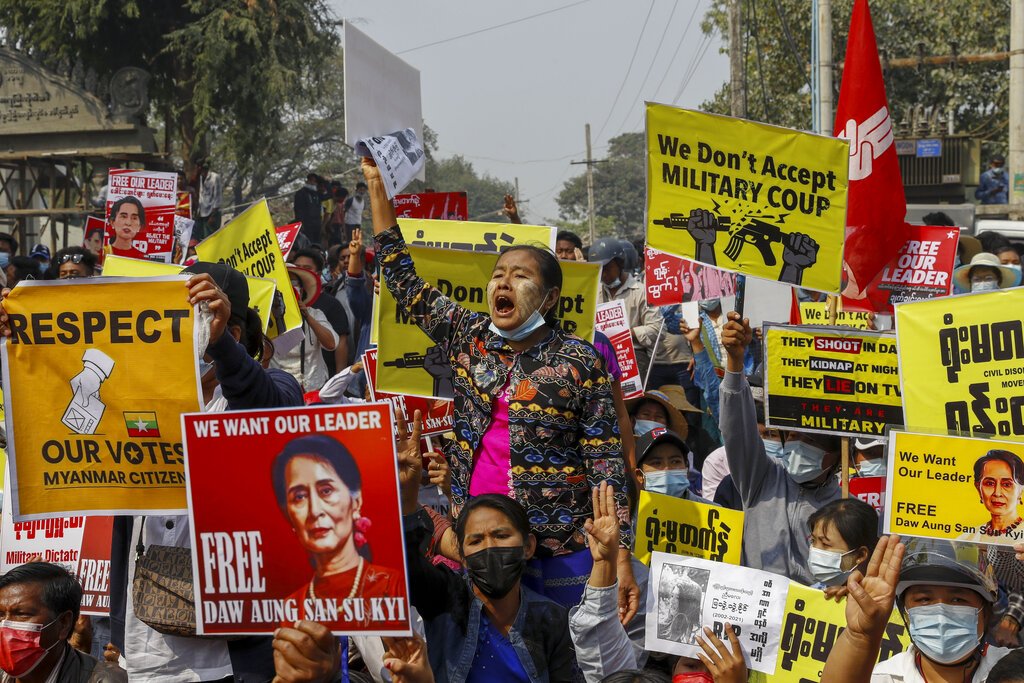
Myanmar’s Tatmadaw has incited tragedy for decades, disrupting the state and those neighboring it. Despite the lives lost, nations have shown little support for Myanmar’s citizens, at times aiding the military junta.
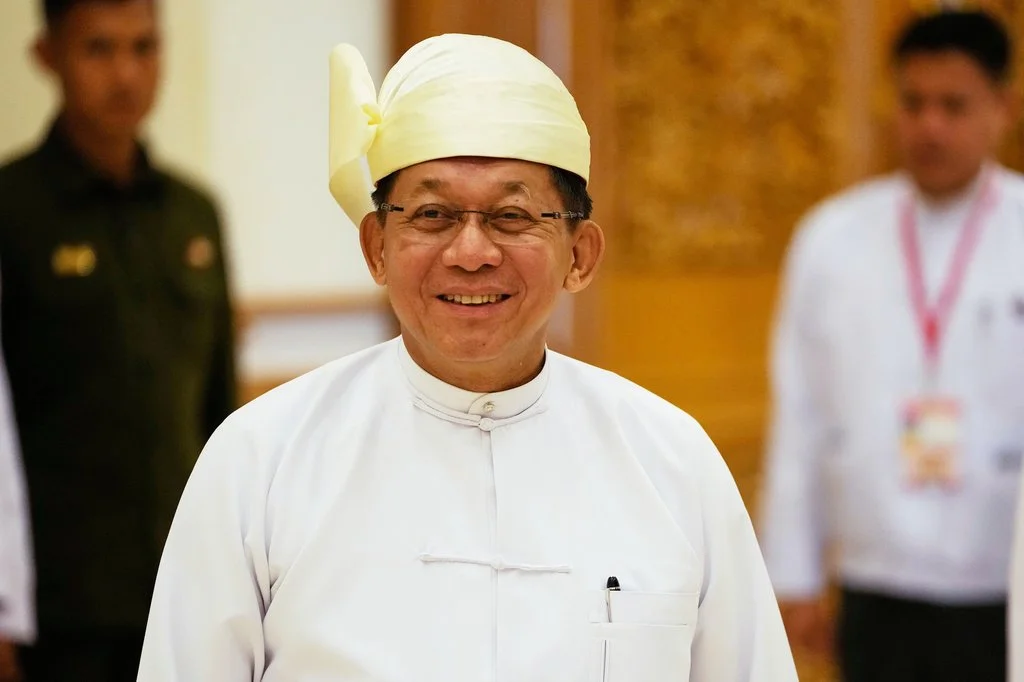
Accused of war crimes and genocide, Myanmar’s de facto leader assumes the presidency with 73% of votes from a parliament dominated by the armed forces.
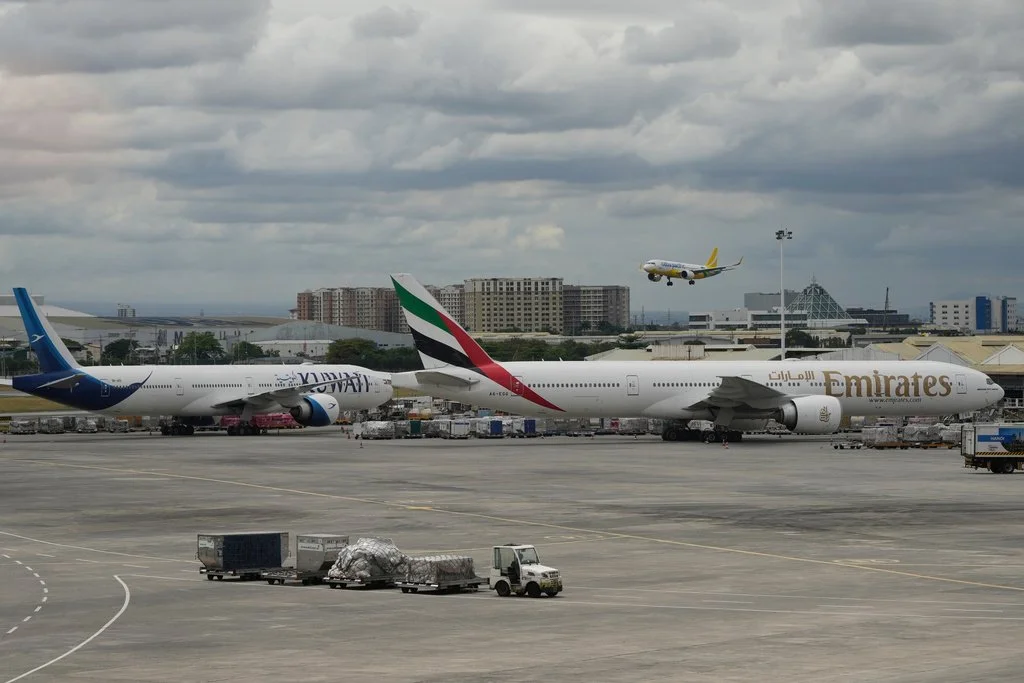
Fighting in the Middle East has disrupted thousands of flights, driven up oil prices, and upended key transit routes connecting Southeast Asia with much of the world.
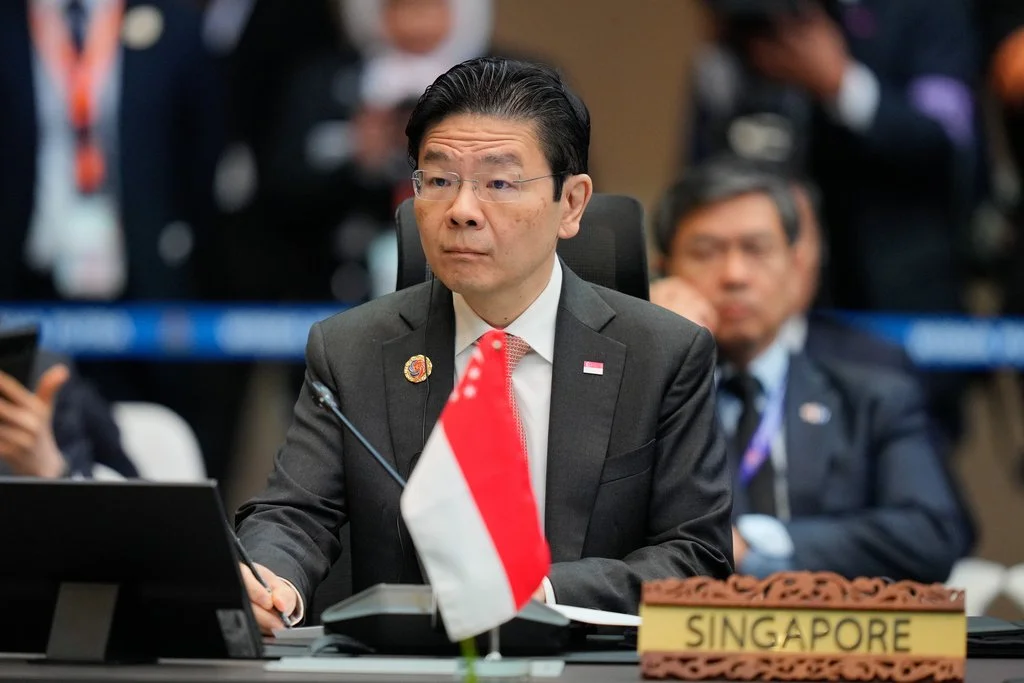
Countries around the world scramble to deal with global crisis linking cybercrime syndicates, human trafficking, and complicit governments.

As numerous typhoons have entered the islands, the government has sought to support affected areas, attempting to move past previous incidents of negligence and embezzlement.

Program designed to combat stunting and malnutrition has sent children to the hospital as critics blame rushed timelines, poor implementation, and misplaced priorities

The deal, which aims to increase supply of rare earths, strengthens Australia’s relationship with the United States but may produce complications with China.
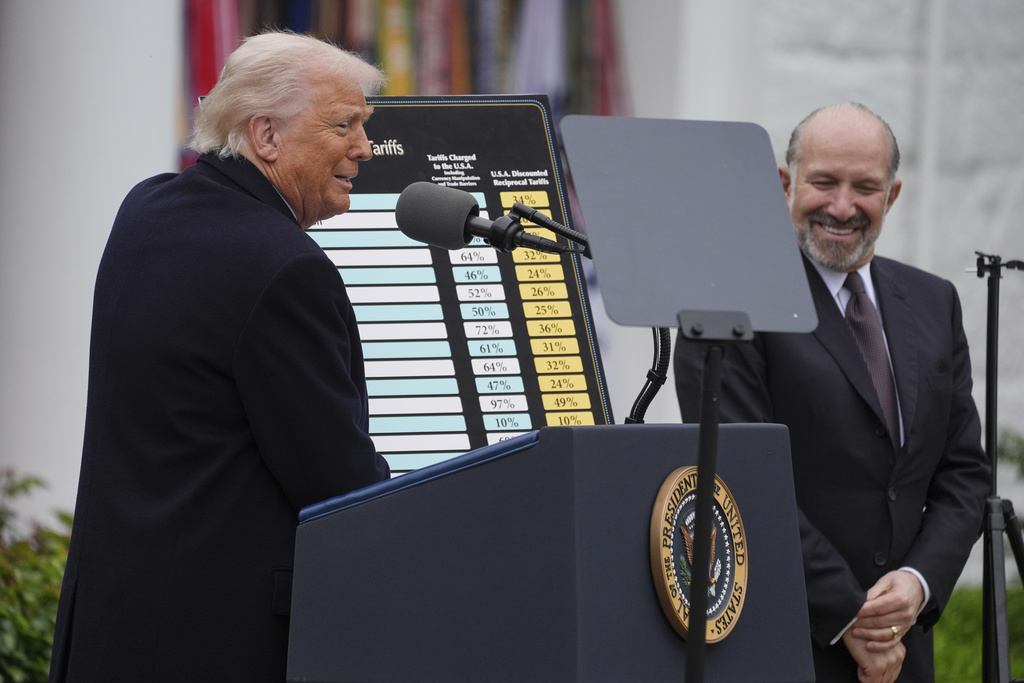
The “Liberation Day” tariffs imposed by the US mark a major shift toward protectionism, disrupting global trade and disproportionately impacting Southeast Asia and Oceania. As economic uncertainty grows, joint responses to preserve rules-based trade and regional stability are being explored.

Duterte’s arrest by the ICC marks a pivotal moment in the fight for justice, but the global drug trade remains an evolving crisis. However, international cooperation is needed to dismantle drug networks and hold the true perpetrators accountable.

Indonesia becomes the first ASEAN nation to join BRICS, strengthening its global economic ties while balancing its non-alignment policy. This move positions Indonesia for expanded trade, infrastructure growth, and deeper collaboration with emerging economies.

Both the military and those fighting for democracy and regional autonomy have relied on illegal profits as the easiest way to fuel their war efforts.

The Association of Southeast Asian Nations (ASEAN) summit began on Wednesday Oct. 9 in Vientiane, Laos with a major focus placed on tackling a critical issue within the region: the worsening civil war in Myanmar.
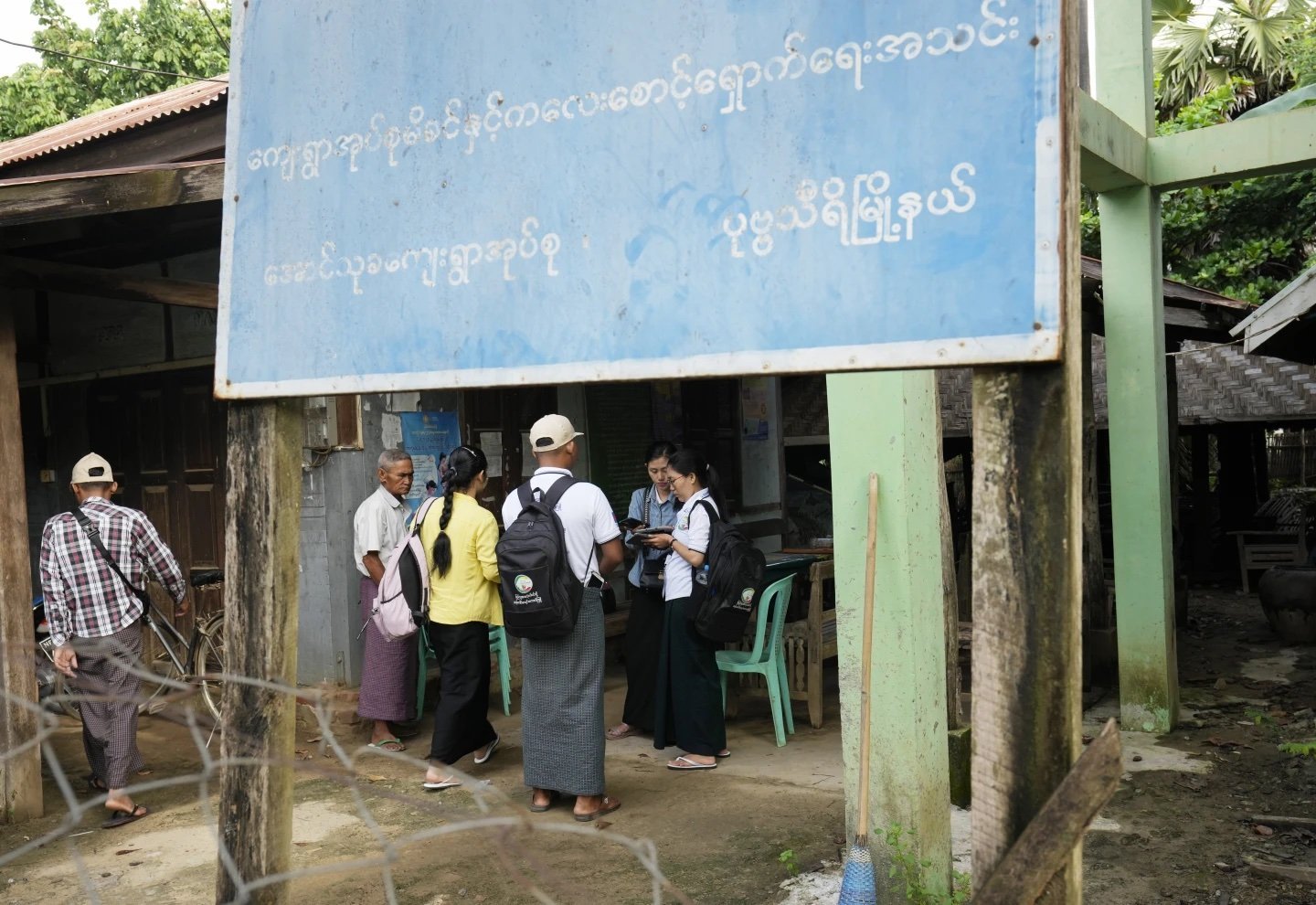
Tensions between Israel and Iran finally reached a tipping point on Tuesday Oct. 1, when the latter initiated a missile attack into Israeli territory. There has only been one confirmed death and a handful of minor injuries reported.

Penny Wong, Minister for Foreign Affairs of the Commonwealth of Australia, has recently urged Australian citizens in Lebanon to leave while they still can. An estimated 15,000 Australians remain in Lebanon after Israel initiated a ground operation in Hezbollah.

On Tuesday, Sep. 24, 2024, Thailand’s landmark marriage equality bill was approved by King Maha Vajiralongkorn, making the nation the first in Southeast Asia to legalize same-sex marriage.

On Sept. 18, Indonesia’s Central Bank (Bank Indonesia) announced a decrease in their interest rate from 25 basis points (0.25%) to 6%, in a move that came as a surprise to most experts.

In 2022, New Zealand was lauded for passing the world's first generational smoking ban. In a surprising turn of events, New Zealand has backtracked its course on the ban, announcing a disappointing reversal that has drawn criticism from public health officials.

A Chinese Coast Guard vessel collided with a Philippine boat on a resupply mission on Oct. 22, 2023, this past Sunday morning. Following the collision, both sides have swapped accusations of blame, heightening tensions in the already-disputed South China Sea.

In the midst of the worldwide polarization over the Israel-Palestine conflict, Southeast Asia has not been immune to its impact. Malaysia and Indonesia, two predominantly Muslim nations, have voiced strong support of the Palestinian cause. In contrast, several other countries in the region have maintained relatively vague or pro-Israel stances on the issue.

This past Monday, Indonesian President Joko Widodo inaugurated the country’s first high-speed railway in Jakarta, Indonesia, marking a new phase in the region’s transportation system.

Malcolm Turnbull, the former prime minister of Australia, is leading the charge to curb Rupert Murdoch’s monopoly of influence.

In their March report, the Indonesian super-app provider, GoTo, said that its 2022 net loss widened by 56% to 40.4 trillion rupiah ($2.6 billion) as the company continues to struggle to turn a profit.

Big Western chipmakers are increasingly turning towards Singapore as a production hub, both to meet growing demands and to diversify their supply chain risks.

On Feb. 25 last week, the Philippines marked the 37th anniversary of the People’s Power Revolution.

In early December, The Reserve Bank of Australia (RBA) lifted interest rates for the eighth consecutive month, taking its benchmark to 3.1%.

Singapore’s state-owned investment company Temasek has decided to write down the value of its investment in FTX to zero.

Amidst the ongoing political tug of war between the US and China, Biden has to establish what ASEAN centrality means.
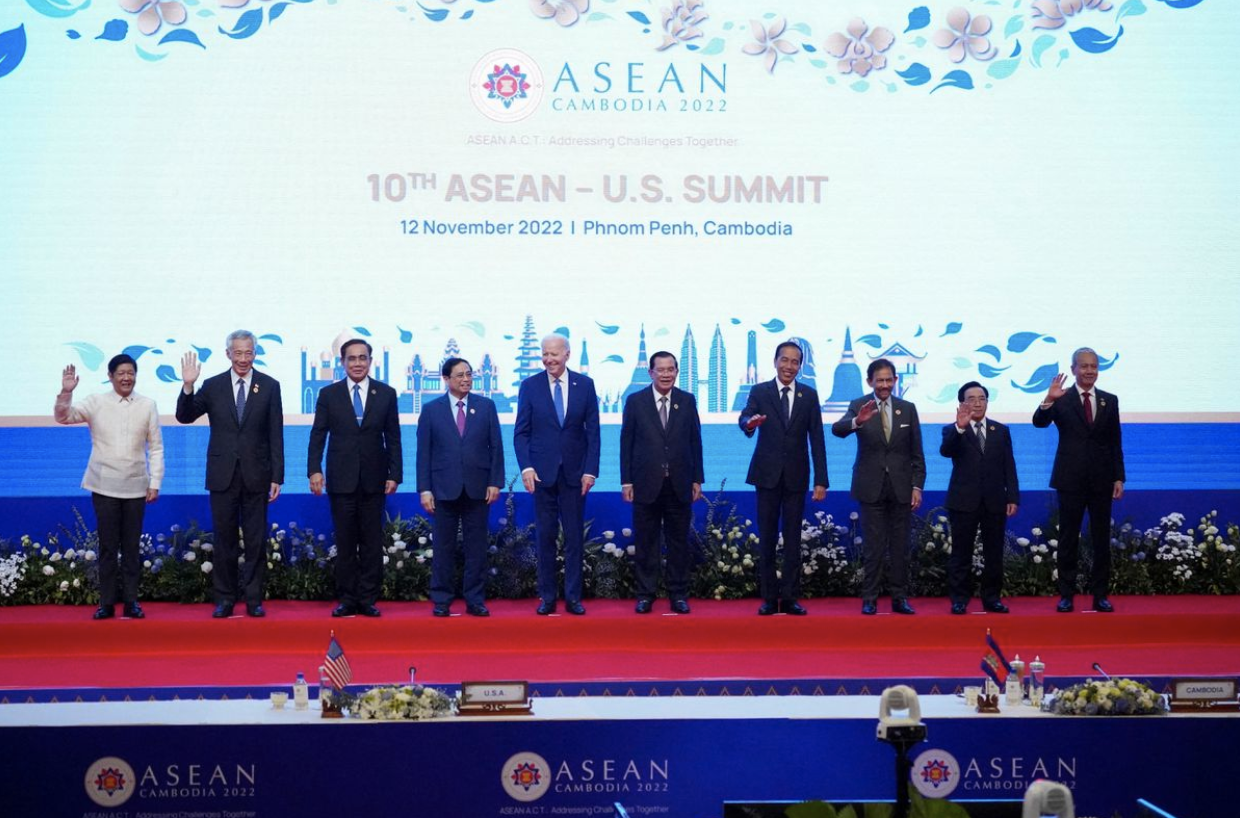
President Joe Biden met with the Association of Southeast Asian Nations (ASEAN) leaders on Nov. 12, marking the 45th year of U.S.-ASEAN cooperation and raising issues of U.S. support in the region amidst increasing intervention from China.
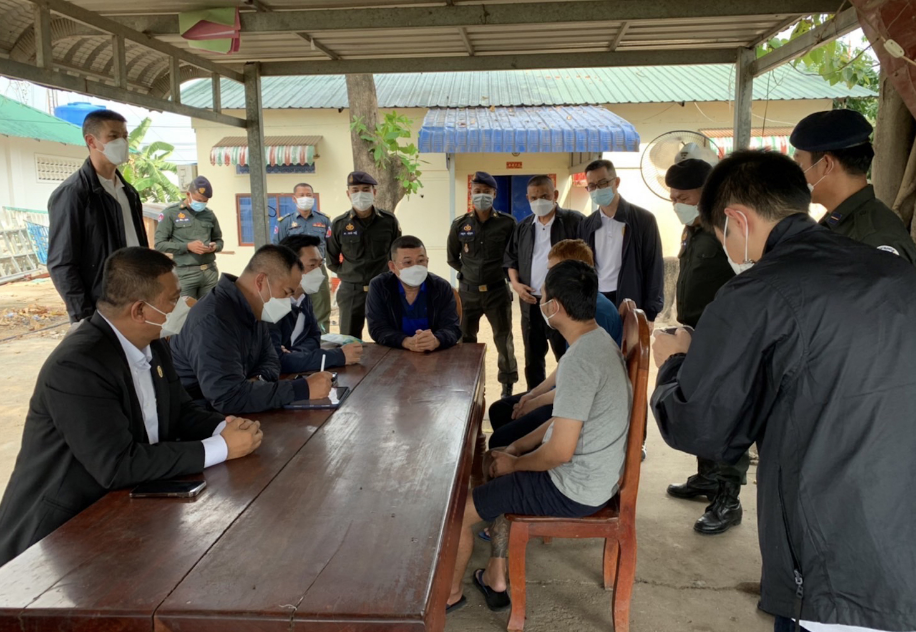
These are but some of the common ways scammers operate. Protected by the anonymity of the internet, there has been a significant rise in individuals falling for these scams all across Asia.

Japanese megabank Sumitomo Mitsui and U.S. tech giant Microsoft are teaming up to provide financial services to digital platforms in Southeast Asia.
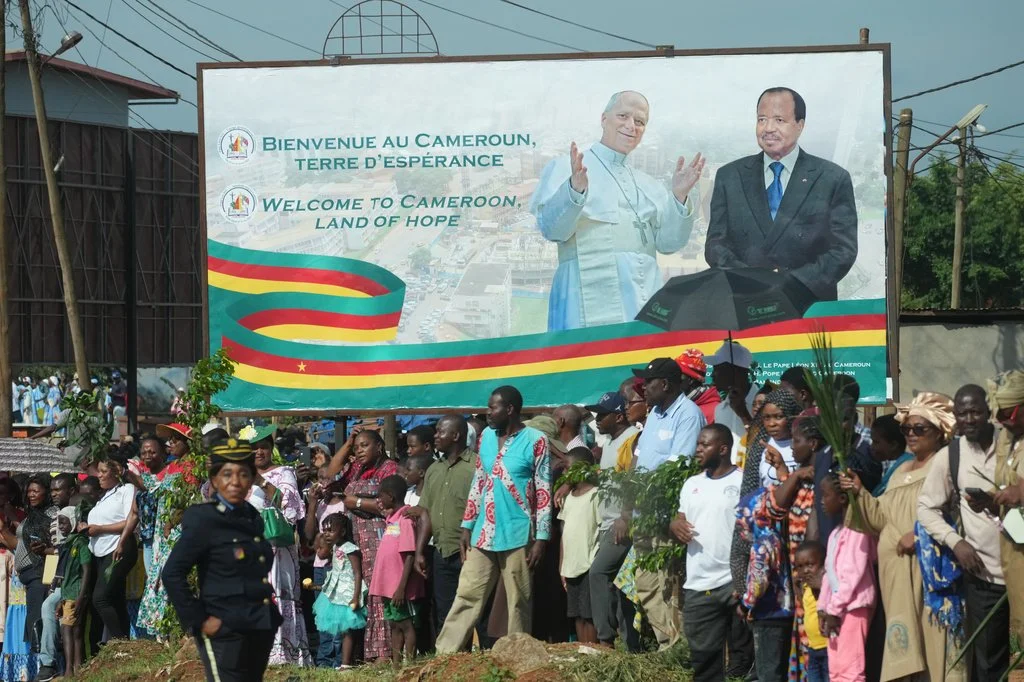
During Pope Leo XIV’s pastoral visit to Africa, Cameroon’s Anglophone crisis reached a ceasefire in anticipation of the Pope’s arrival. This halt in violence signals hope for the region and symbolizes the role of the Catholic Church in diplomacy.
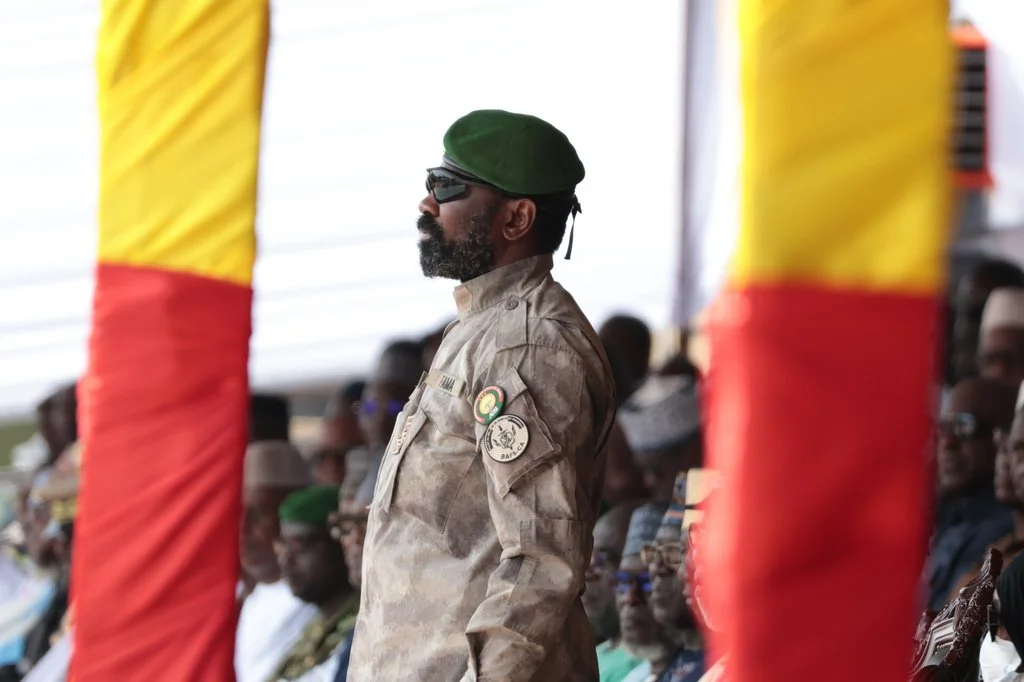
On April 25th, 2026, a series of coordinated attacks by Tuareg separatists and Al-Qaeda linked militants resulted in the killing of the Malian Defense Minister, General Sadio Camara. Further attacks were directed toward the Malian President, Colonel Assimi Goïta.
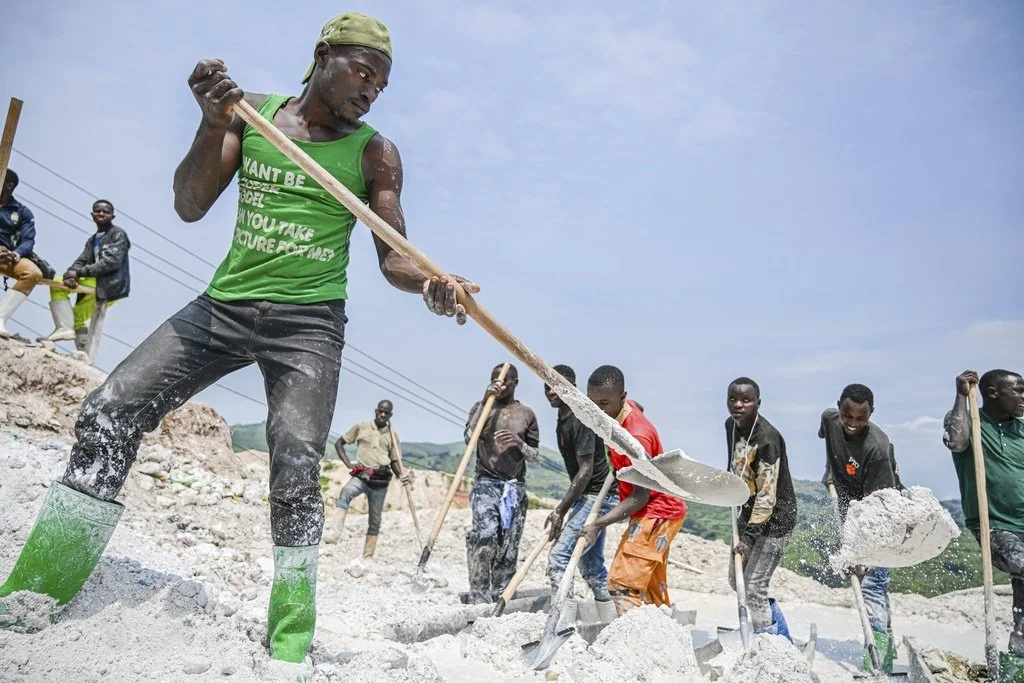
Precious minerals are abundant resources in Africa, driving nations to maximize revenue; with growing geopolitical polarization, this could signal a shift in ownership.
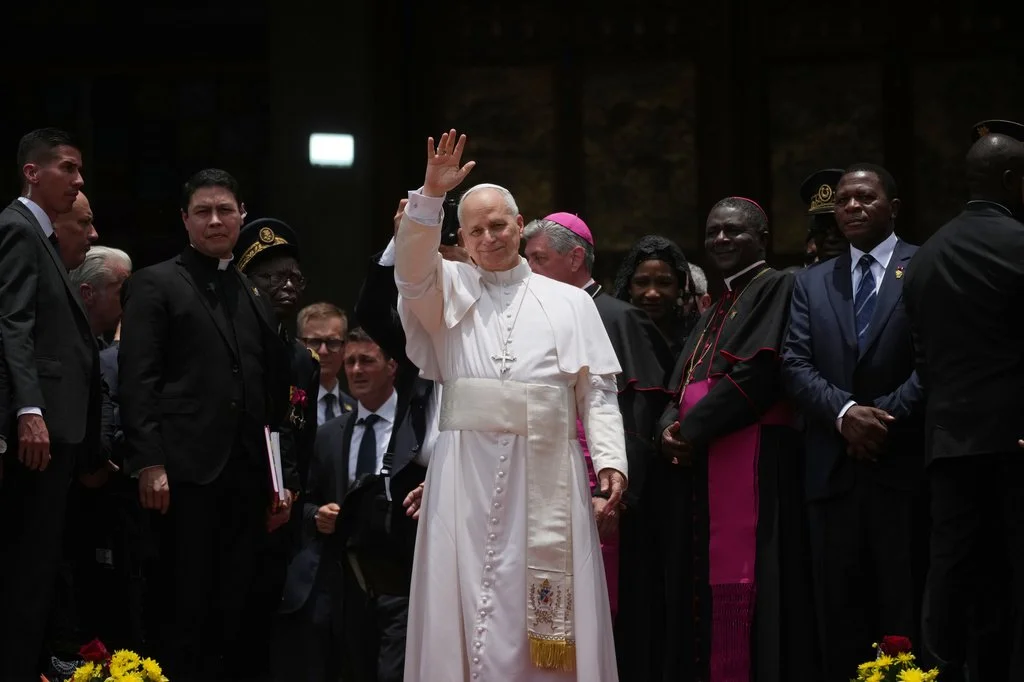
Pope Leo embarked on a tour of Africa on April 13, 2026, and was set to visit Algeria, Angola, Cameroon, and Equatorial Guinea.
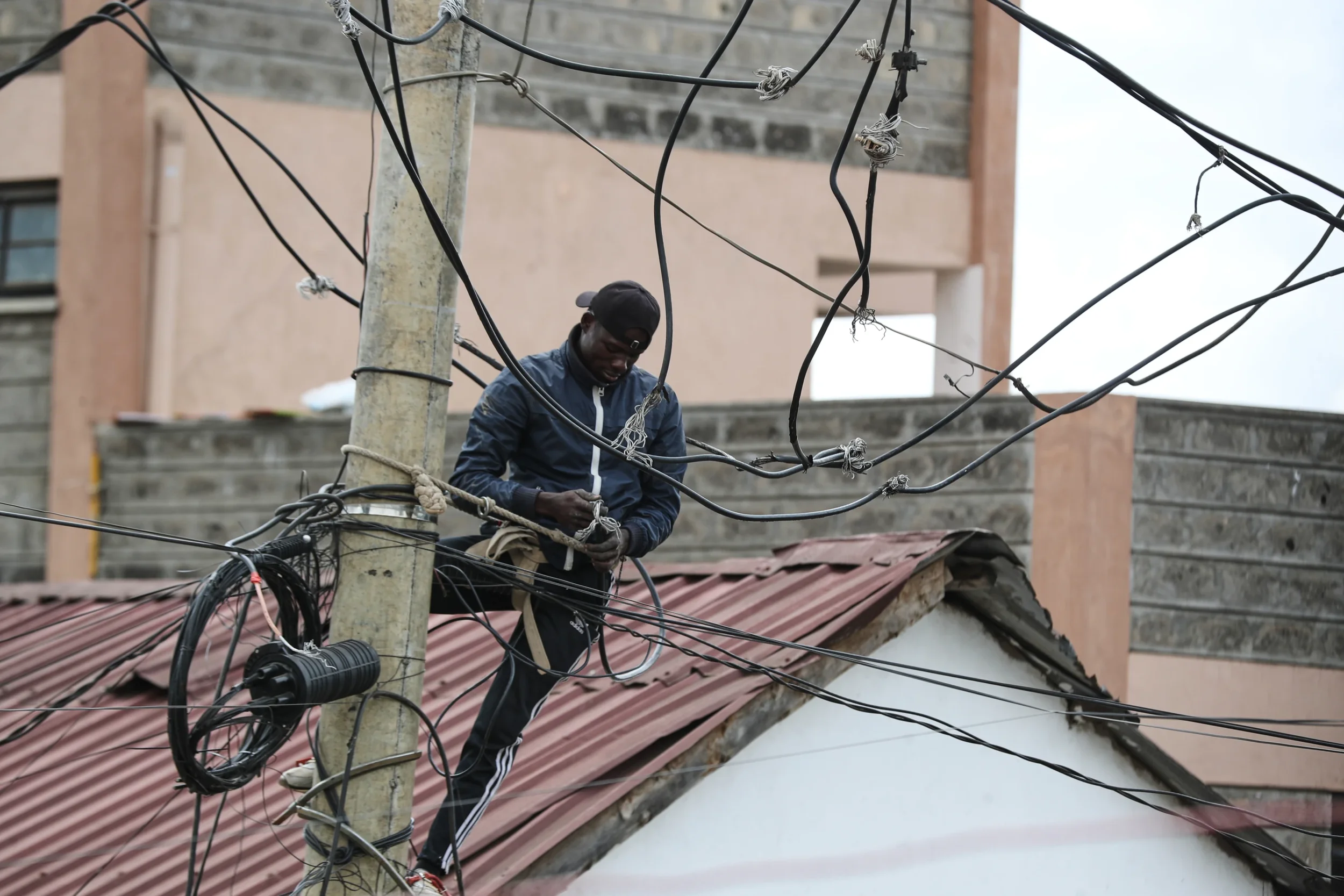
Governments across sub-Saharan Africa routinely miss their own budget targets—an IMF study shows why these gaps persist and how political incentives drive the cycle.
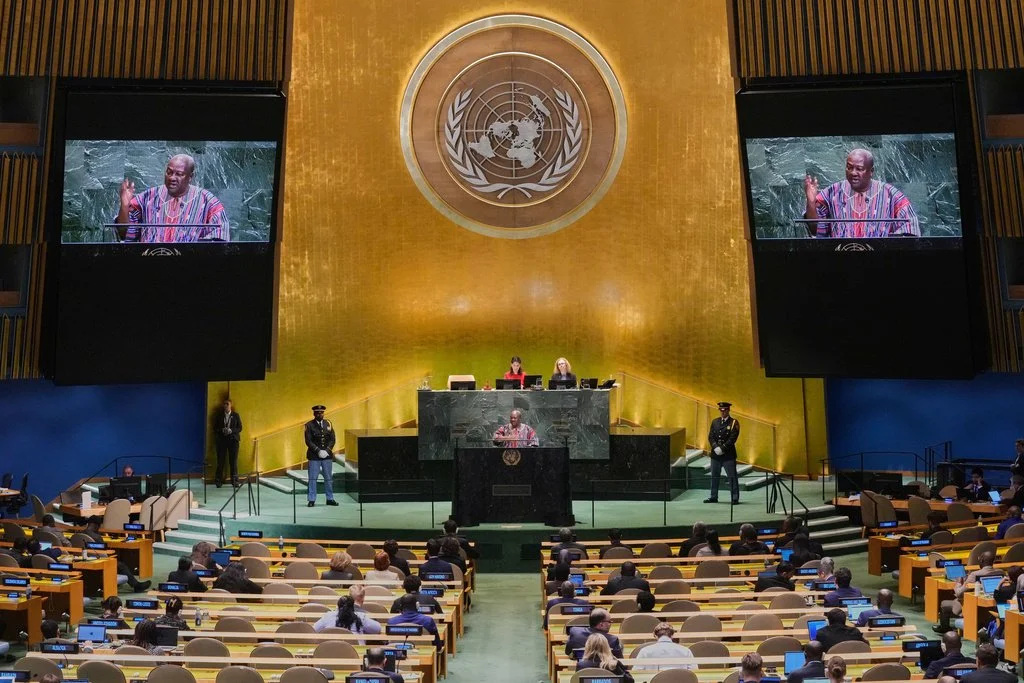
The resolution recognizing the enslavement of African people as the “gravest crime against humanity” was proposed by Ghana and passed in a 123 to 3 vote, with 52 nations abstaining.
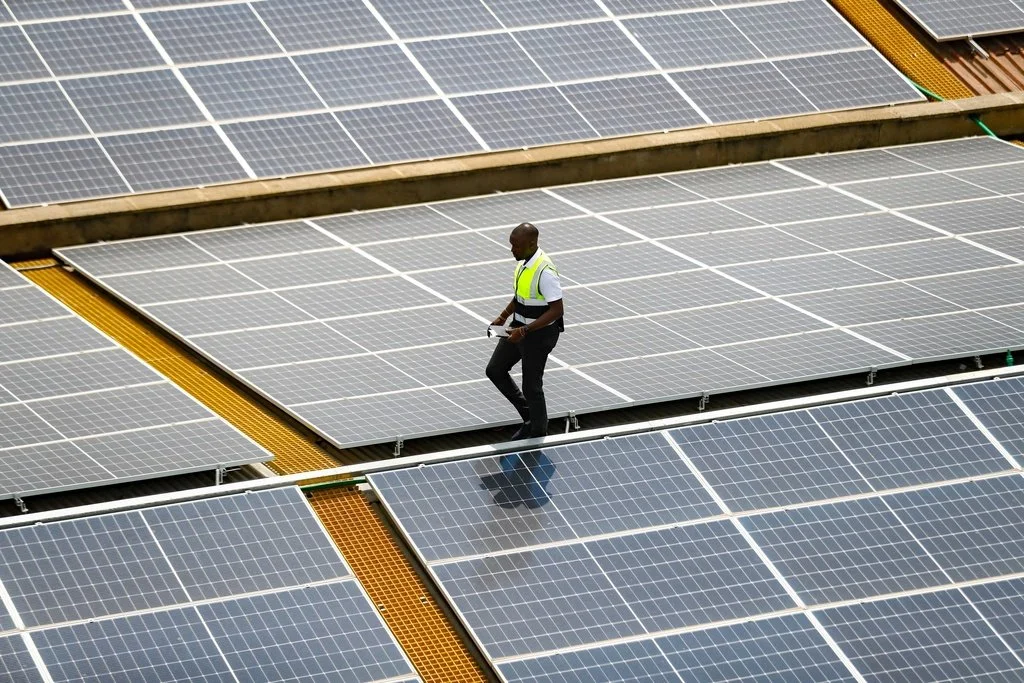
With growing investment and expansion, two East African nations: Ethiopia and Kenya have are two engines promoting success regionally and internationally, leading to a growth rate more than double the global average.
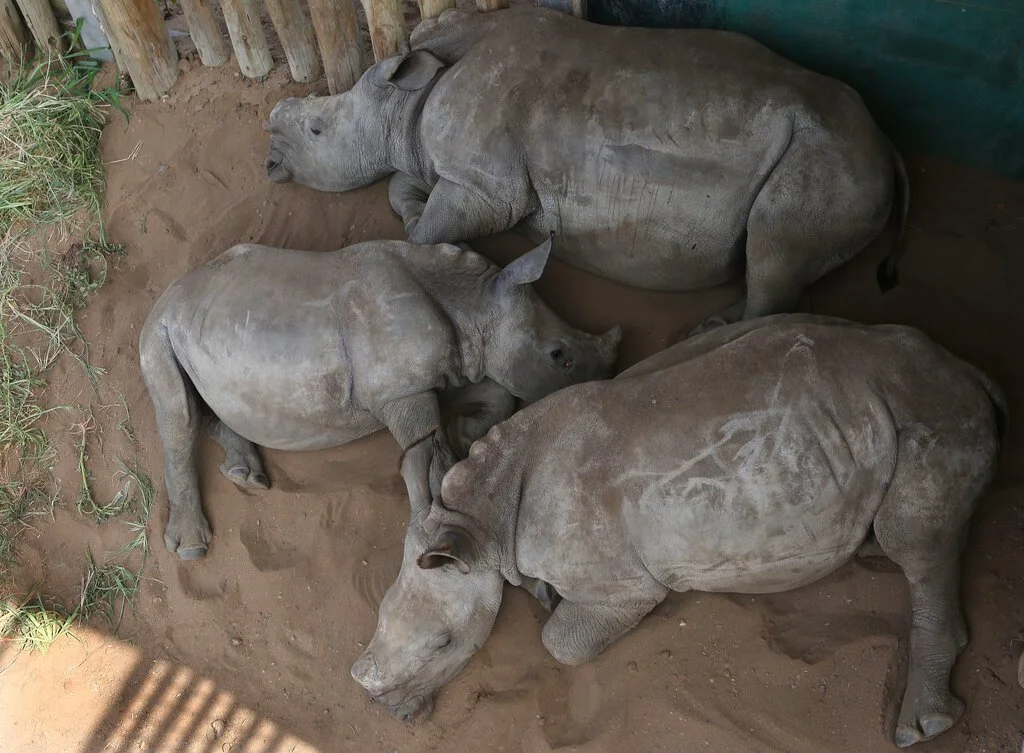
This marks a milestone for Uganda’s wildlife conservation practices while shedding light on current and future conservation methods throughout the African continent.
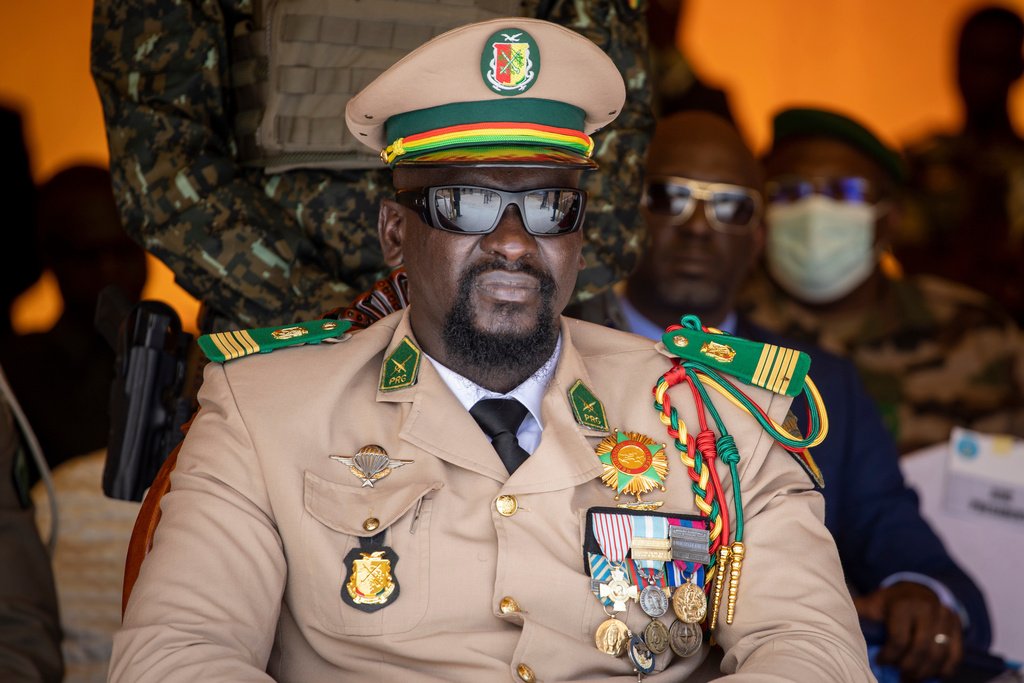
Guinea’s military-led government has dissolved 40 of the nation’s political parties, further consolidating government power while echoing a growing trend in the Sahel region.
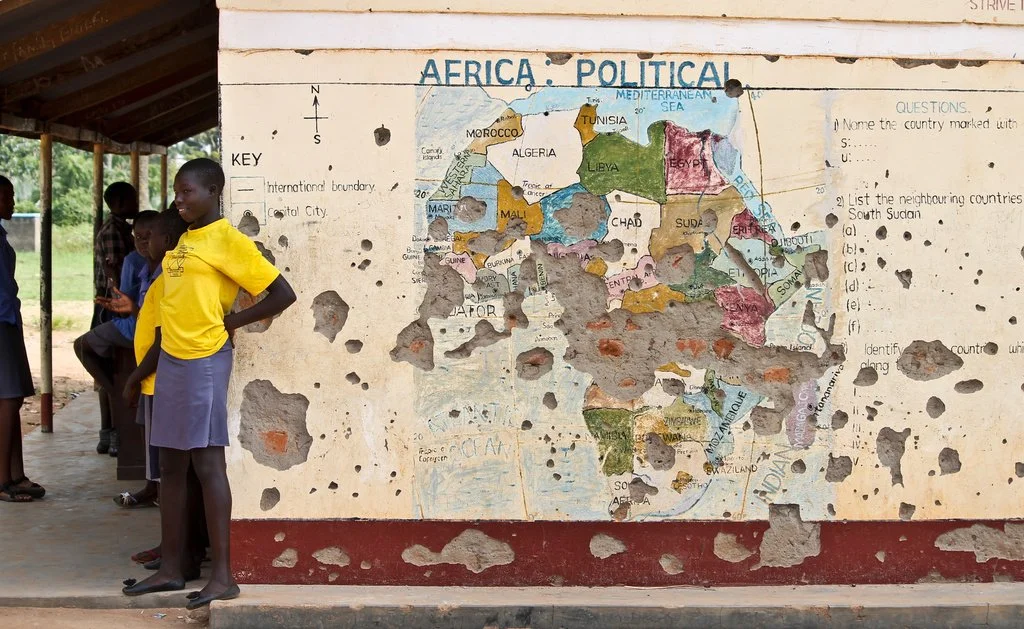
Many are worried following the attack on Abiemnom County that South Sudan will be catapulted back into a civil war.
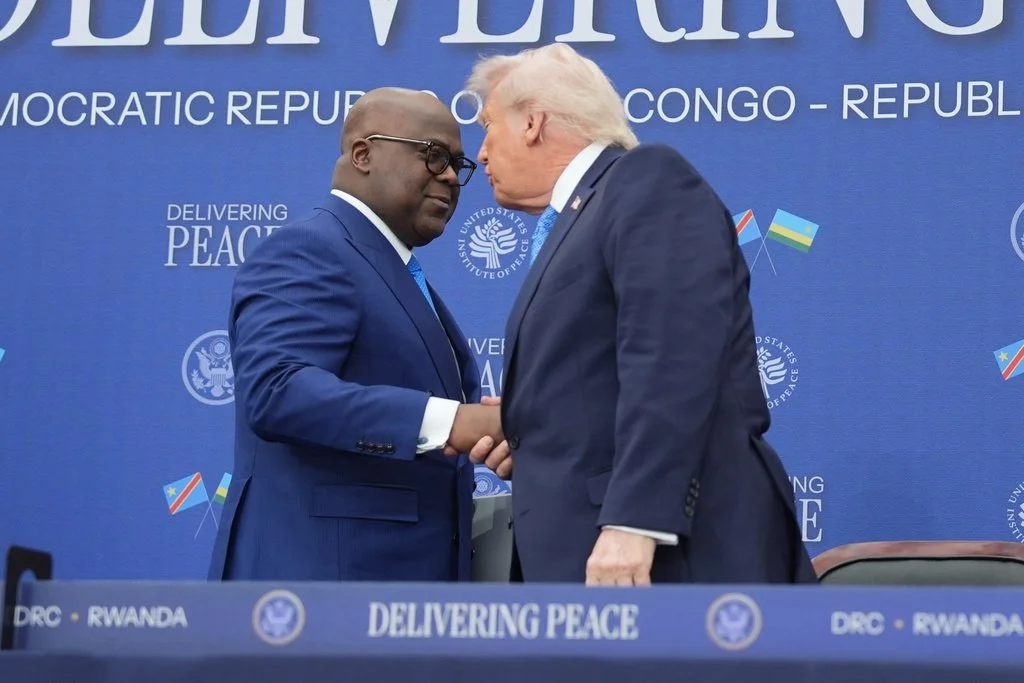
Backlash grows as U.S.-African health deals raise questions about lack of mutual benefits.
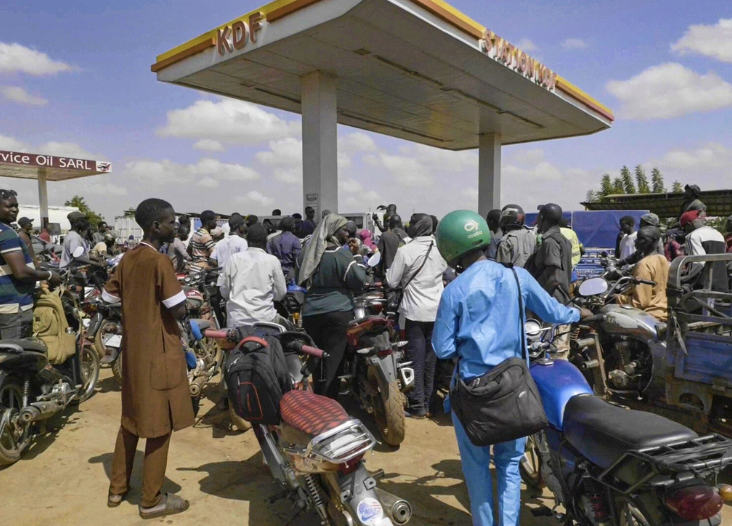
Mali, a country of 25 million people, has faced a weeks-long fuel shortage due to a blockade on fuel imports by jihadi militants. Daily life in Mali has been deeply disrupted, with basic necessities such as medical services having their services disrupted due to a lack of fuel.

Sudan's paramilitary group, Rapid Support Forces, seized El-Fasher, a city in southwestern Sudan that was the Sudanese Armed Forces' last stronghold in the Darfur Region. Since seizing El-Fasher, the RSF has begun a campaign of systematic mass killings in the city and its surroundings.

The People's Party for Reconstruction and Democracy, founded by former DRC president, Joseph Kabila, has been suspended by the government for their alleged support for the M23 rebel group.

As part of its battle for power against the Western world, under Vladimir Putin’s leadership Russia has turned to developing nations to extend his influence.
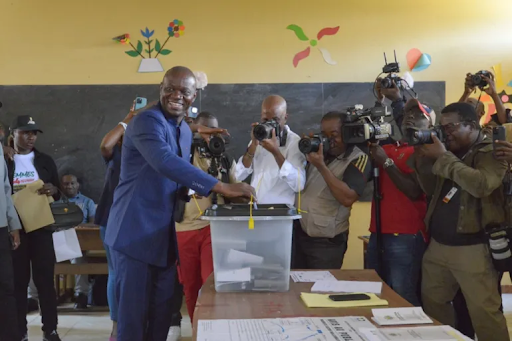
April 12, 2025 Gabon election shows previous coup leader General Brice Oligui Nguema to become Gabon’s new elected president. Having won over 90% of votes, many look to him to create a Gabon free of corruption and for a better economy, while others question his character.

The death toll in Nigeria is rising after a meningitis outbreak in January. The response to the spreading disease has been seriously hindered after the cutting of USAID programs.
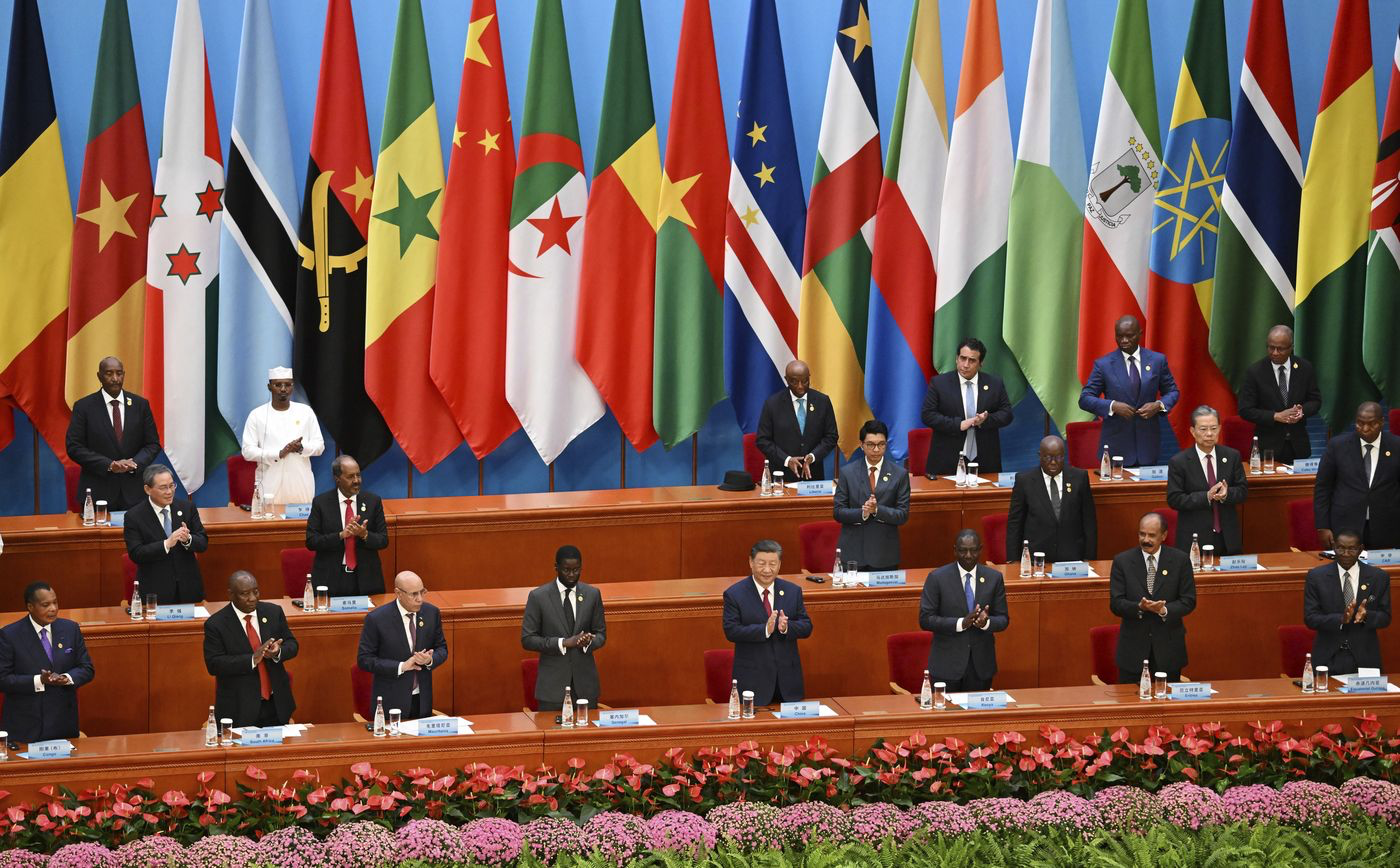
China’s investments in poorer countries have long been subject to critique, many of which increasingly target Africa. The question is, are these loans beneficial or hurtful to the nations?
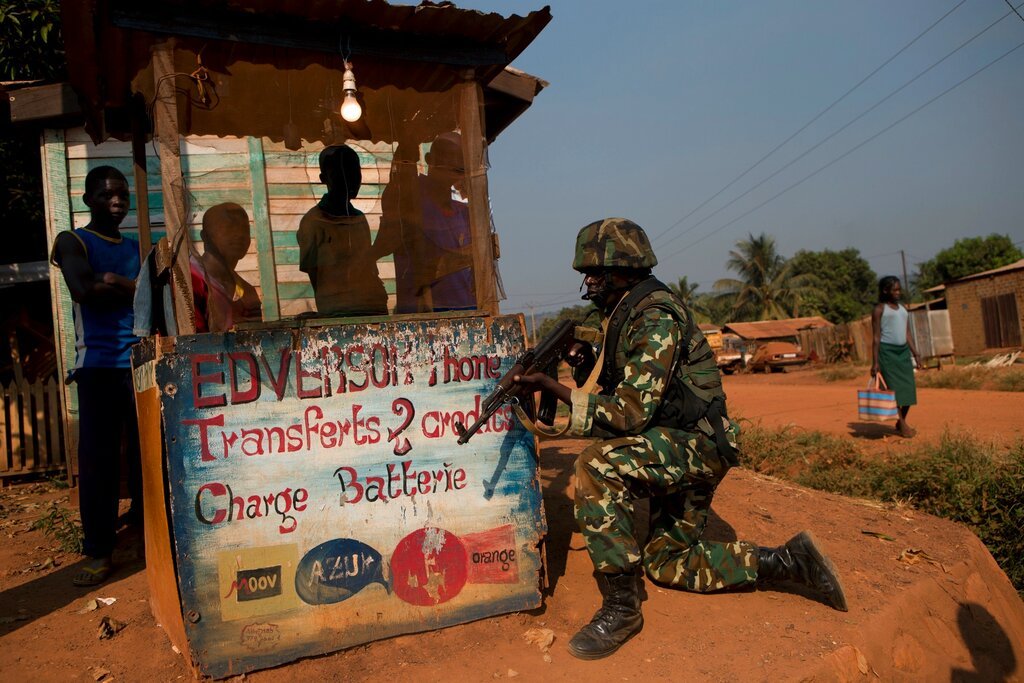
On Saturday, March 29, the United Nations condemned the killing of a Kenyan peacekeeper in the east of the Central African Republic. The peacekeeper, a Kenyan soldier serving with the UN stabilization force in the southeast of the country, was killed in an ambush of a patrol group.

Throughout October 2024, protests against “galamsey,” a local term referring to the illegal mining of gold, swarmed Accra, Ghana’s capital. On Oct. 11, hundreds marched to protest the practice.
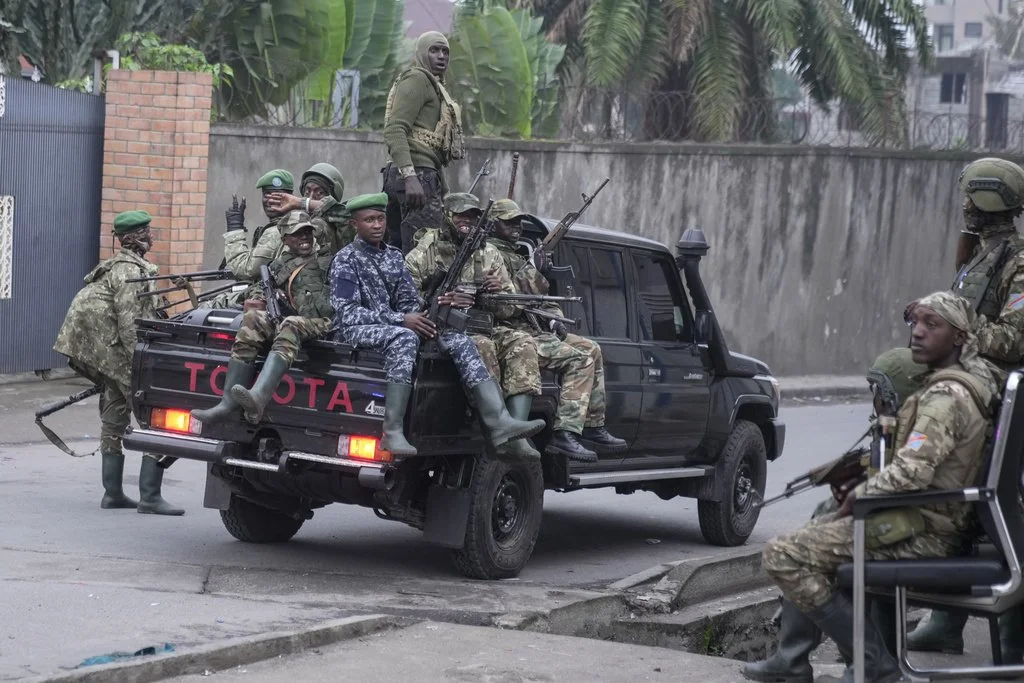
As conflict continues in the Democratic Republic of the Congo, the death count once again rises.With more violence in Goma, including a shooting in a hospital, questions remain about the future of the peace talks.

On Friday, March 7, a crew member was killed and two others injured on a United Nations helicopter when it was attacked by gunmen.

On Thursday, March 13, African leaders announced the withdrawal of thousands of troops from the Democratic Republic of the Congo. The troops, sent from South Africa, Tanzania, and Malawi, were deployed under the name of the Southern African Development Community (SADC), a bloc of Southern African countries aimed at bettering the region’s development, economy, and recently peacekeeping operations.
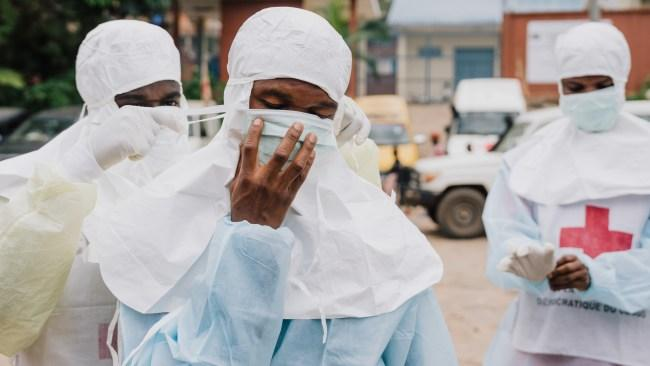
A mystery illness is spreading throughout the DRC, having killed 60 people so far, presenting a significant public health threat.
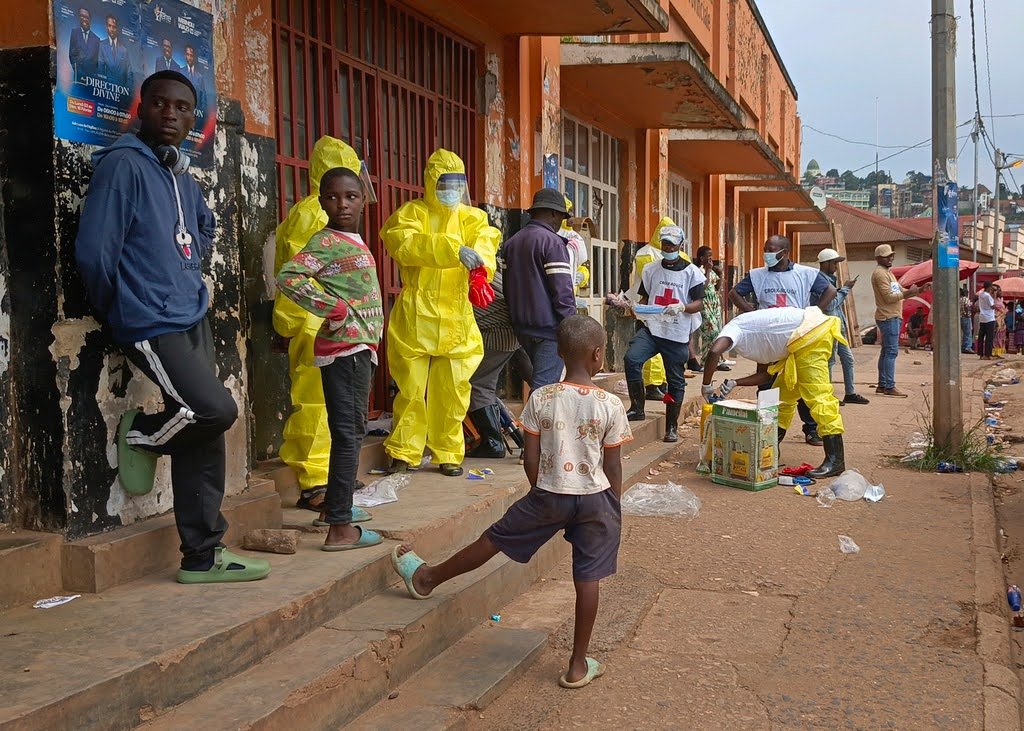
Decades of conflict in the Democratic Republic of Congo (DRC) reached new levels when M23 rebels invaded the city of Goma. After the invasion, concerns of human rights violations rose as the militia group was accused of executing children, among other atrocities.

The Rwandan-backed rebel group has gained territory in the DRC’s second largest city, resulting in red flags being raised on human rights concerns.
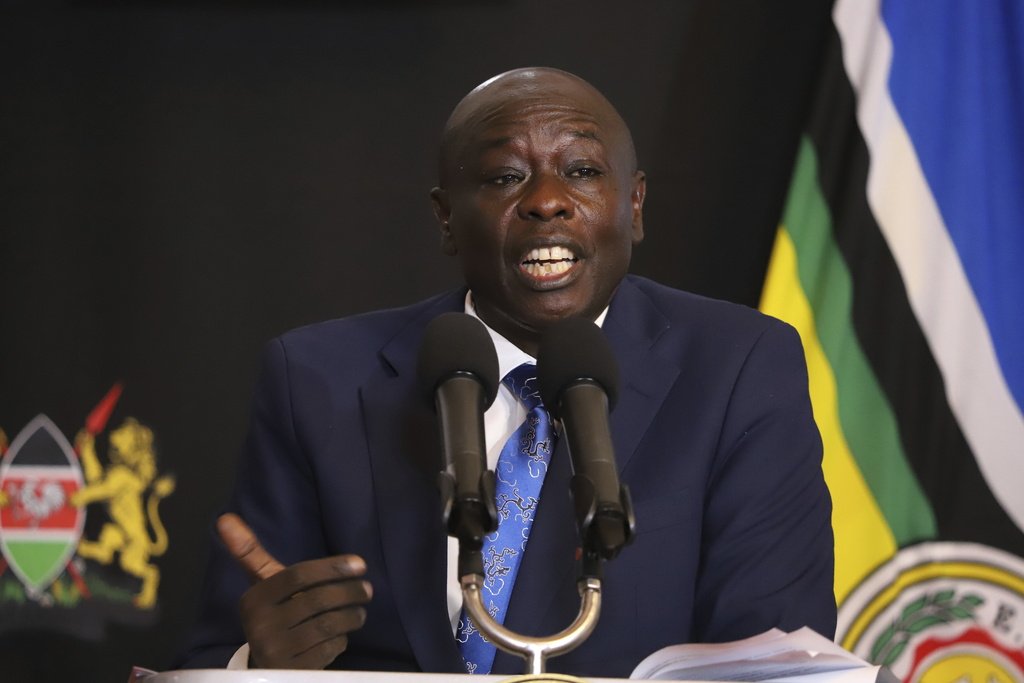
On Thursday, Oct. 17, 2024, the move to impeach Kenyan deputy president Rigathi Gachugua passed in the nation’s Senate, making Gachagua the first Kenyan president/deputy president impeached since the adoption of the new constitution in 2010.
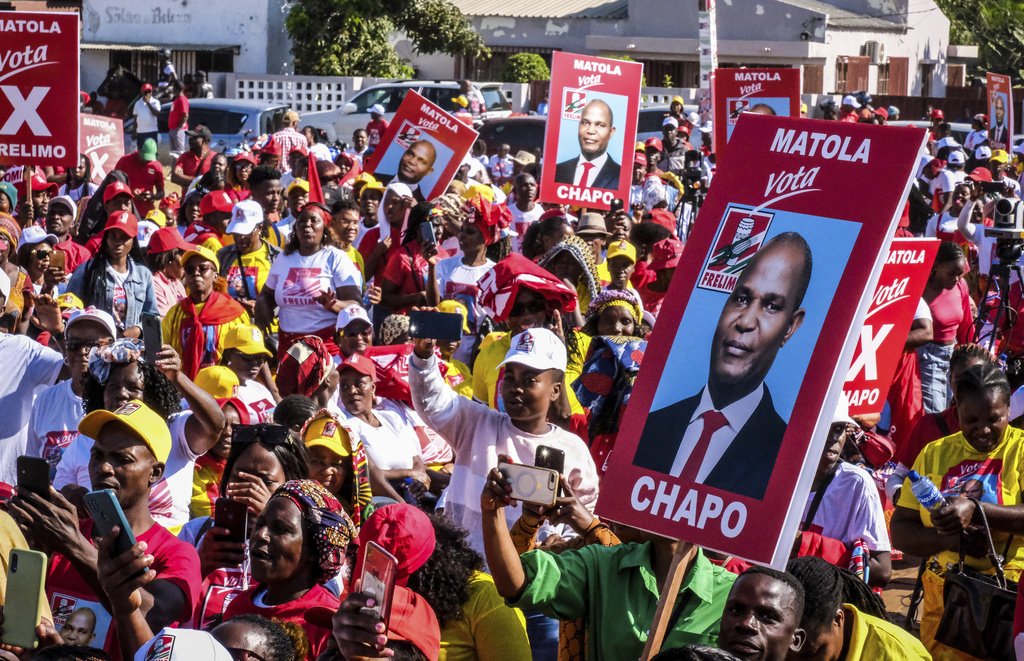
Mozambique held its national election Wednesday, Oct. 9, and is on course to be one of the most influential elections since the country gained independence in 1975.

Since the Russian invasion of Ukraine, Russian ship fleets have turned to countries outside of the Western economic world to dodge increasing sanctions and oil caps.
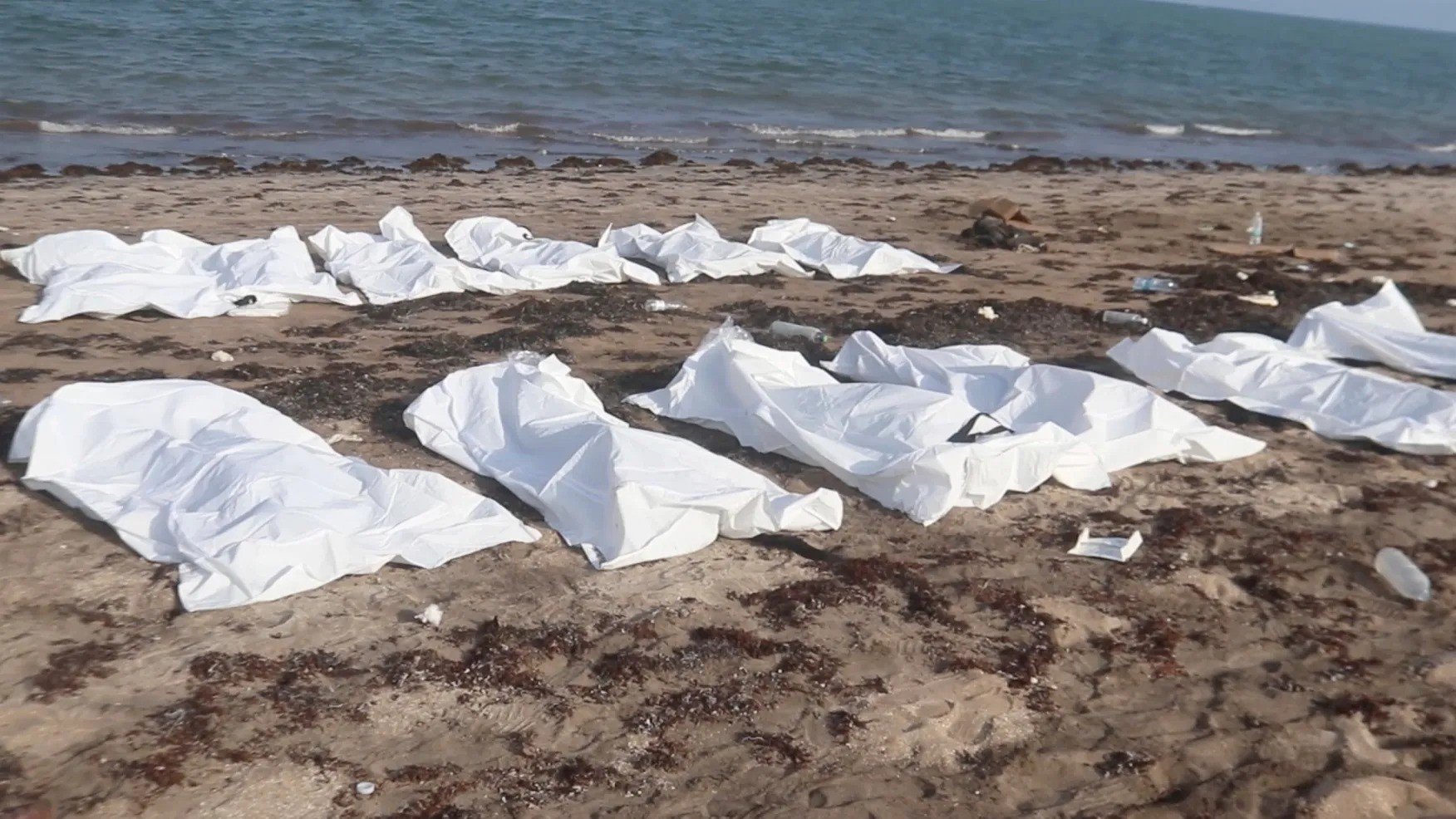
Tuesday, October 1st, 2024, a migrant boat departing from Yemen carrying 310 people sank off the coast of Djibouti; 45 are confirmed dead, with many more still missing. This tragedy brings the ongoing migrant crisis across the Red Sea between the eastern horn of Africa and the Middle-Eastern Gulf States to the foreground. In April 2024, at least 38 people died crossing the sea, and in June, 49 more.
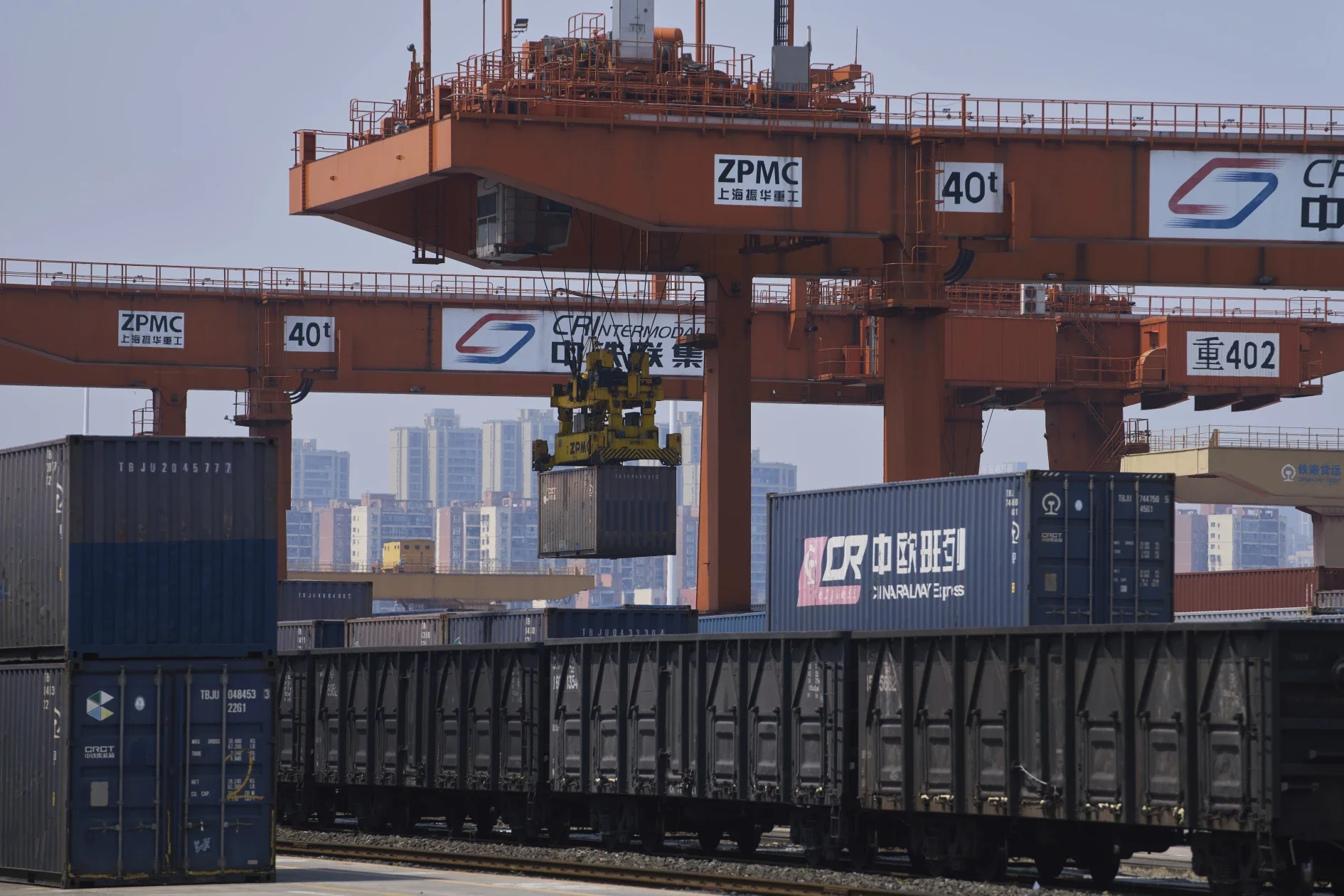
Super Micro Computer faced indictment by the DOJ for failing to disclose the $2.5 billion in illegal shipments of American AI technology to China.

Silicon Valley is waking up with a $700 billion hangover. What appeared to be a genius strategy to evade tariffs in late 2025 by stockpiling AI hardware before a new wave of aggressive tariffs has seemingly turned into a front-loading trap that threatens the already fragile global economy.
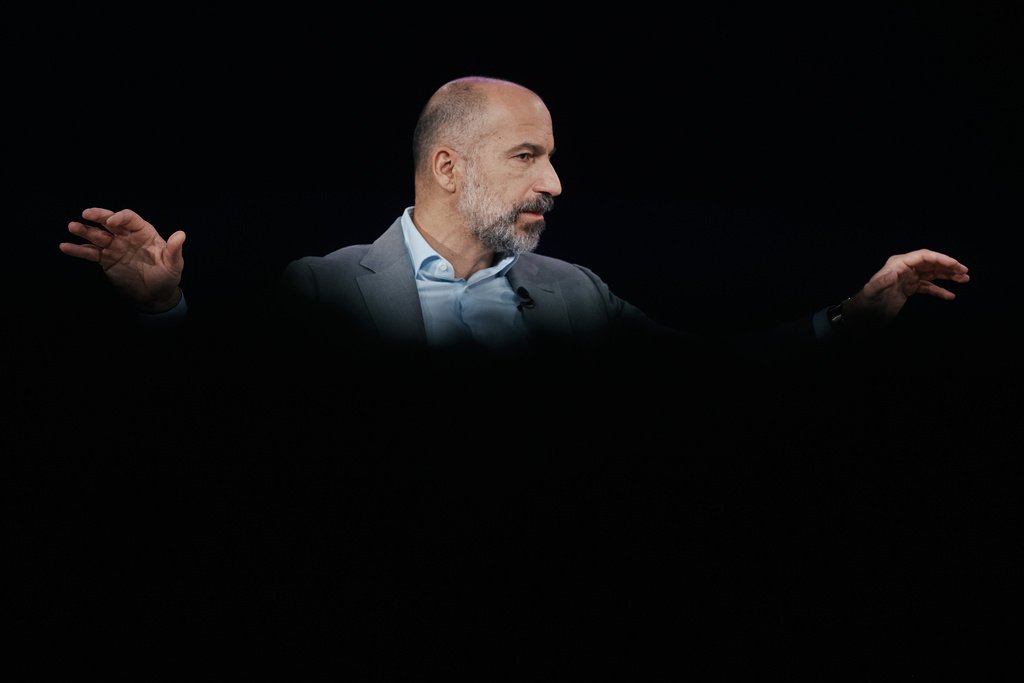
As tensions with Iran rise, fears once aimed at foreign tech firms like TikTok may shift toward Iranian-American innovators.

Pakistan’s steep import taxes and PTA registration rules were meant to control the smartphone market. Instead, they created a booming underground one.
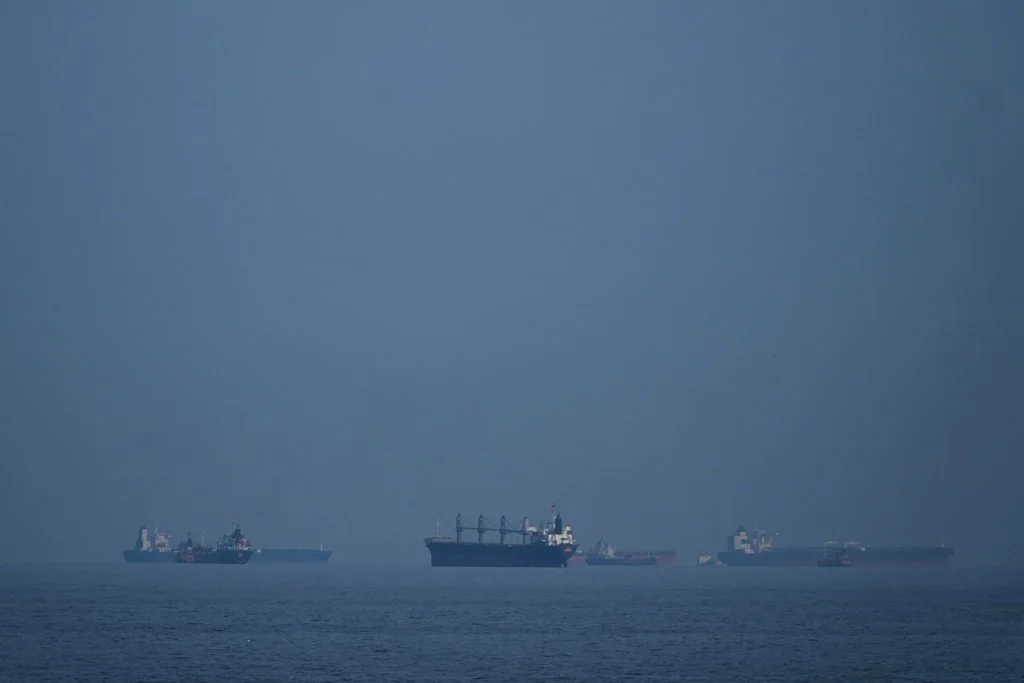
Growing oil prices are causing headwinds in all sectors of the economy, undermining the spending reliefs of the One Big Beautiful Bill

America is racing back to the Moon on a fraction of Apollo’s budget, while China is rapidly closing the gap. At stake is dominance in space, and potentially on Earth as well.
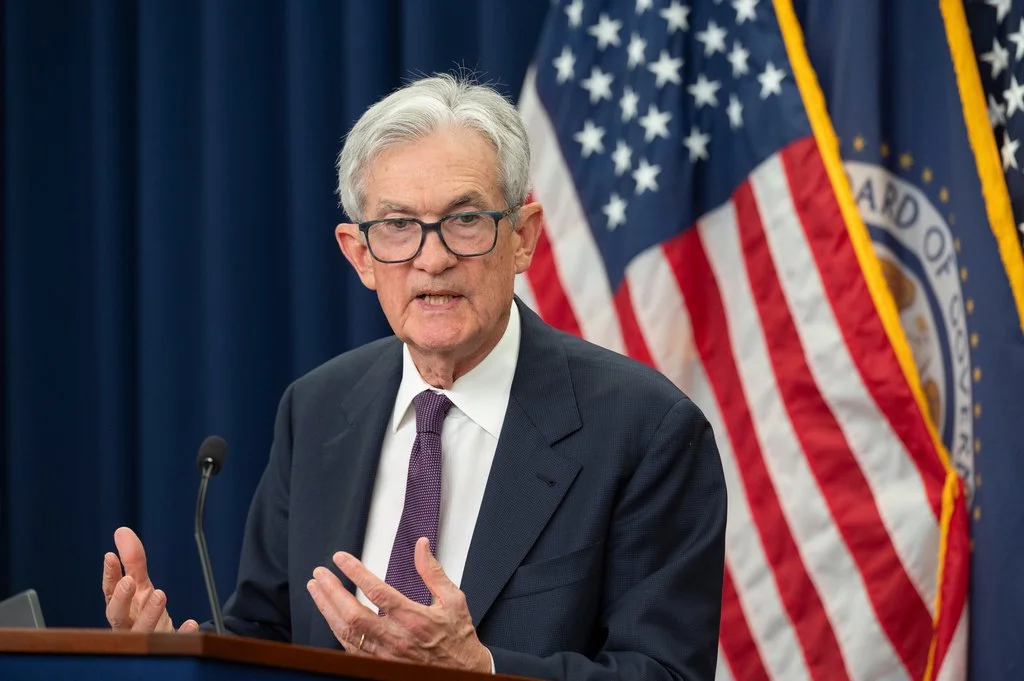
As inflation remains sticky and oil prices rise amid the Iran war, the Federal Reserve faces pressure to delay rate cuts even as Trump calls for cheaper credit. The Federal Reserve may have slowed inflation, but finishing the job is proving far more difficult—and far more divisive.

From debt to tariffs to ICE raids, American farmers were already in crisis. The Iran war’s closure of the Strait of Hormuz has only intensified the strain.

The Artemis II Crew, NASA astronauts Reid Wiseman, Victor Glover, Christina Koch, along with Canadian Space Agency astronaut Jeremy Hansen, made history on Monday, April 6, becoming the first people to travel 252,756 miles from Earth. During a planned 40-minute communications blackout with NASA, they completed their lunar flyby, also becoming the first people to observe certain regions of the far side of the Moon.

Artemis II splashed down on Friday, April 11, 2026, concluding a record-breaking mission that brought the Canadian-American alliance to new heights. Serving as Artemis II’s Mission Specialist, astronaut Jeremy Hansen became the first Canadian, and first non-American, to participate in a lunar mission, marking a lighter moment in U.S.-Canadian relations. These ties have been strained under U.S. President Donald Trump amid ongoing trade tensions between the two countries.
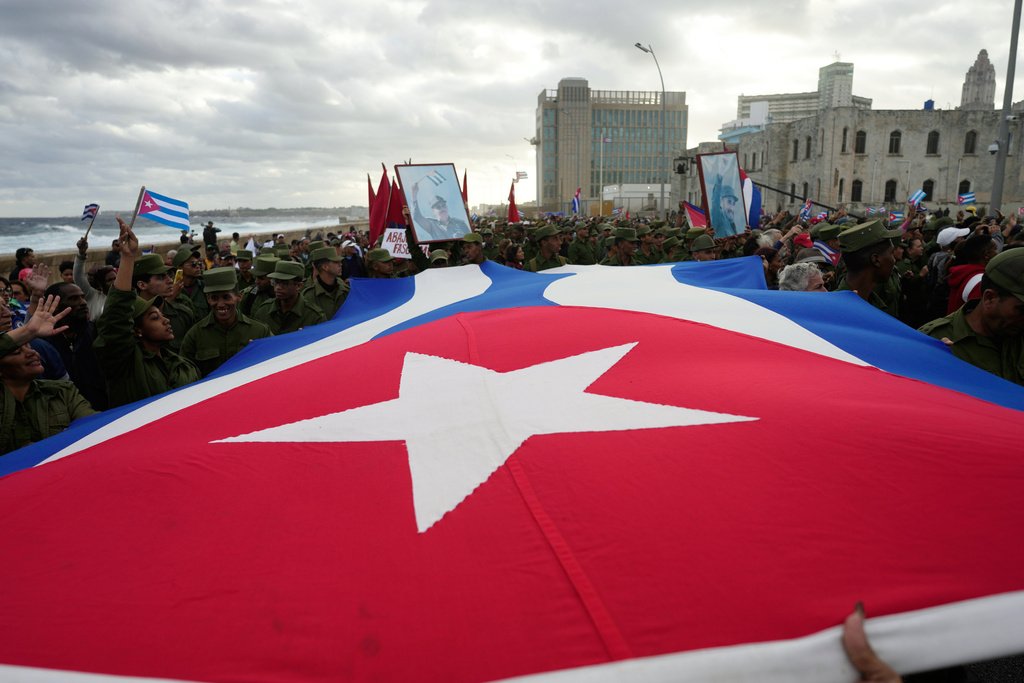
After losing key oil lifelines, Cuba faces a White House pressure campaign that has exposed Washington’s regional reach; Havana has answered with concessions and calls for dialogue, but Democratic pushback and Trump’s Iran standoff have complicated what comes next.
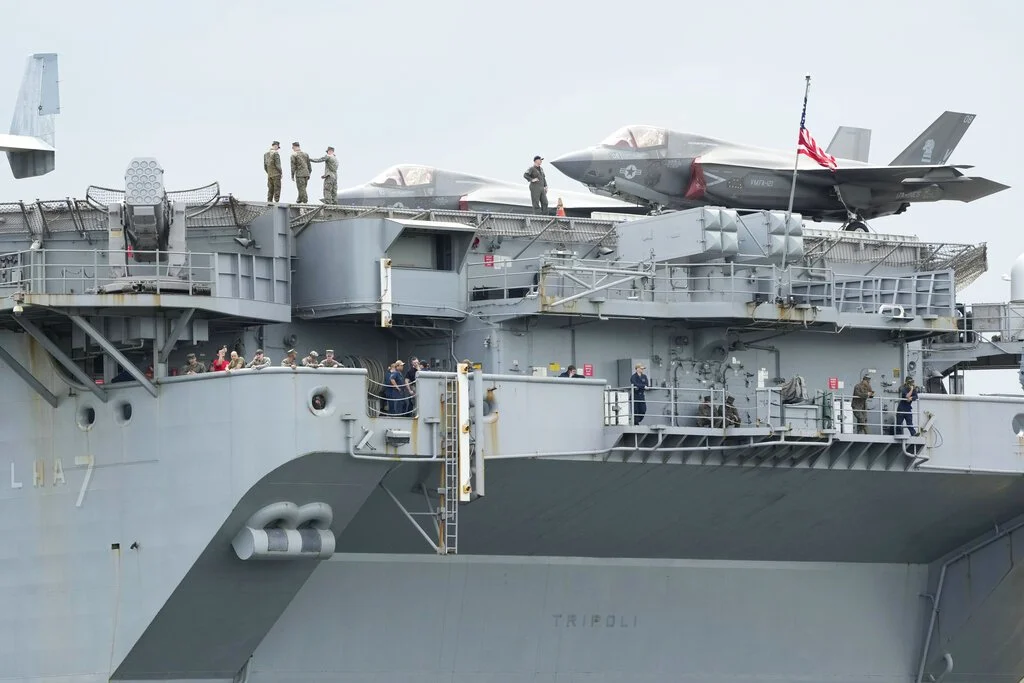
The war in Iran continues to escalate as two Marine Expeditionary Units, aboard the USS Tripoli and the USS Boxer, sail towards the Middle East. Together, these deployments will add approximately 5,000 troops to a regional buildup that already includes the 82nd Airborne Division and the USS Abraham Lincoln. This growing U.S. presence comes amid mounting questions of U.S. war crimes in the United Arab Emirates, Bahrain, and Kuwait, as Washington struggles with relocating troops against Iranian drone attacks.
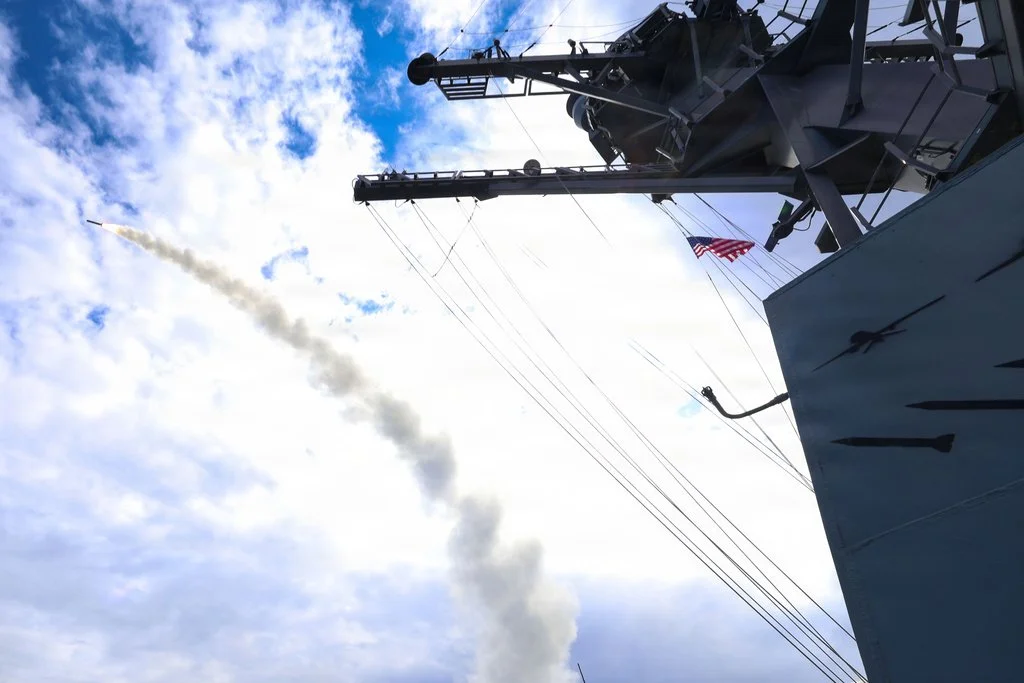
The administration claims that its strikes have significantly degraded Iran’s military capacity. But as long as Tehran can pressure oil flows and shipping in the Strait of Hormuz, Washington faces a more difficult test: how much economic pain can the United States absorb before it turns toward de-escalation? The central question is not simply how many more sites the United States can hit or how many more commanders Iran can lose. It is whether military pressure can achieve political results without a ground war, or whether the economic blowback to the United States will force Washington toward a deal first.

Chinese-American freestyle skier Eileen Gu’s decision to represent China instead of the U.S. was met with significant backlash, though she is only one of many athletes who chose to represent another nation in past Olympics.
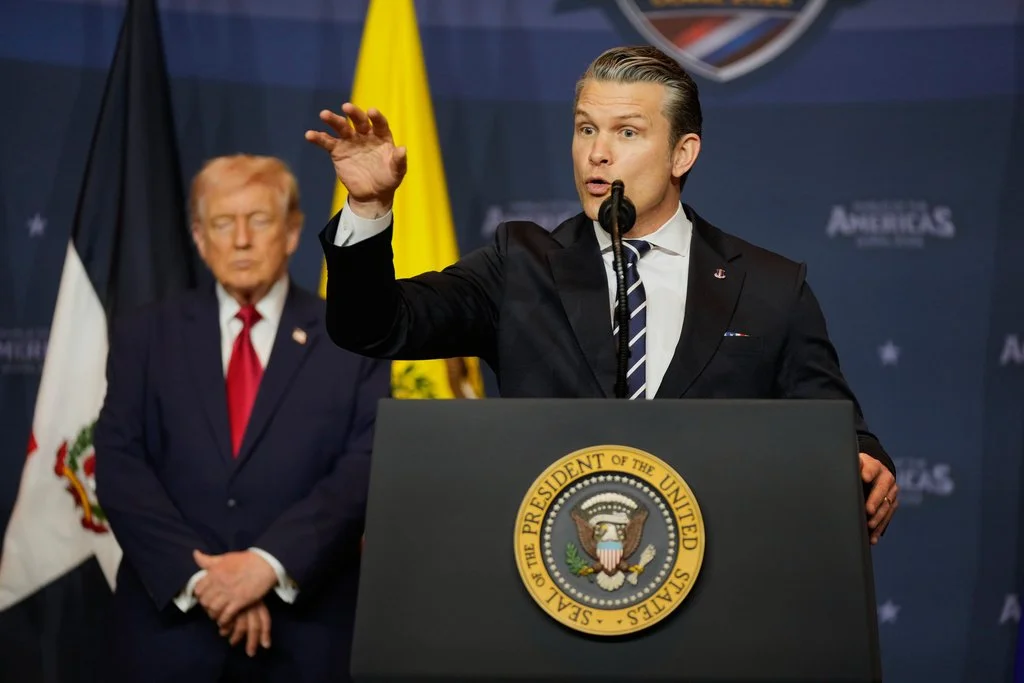
After Anthropic refused to remove safety guardrails from its AI systems, the Pentagon labeled the company a “supply-chain risk,” which is setting off a legal battle that could shape how AI is used in national security.
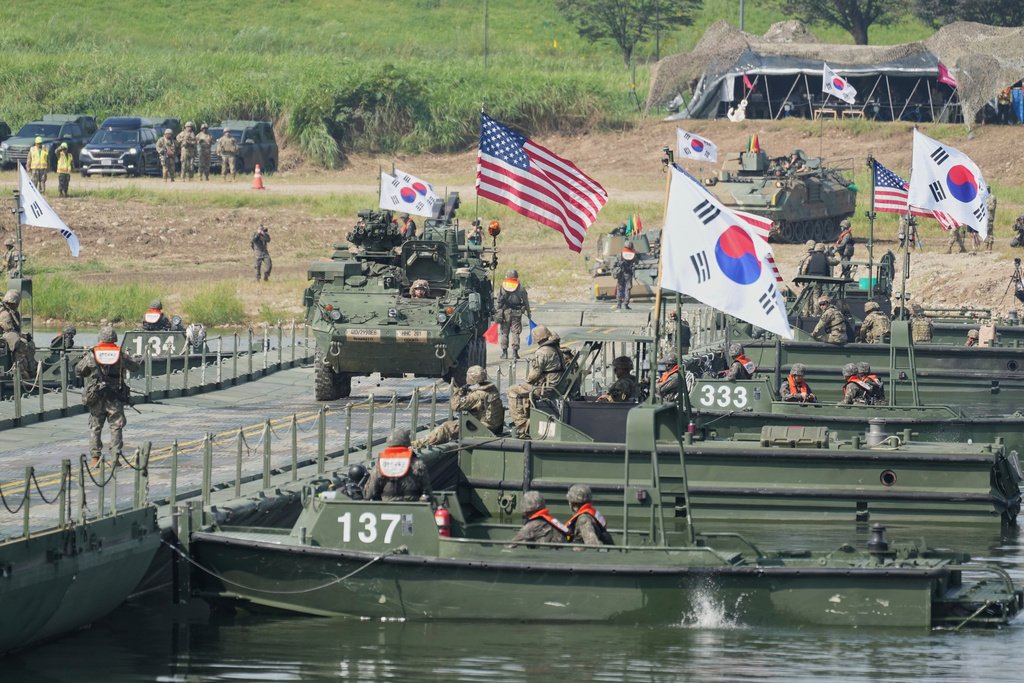
As the US and South Korea’s Freedom Shield 26 exercise is underway, speculation and unease are mounting over whether the conflict with Iran could distract from the US military’s force posture in the region.
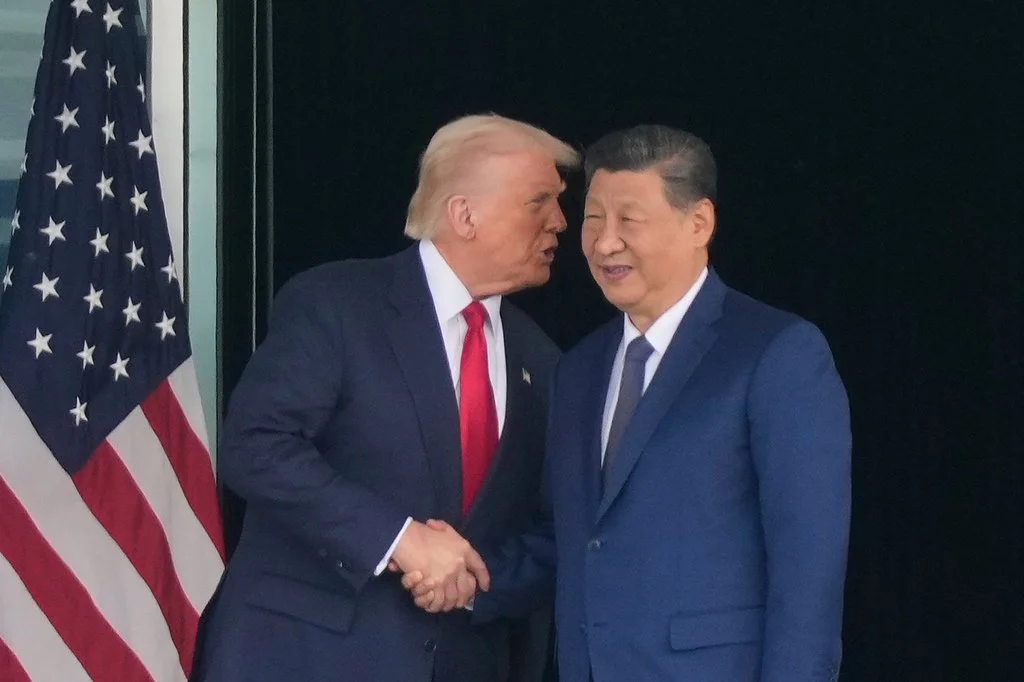
U.S. and Chinese officials plan a mid-March meeting in Paris before President Donald Trump’s March 31-April 2 trip to China. Beijing’s arms red lines and the Iran conflict are tightening the window for deals.

The US Men’s Hockey Team’s post-win celebration in the locker room sparks political controversy on a global stage.

Due to the drastic change in U.S. policy, there’s been an increase in political protest both domestically and internationally.

Last week, President Trump re-introduced tariffs, 25 percent on both Canada and Mexico, fulfilling a key campaign promise. Just one day after these tariffs took effect, however, the president backtracked, saying he would give the two nations exemptions until April 2, 2025. The president commented that delaying the tariffs was a temporary step, adding that this exemption was a one-time decision.

Since the start of his second presidency, Donald Trump has been spreading Russian propaganda against Ukraine, on the behalf of Russia’s Vladimir Putin.

With their first meeting together taking place in 2017, Macron and Trump have a long history of friendly and assertive discussions. Now, Macron has returned to Washington to call upon European nations to focus on developing their independent security capabilities and to advocate for Ukraine’s sovereignty.

In March 2024, a short circuit in a cell at La Victoria National Penitentiary in Santo Domingo resulted in a fire, followed by an explosion that ultimately claimed the lives of 11 inmates.

Differences between the Biden and Trump administrations grow stark as the U.S. Secretary of State holds two high-stakes meetings in Saudi Arabia, including the most in-depth discussion with Russian Officials since Russia’s 2022 invasion of Ukraine.

U.S. Vice President JD Vance attends the Munich Security Conference, emphasising American dominance and ties to the far-right, unsettling European leaders.
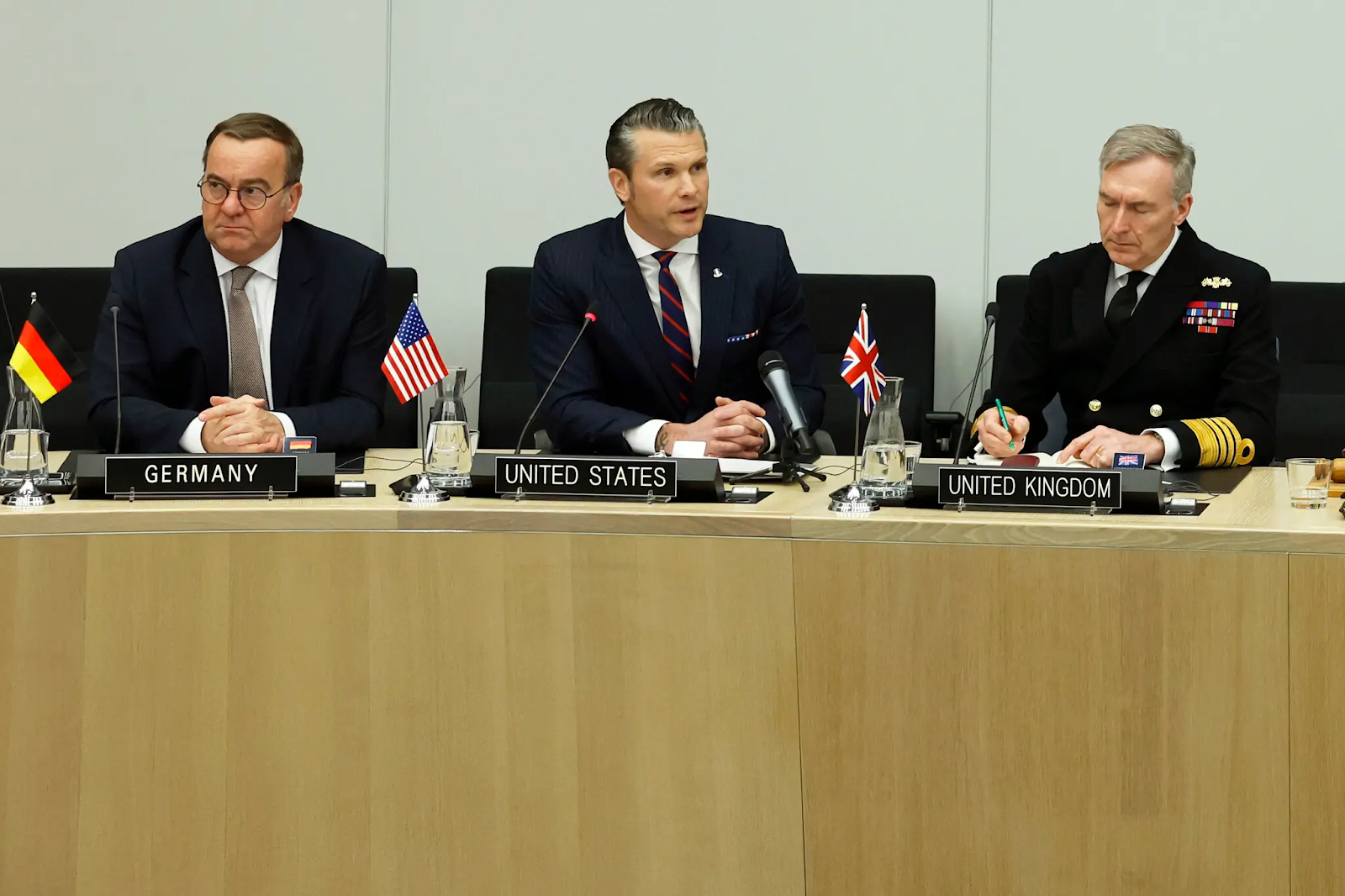
On Feb. 12, 2025, in Brussels, Belgium, US Secretary of Defense Pete Hegseth made his European debut by making questionable comments about Ukraine’s borders and the country’s potential NATO membership.

On Nov. 26, 2024, Israel and the Lebanese group Hezbollah agreed to a ceasefire between the two nations.

As the United States prepares for another Trump administration to assume power in 2024, the nation faces significant political shifts.

On Sunday, Nov. 24, 2024, the 29th United Nations Climate Change Conference (COP29) in Baku, Azerbaijan, reached an agreement to fund developing nations’ efforts to adopt clean energy and combat climate change through 2035.

Numerous protests have erupted in Jamaica’s tourism sector over complaints of underpayment, long hours, withheld tips, and a lack of job security.

In a time of uncertainty, the Biden administration is working to reassure allies across the globe that their relationships have the potential to remain strong.

As the United States’ 2024 election cycle ends, the international community braces for its potential outcomes. The implications extend beyond domestic policy, potentially shaping the resolution of conflicts involving Russia and Ukraine, Israel and Palestine, and Taiwan and China.

As Haiti’s situation deteriorates, the Federal Aviation Administration has introduced new restrictions on US flights to the nation’s capital, Port-au-Prince.

Just weeks before the 2024 election, the Justice Department’s National Security Division warned that the US may face a “multi-pronged” threat from Russia, Iran, and China.

European security has long depended on the United States, including its role in NATO, commitment to defense spending, and conflict involvement. In recent U.S. presidential elections, the prospect of a new administration has raised questions about potential shifts in defense strategies and budget priorities. This election features former President Donald Trump and Vice President Kamala Harris, each representing contrasting approaches to defense and NATO contributions.
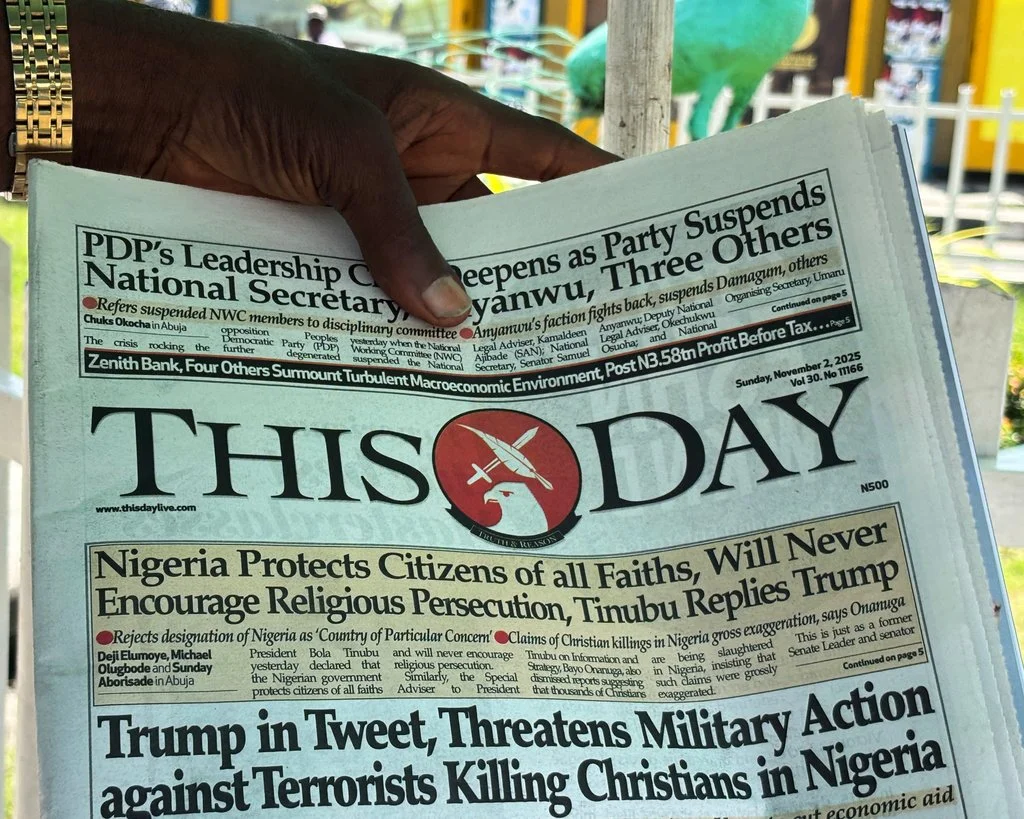
Political leaders such as President Donald Trump and Prime Minister Benjamin Netanyahu depict the evolving violence in Nigeria as a “Christian Genocide,” yet the politicization of this crisis risks fostering indifference, ultimately exacerbating the growing despair.
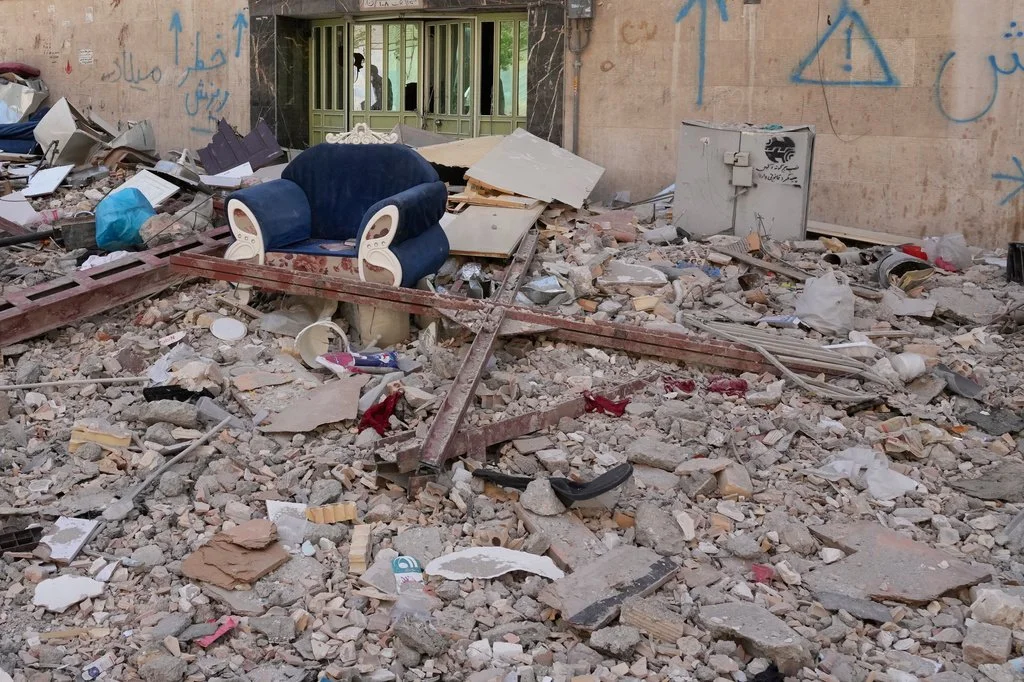
Violent wars have forced foreign refugees out of Iran and spurred mass migration movements towards surrounding Middle Eastern countries, which do not have the resources to accommodate them. What are the implications of such movements on regime strain?
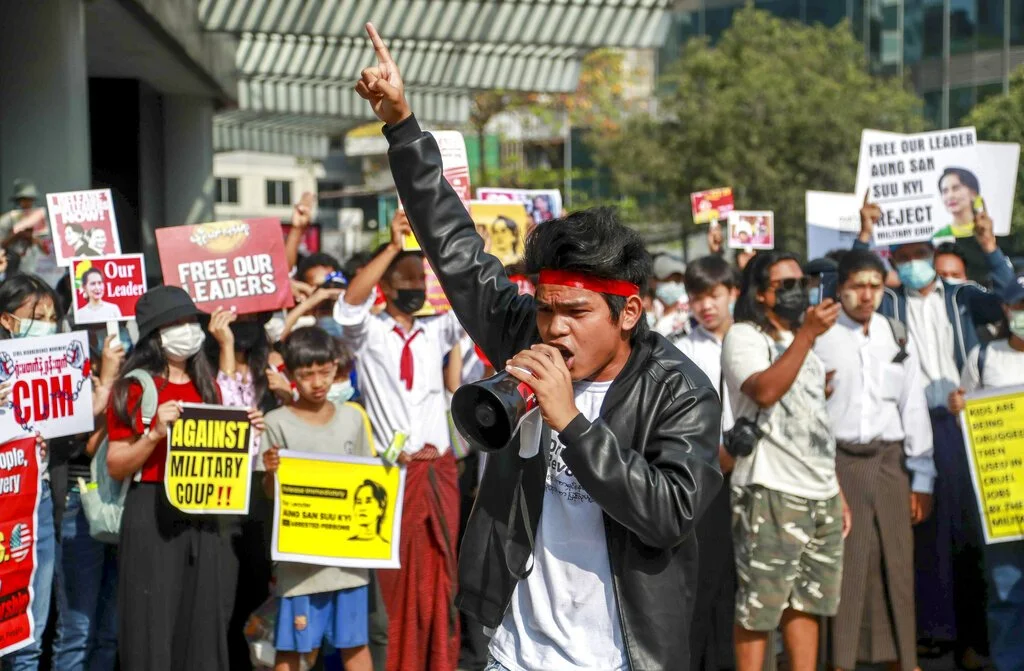
Telanor is facing a lawsuit on behalf of Myanmar citizens for allegedly sharing data with the Myanmar military following the 2021 coup. This case centers on the question of the role of corporate involvement in human rights abuse and whether they can be held accountable.
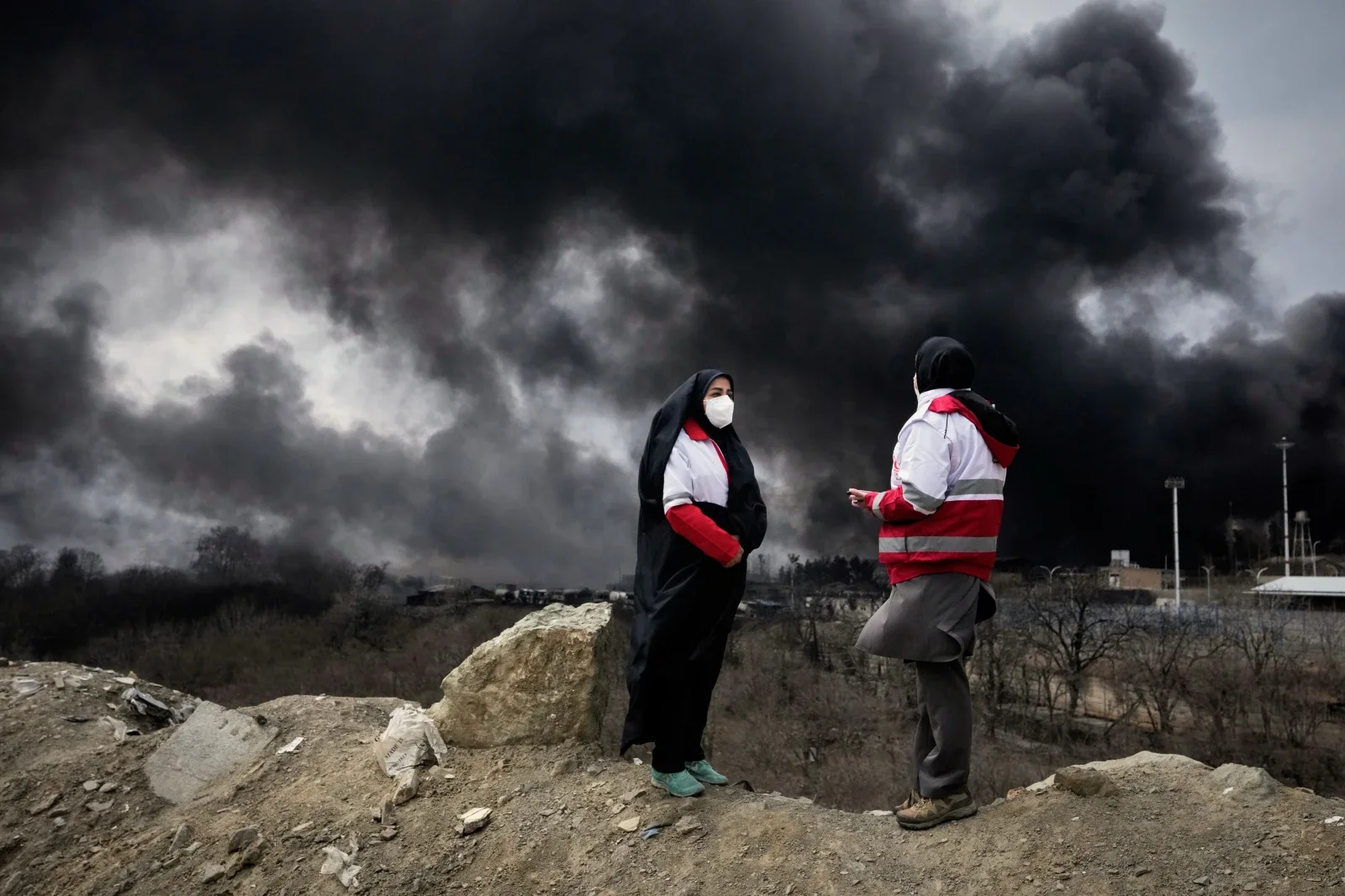
In a growingly digitized world, the usage of AI technology has proliferated within the humanitarian organization landscape specifically, but the apparent benefits of this technology have not come without parallel ethical concerns.
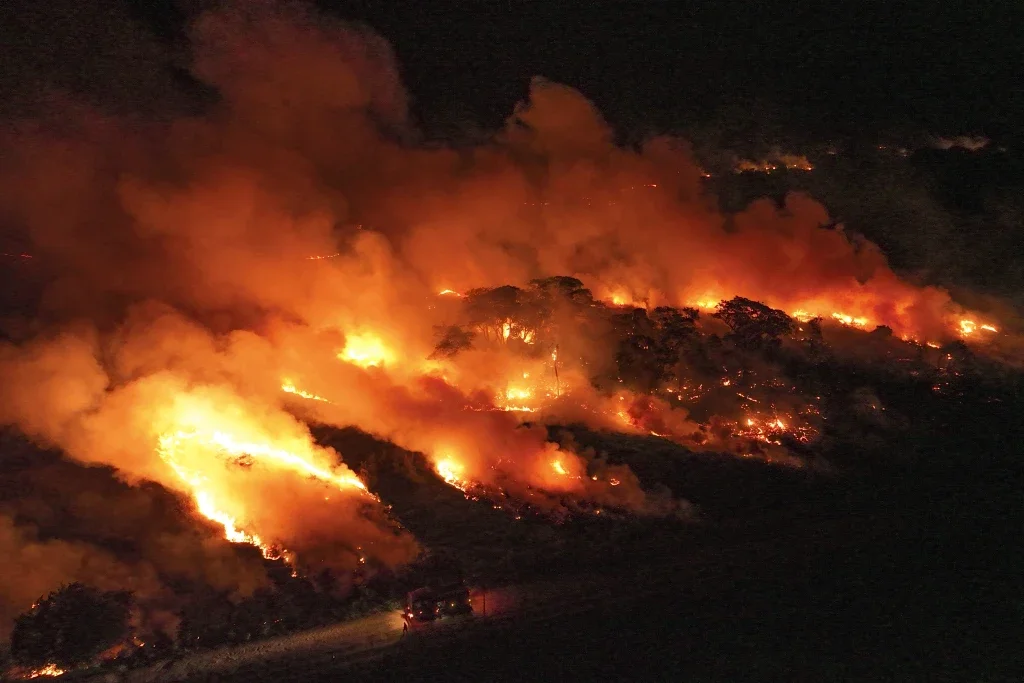
The nations most vocal about saving the Amazon are the same ones that stripped their own forests bare, plundered the Americas for centuries, and are now asking the Global South to foot the bill for their ecological debt.
Trump Administration efforts to erase the independence of federal agencies, and roll back research, continue in the firing of all 22 National Science Foundation board members
A federal judge halts the Trump Administration's attempts at restricting renewable energy projects across the country.

As semaglutide patents expire, and global manufacturing scales, a new phase of access is beginning. As science, behavior, and governance stop aligning, AI-driven regulation and competing health narratives are reshaping the borders of global health.
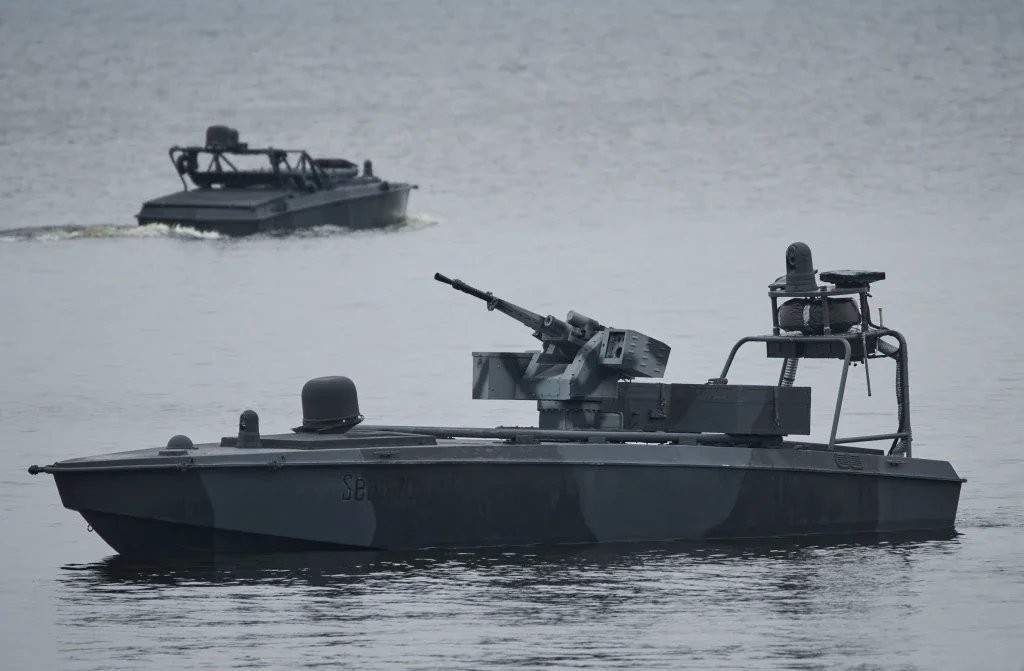
Armed conflict is driving significant environmental damage, yet these costs remain largely excluded from global climate accounting frameworks. This gap reveals how political priorities shape what environmental harm is measured and what is ignored.

A new study found that AI-generated X-rays can fool radiologists, and medicine may not yet have the tools to catch up.
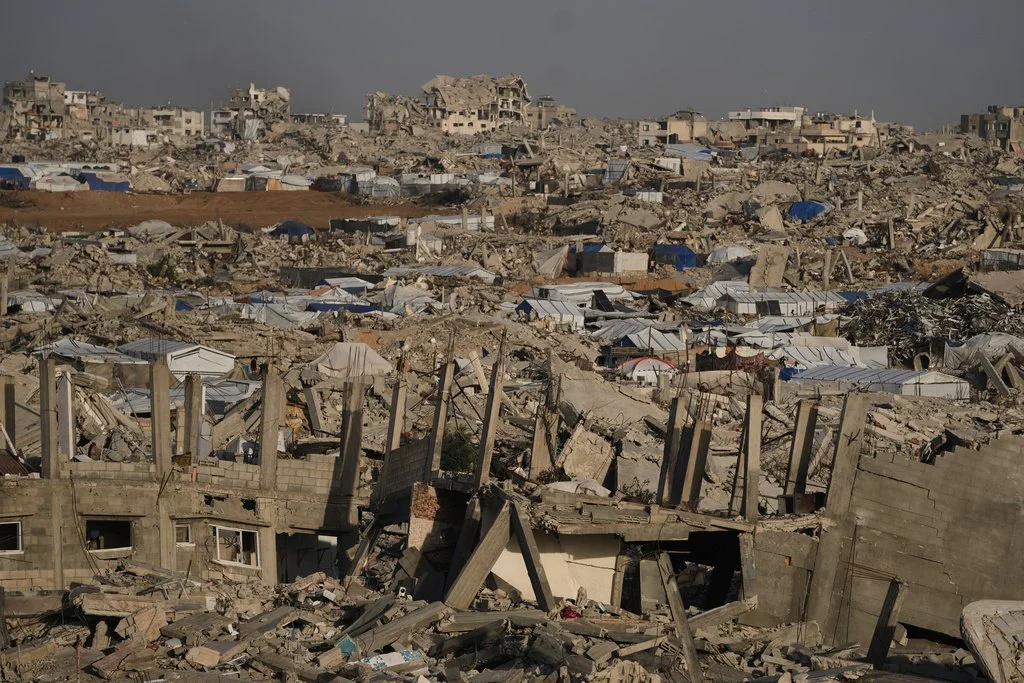
US-Israeli airstrikes on Iran cause toxic rainfall, contaminated water supplies, and over 5 million tonnes of CO₂ in just two weeks. From shattered desalination plants to poisoned soil, this conflict is quietly engineering an ecological crisis that will outlive the fighting itself.

In a historic return to the Moon, the Artemis II launch signifies the first manned mission to the Moon since the Apollo 17 mission in 1972.

A Feb. 18 executive order places a common farm chemical and a key industrial mineral inside the US national security framework, linking agriculture, supply chains, and defense production.
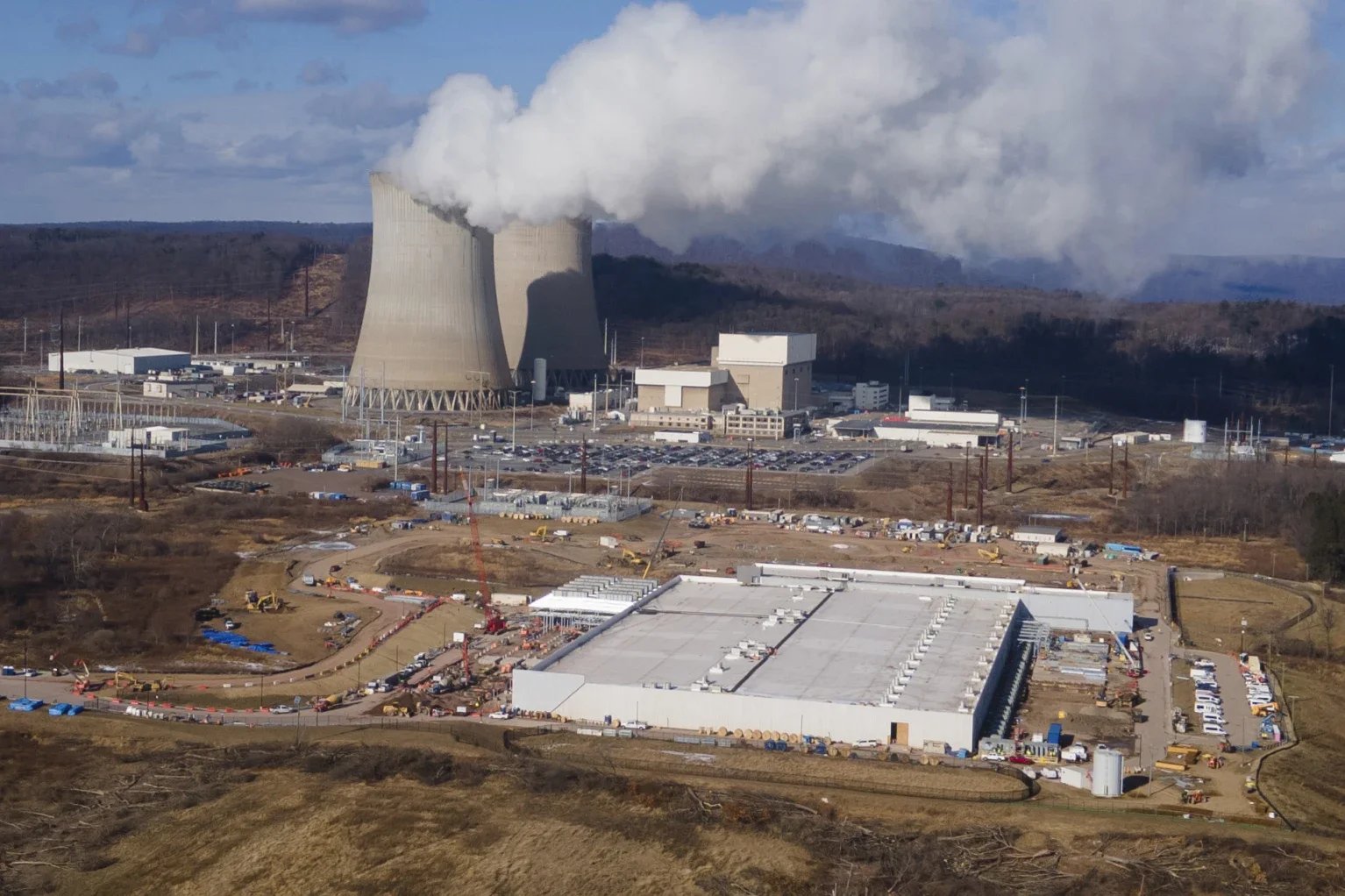
The global race to lead the artificial intelligence economy is demanding a massive usage of energy, water, and land to power data centers around the world. While AI promises technological and economic growth, the environmental costs, from rising electricity use and carbon emissions to water shortages, are increasingly being burdened by local communities around the world.
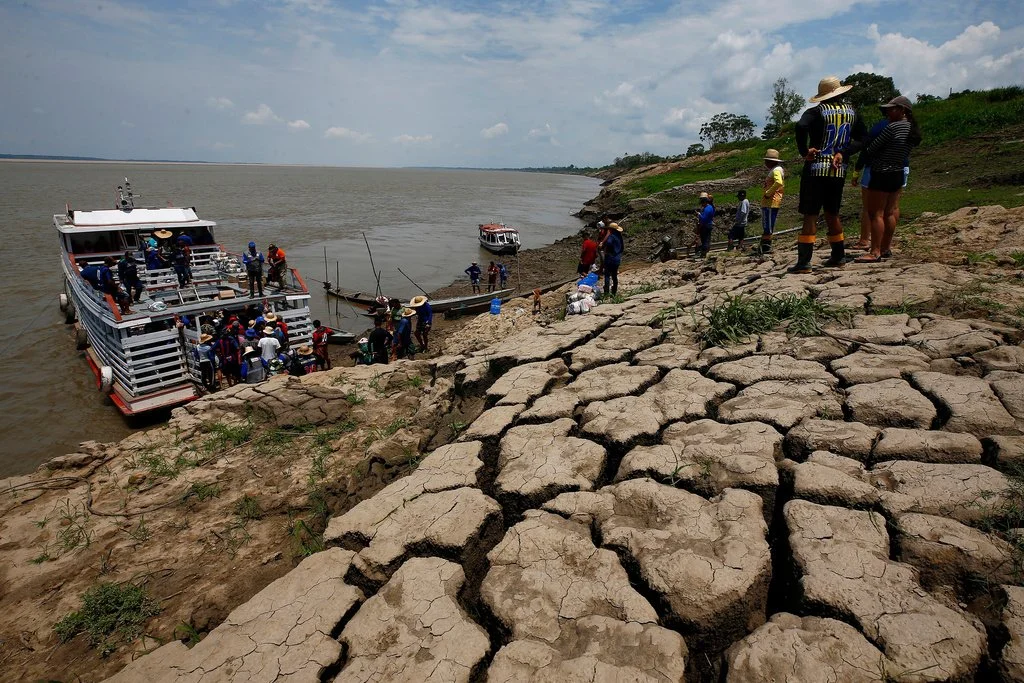
Scientists at the Indian Institute of Technology Gandhinagar studying drought patterns discover that ocean temperatures play a greater role in preventing droughts from spreading around the globe.
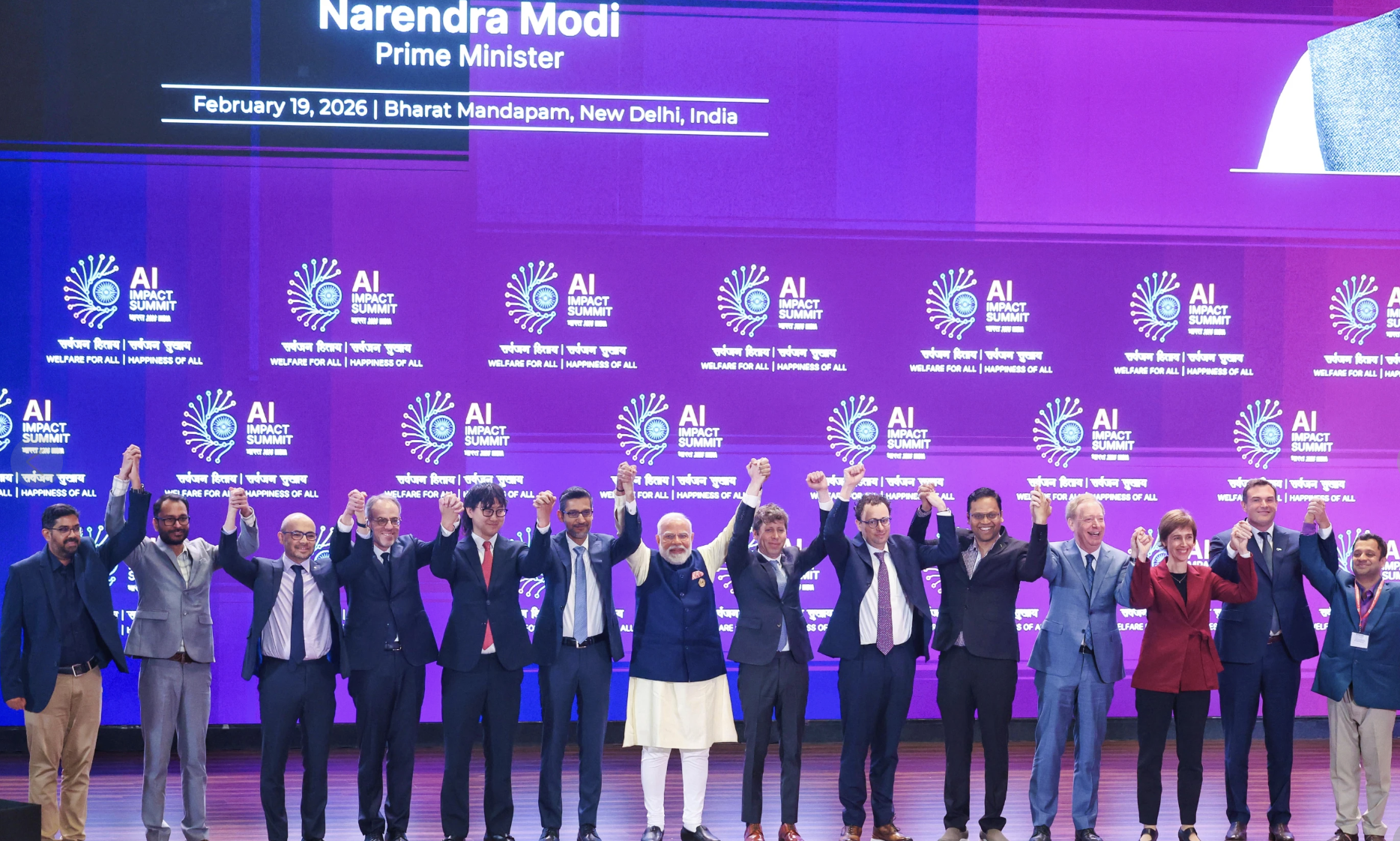
As OpenAI's CEO dismissed concerns about AI resources, a global surge in data center investment is forcing a radical reevaluation of national energy grids and sovereign climate targets.
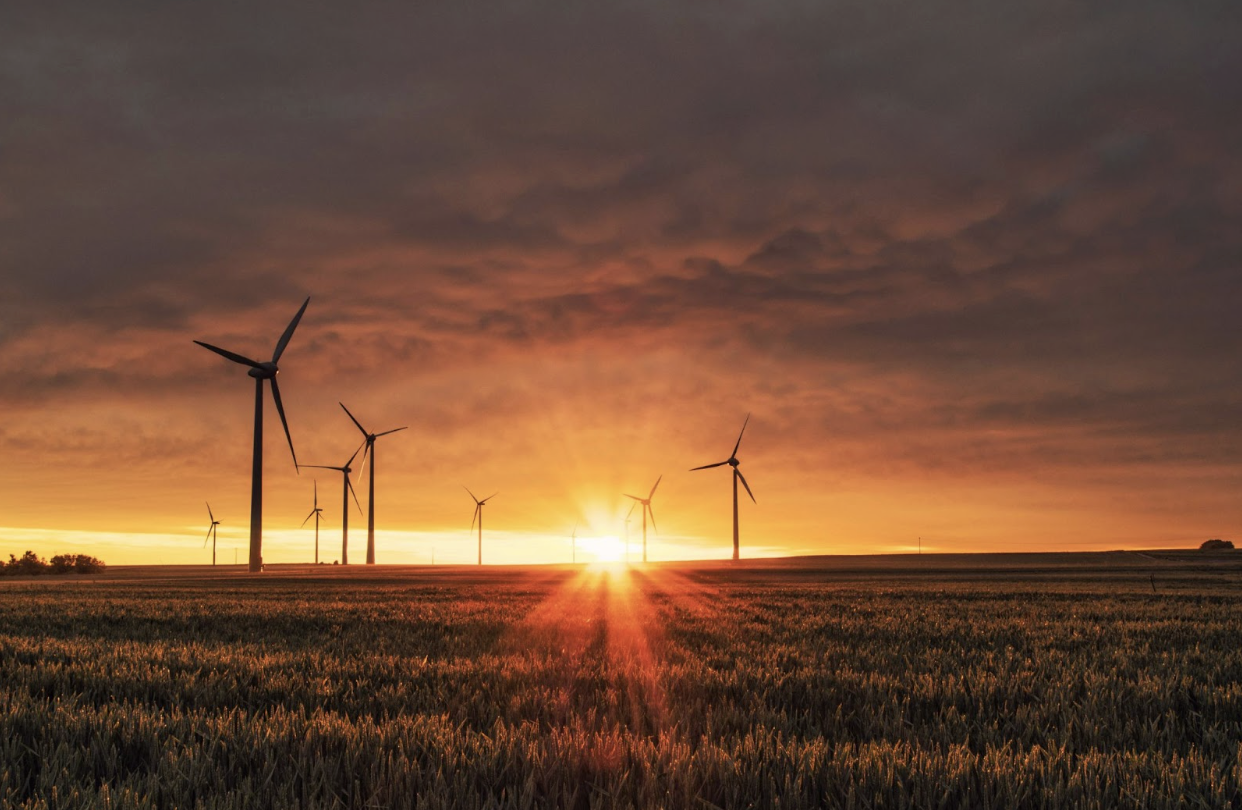
The Trump Administration's new tariffs will set back investments in green energy and climate policy.

As the Arctic warms nearly four times faster than the rest of the planet, Greenland has emerged not only as a stark symbol of climate change but also as a focal point of geopolitical ambition and environmental concern.

“‘If the island sinks, I will sink with it,’” says Delfino Davies, a member of the Guna who remains on the island of Gardi Sugdub, where waves lap into cramped homes, sweeping slippers and other items away.

The Trump administration has initiated significant budget cuts and restructuring plans for the Environmental Protection Agency (EPA), moves that could have long-term consequences for the agency's research capabilities and environmental protection plans.

After nine months, astronauts, Suni Williams and Butch Wilmore, touched down in Florida on Wednesday.
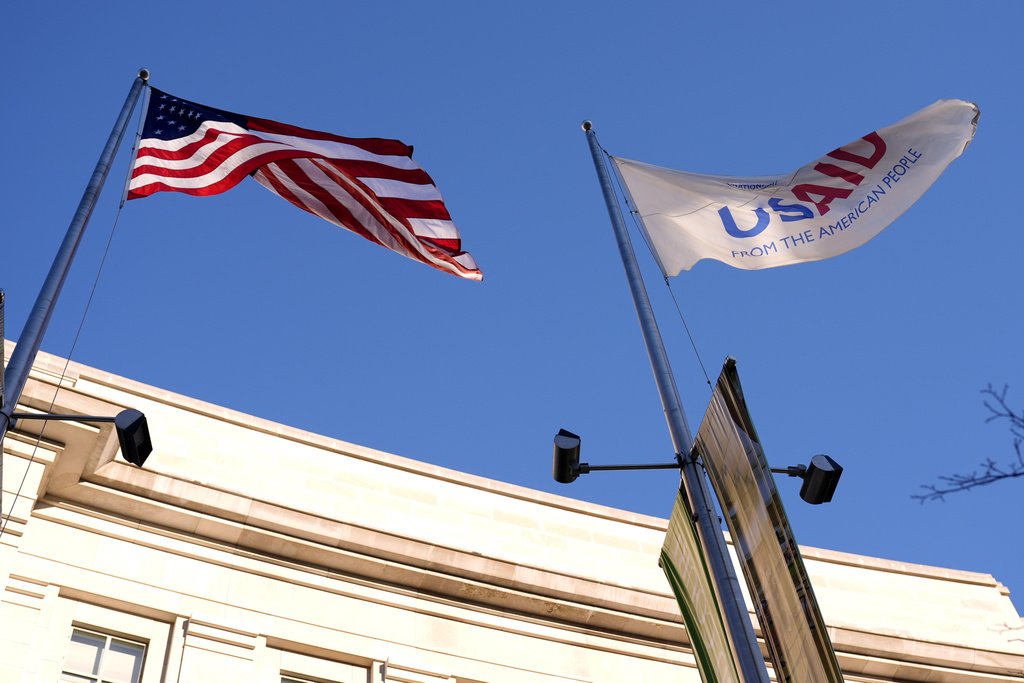
The loss of funding spells out a bleak future for the world's most vulnerable populations.

Trump's environmental policies face legal challenges but a movement away from green energy grows.

The Artificial Intelligence Action Summit in Paris focused on industry growth while safety concerns were minimized.

Carbon markets emerge as a key tool at Climate Week NYC 2024, with international cooperation, education, and policy paving the way for sustainable solutions to the climate crisis.

On Oct. 25, Hurricane Otis struck the city of Acapulco on the Pacific coast of Mexico, leaving the country with landslides, flooding, and devastation, becoming the second-strongest storm in Mexico's history.

In a landmark case, Japan’s supreme court unanimously ruled that a 20-year-old law requiring transgender individuals to be sterilized was unconstitutional.

On Oct. 25, Hurricane Otis struck the city of Acapulco on the Pacific coast of Mexico, leaving the country with landslides, flooding, and devastation, becoming the second-strongest storm in Mexico's history.

This Wednesday, a third earthquake struck northwestern Afghanistan, a mere days after two powerful tremors resulted in over 4,000 deaths and injuries. All three earthquakes reached a magnitude of 6.3, resulting in the declaration of a state of emergency by the Taliban Administration.

Artificial intelligence advancement seems to be reaching breakneck speed. The latest? Mind reading.
![[Op-ed] EU to Double Renewables by 2030: A Shift in Energy Geopolitics](https://images.squarespace-cdn.com/content/v1/631787b0b9ac8917540f8f4a/1681959474430-Y04FMSBT04DI2R81361C/Screen+Shot+2023-04-19+at+10.57.50+PM.png)
Negotiators in the EU recently reached a deal to double EU renewables by 2030, with the aim for renewable energy to make up 42.5% of their power grid by the end of the decade.
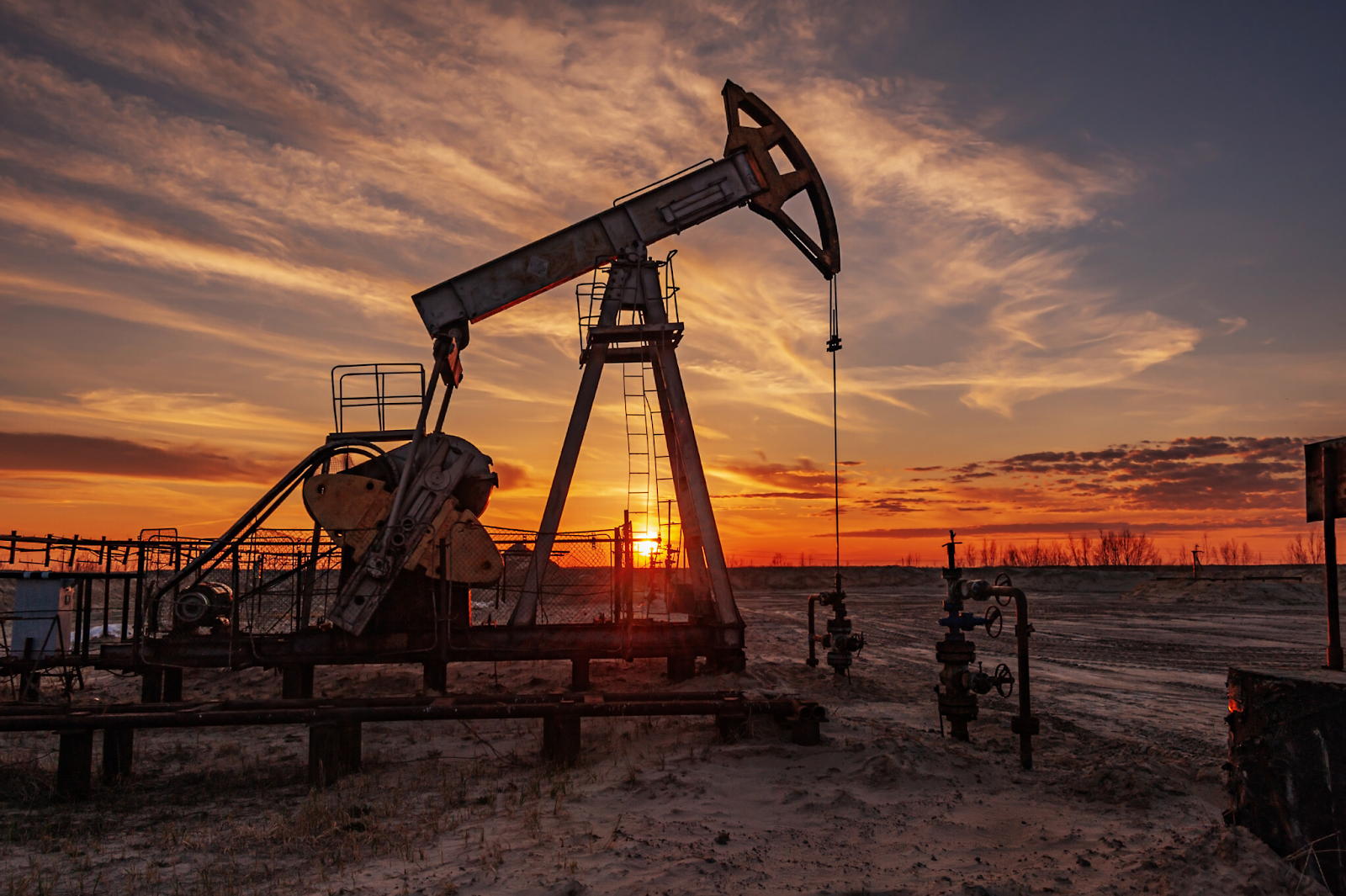
President Biden's approval of an $8 billion oil drilling project, which contradicted a campaign trail promise, is not an isolated incident.
![[Op-Ed] The Origin of COVID-19: Obscuring Truth and Science](https://images.squarespace-cdn.com/content/v1/631787b0b9ac8917540f8f4a/1681102572688-9HI21LXNVPZDF88CRP5B/global-covid.jpeg)
Misinformation and mistrust have shrouded the origin of COVID-19 since early 2020.
![[Op-Ed] Why Rainy Seasons Don't Mean the End of a Drought](https://images.squarespace-cdn.com/content/v1/631787b0b9ac8917540f8f4a/1681102137996-XYFYIQ4PXTA5H0AFOELE/Screen+Shot+2023-04-10+at+12.45.48+AM.png)
This season in California has experienced an unusually wet winter following the driest three years on record.
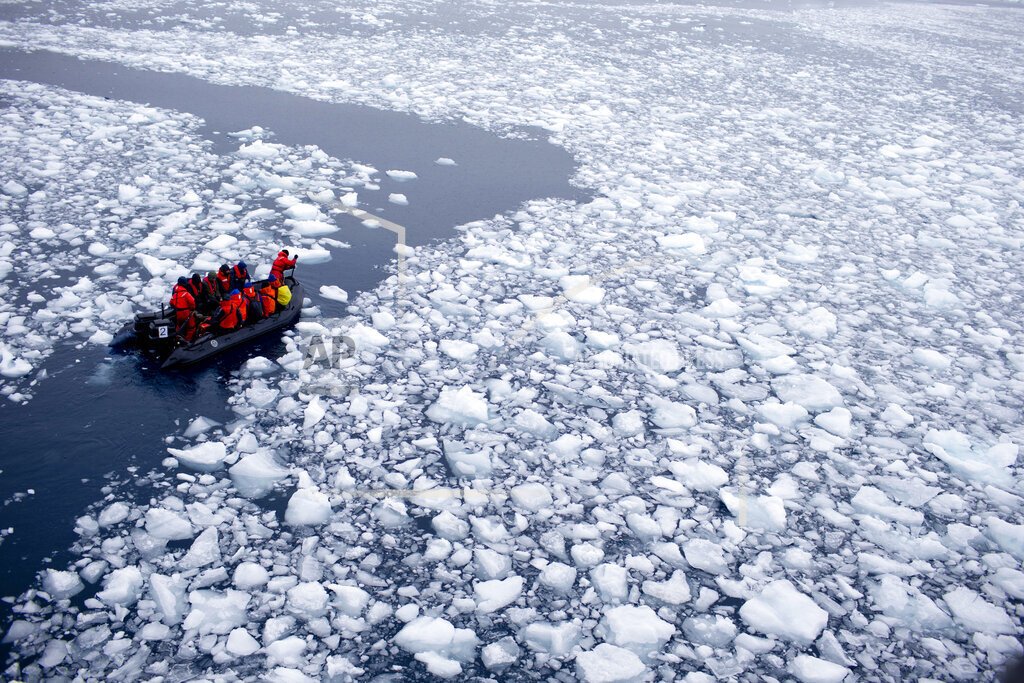
Scientists in Australia are predicting deep water flows that drive ocean currents to decline by 40% by 2050, creating major changes in the future of the earth’s climate.
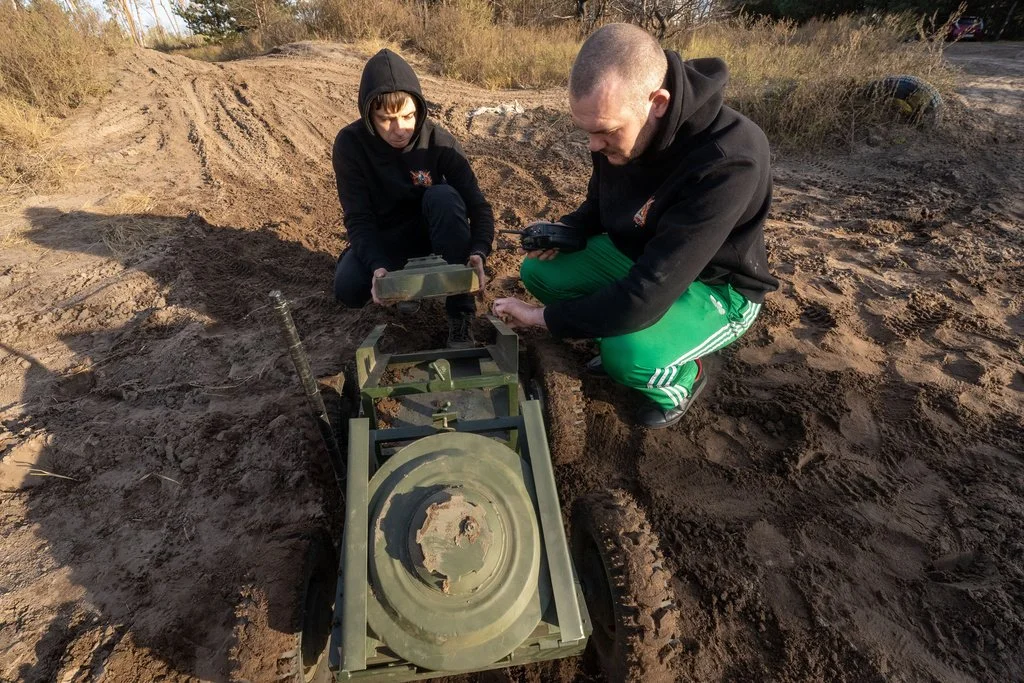
Unmanned ground vehicles take over the battlefield in Ukraine, helping transport cargo, place mines, and even remotely operate weaponry
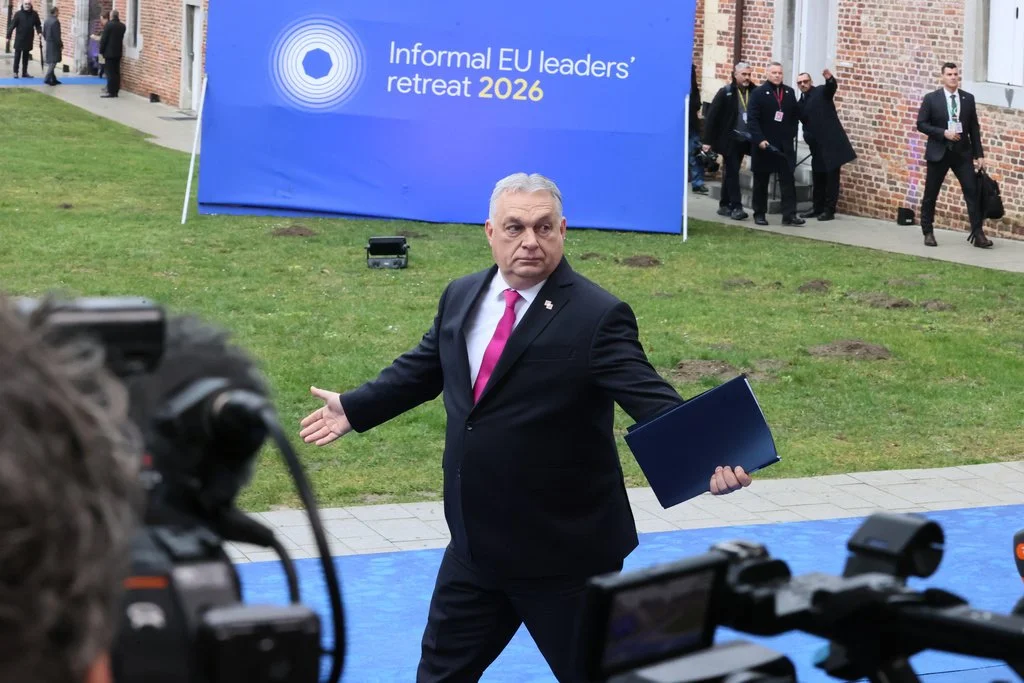
Hungarian Prime Minister Viktor Orbán announced in a video posted to social media on Monday, March 9, that he had sent a letter to Ursula von der Leyen, president of the European Commission, asking that Russian oil sanctions be suspended due to surging oil prices as a result of the war in Iran.
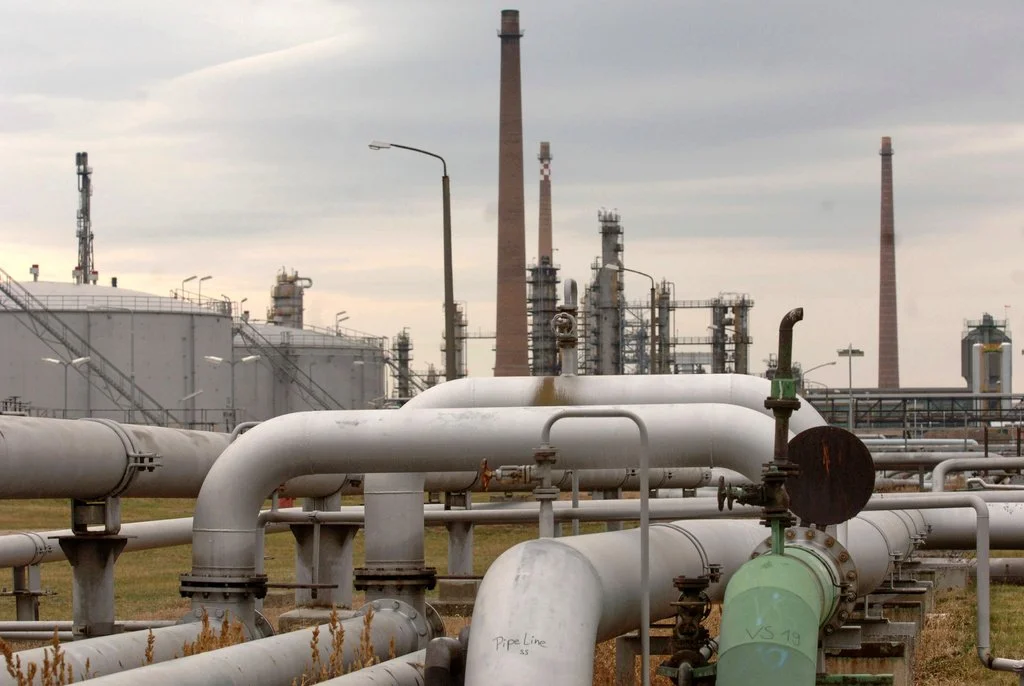
Hungary and Slovakia push a controversial agenda, blaming Ukraine for politically motivated Druzbha pipeline disruptions.
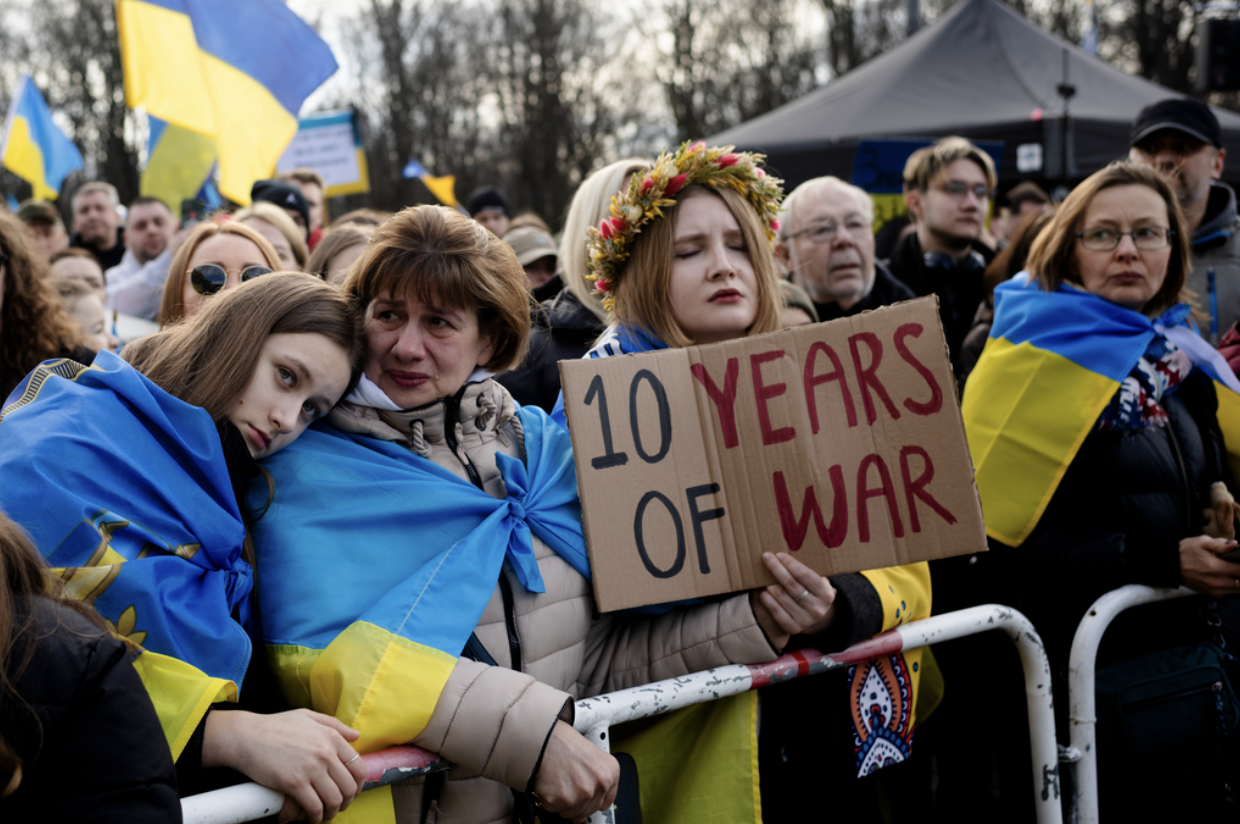
On Friday, Nov. 7, the European Union issued a statement announcing tightened restrictions on visa issuance to Russian nationals, making it more difficult for them to enter Europe’s ID-check-free travel area. The restriction comes amid Russia’s relentless war on Ukraine, increasing acts of sabotage linked to Moscow, and the potential misuse of visas.

On Friday, October 24, Croatia’s parliament voted to reintroduce compulsory military service, with top officials arguing that international tensions require the restoration of mandatory basic military training to bolster Croatia’s defense forces in case of an emergency. The decision comes amid growing tensions in Europe due to the war in Ukraine, as well as Russia’s increasing aggression against other Eastern European nations in recent months.

Romania’s President Klaus Iohannis resigned following the annulment of the 2024 elections due to substantial pressure from populist groups.
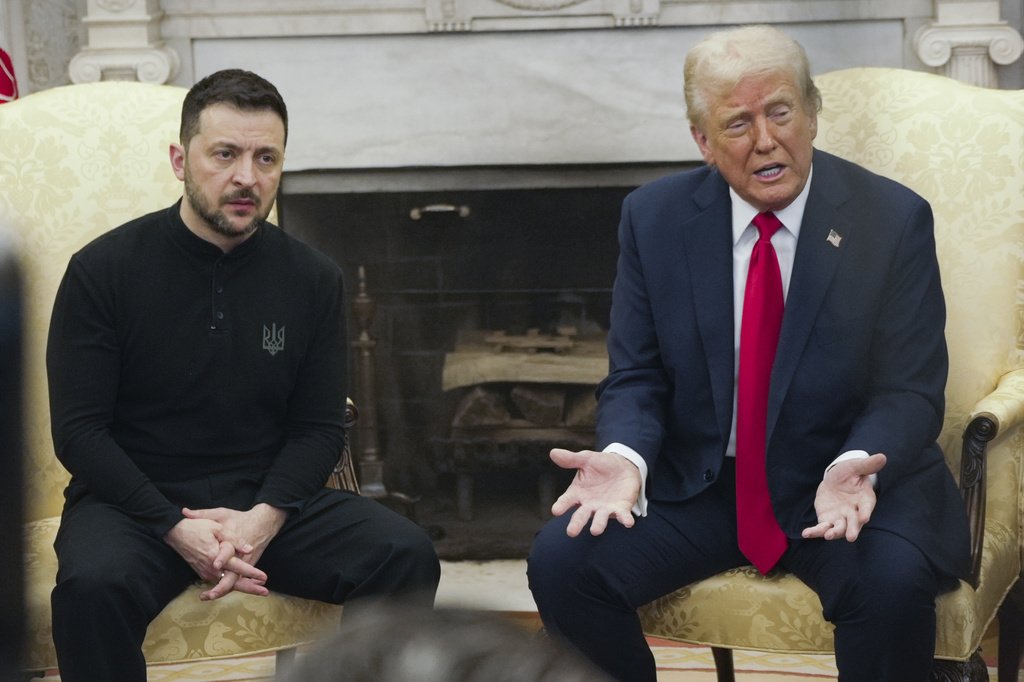
A proposed mineral deal meant to solidify relations between Ukraine and its most powerful ally ends up driving an even larger wedge between the two.

The International Criminal Court (ICC) is tasked with prosecuting world leaders for genocide, war crimes, and crimes against humanity, striving to uphold accountability on a global scale. However, the ICC’s rulings have often sparked geopolitical controversies, highlighting the Court’s ongoing challenge of balancing its judicial mandate with the political agendas of states.

On Nov. 17, in the final months of the Biden administration, the United States made a historic decision to authorize the Ukrainian military to use long-range missiles. As a response, on Nov. 20, Russian forces launched a ballistic missile attack for the time during this war.

Russia’s lower parliament passed a bill targeting speech that promotes refraining from having children or criticizes families with children. The bill is aimed at addressing the declining birthrate and positioning Russia in opposition to western nontraditional family values.

This article examines how Russia has adapted its imperial ambitions to the digital era, using information warfare and soft power. Central to this strategy is Aleksandr Dugin's The Foundations of Geopolitics, which advocates for a Eurasian bloc led by Russia through ideological dominance rather than military force. The article highlights Russia’s recent election interference and disinformation campaigns in Europe, as well as strategic alliances with China, Iran, and India. Recent allegations of Russian interference in Georgia’s 2024 parliamentary elections underscore Dugin’s vision in action, where Russia manipulates political processes to build a multipolar world that challenges Western dominance.

With far reaching tariffs, isolationist policy preferences, and a secret plan to end the war in Ukraine in “24 hours,” Donald Trump’s victory means big change in Europe.

The Dream party saw its fourth consecutive win in Georgia on Oct. 26, but with its drift towards authoritarianism and pro-Russian sentiment, many say the vote does not reflect the true preference of Georgians.

In the 16th annual BRICS summit, countries met in Kazan, Russia. A key point of discussion was alternatives to Western global financing systems to counter the threat of sanctions.

As footage emerges of North Korean soldiers suiting up in Russian gear, Ukraine warns that Pyongyang’s involvement could shift the balance of the conflict. With Moscow and Pyongyang forging a tighter military alliance, the international community faces fresh security concerns.

Georgia’s president, Salome Zourabichvili, drew sharp criticism from Prime Minister Irakli Garibashvili after refusing to sign a controversial anti-LGBTQ bill into law on Oct. 2.

Decades after a Soviet nuclear power project was abandoned, Poland is starting construction of an American-built nuclear plant. The plans are a promising emblem of US collaboration with Poland, but locals in the village where it is set to be built have doubts.
Russian President Vladmir Putin’s new nuclear doctrine shifted significantly from the country’s previous nuclear policy. The new amendments, announced in late September 2024, lowered the threshold for the usage of nuclear weapons.

On Oct. 2 Vladimir Putin signed a law that allows criminals to join the army in return for immunity. According to independent Russian outlet Istories, the government wants to conscript 40 percent of 60,000 prisoners with pre-trial detention status.

The Austrian Freedom Party, which ran on a platform of limiting immigration, easing sanctions with Russia and Euroscepticism won the Austrian Election on Sept 29. However, forming a coalition will be challenging with other major parties refusing to work with them.

A significant development in the lead-up to the Moldovan presidential election occurred on Sept. 24, when the Central Electoral Commission (CEC) released its list of approved candidates. The agency notably did not register Igor Munteanu, one of the main political opponents of incumbent President Maia Sandu.

On Sept 21, 2024, around 20 Russian women gathered outside the capital holding up banners that demanded a meeting with Defense Minister Andrei Belousov and the return of their mobilized loved ones. The demonstration took place on the second anniversary of the decree signed by President Vladimir Putin ordering the mobilization of reserve citizens to the war in Ukraine.

On Aug 6, 2024, Ukrainian armed forces launched an incursion into the Kursk region of Russia. More than 1,000 Ukrainian troops, backed by tanks and armored vehicles, caught Russia off guard, prompting Moscow to declare a state of emergency and rush reinforcements to the region.

On Sept. 8, a Russian-operated Shahed-type drone crashed in Latvia's Rezekne region. The drone had entered Latvian airspace from Belarus and was tracked by air defense systems. While there was no immediate harm, Latvian Minister of Defense Andris Sprūds emphasised this incursion's seriousness, as any violation of a North Atlantic Treaty Organization (NATO) member's airspace could have broad security ramifications.

The regime in Russia further cracked down on its queer community this month, with Russia’s top court ruling to ban the so-called “international LGBTQ movement,” labeling it an extremist organization. It is now illegal in Russia to “promote or praise LGBTQ relationships, publicly express non-heterosexual orientations or suggest that they are normal.”

The European Union (EU) has threatened legal action against the Polish government for failing to resolve the blockade at the border between Poland and Ukraine — caused by a weeks-long trucker protest.

Around 250 blue Stars of David were tagged on buildings in France, in what the Parisian police chief called an “antisemitic” incident. Officials in France claim that a Russian-speaking person living abroad “may have paid for” the graffiti and Russian-controlled social media accounts promoted images of the graffiti.

In a recent interview with The Economist, top Ukrainian General Valery Zaluzhny admitted that the war against Russia has reached a stalemate — comparing the situation in Eastern Ukraine to Northern France during World War I.

A mob in the Russian Republic of Dagestan stormed an airfield on Oct. 30, 2023, prompting the closure of an airport and the diversion of flights.

In a controversial move, Hungarian Prime Minister Viktor Orbán met Russian President Vladimir Putin in Beijing on Oct. 24, 2023. Orbán, the leader of Hungary’s right-wing party FIDESZ, was even photographed shaking hands with Putin, drawing the ire of other Western leaders.
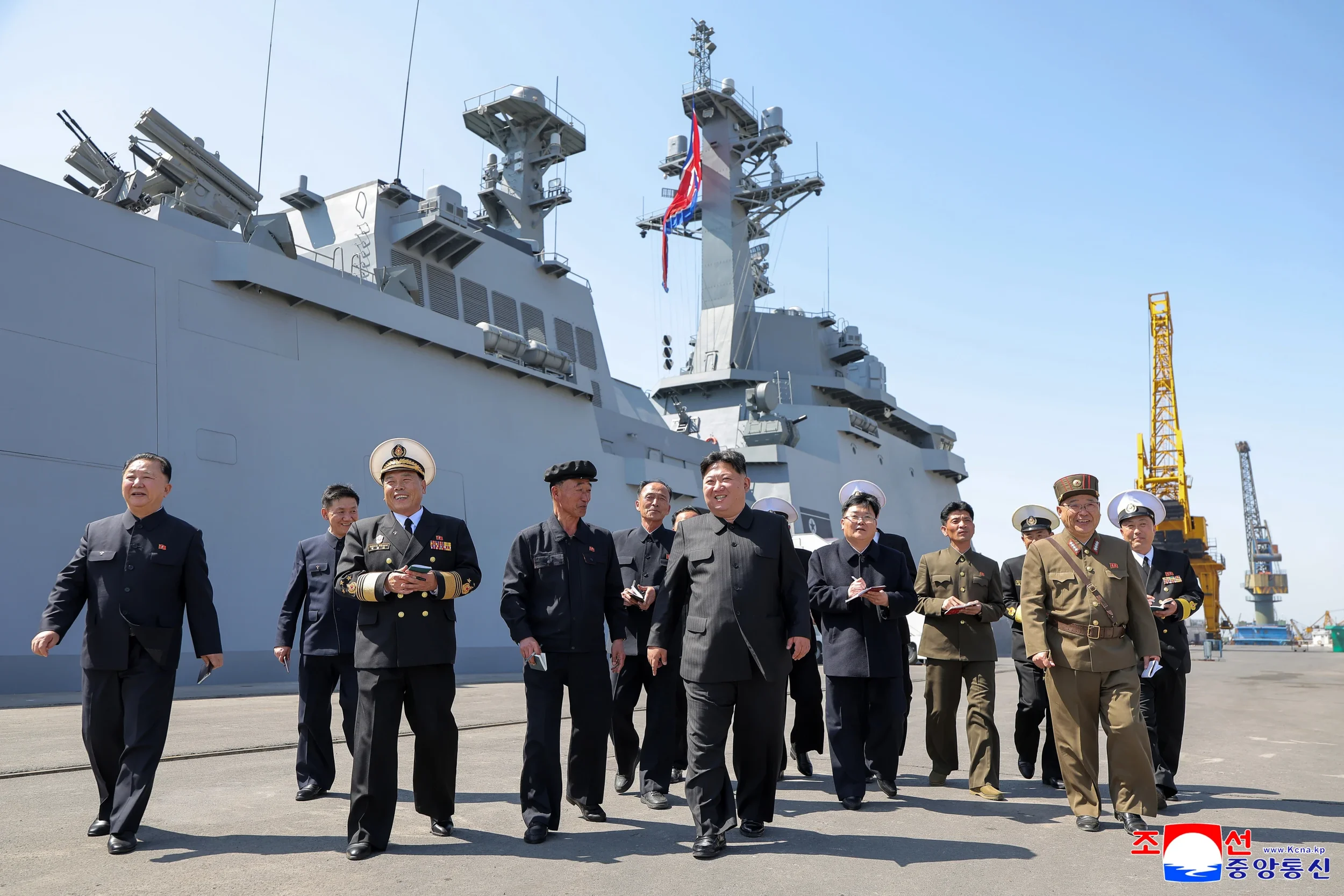
New evidence suggests the development of additional nuclear facilities, raising concerns over North Korea’s growing capabilities.
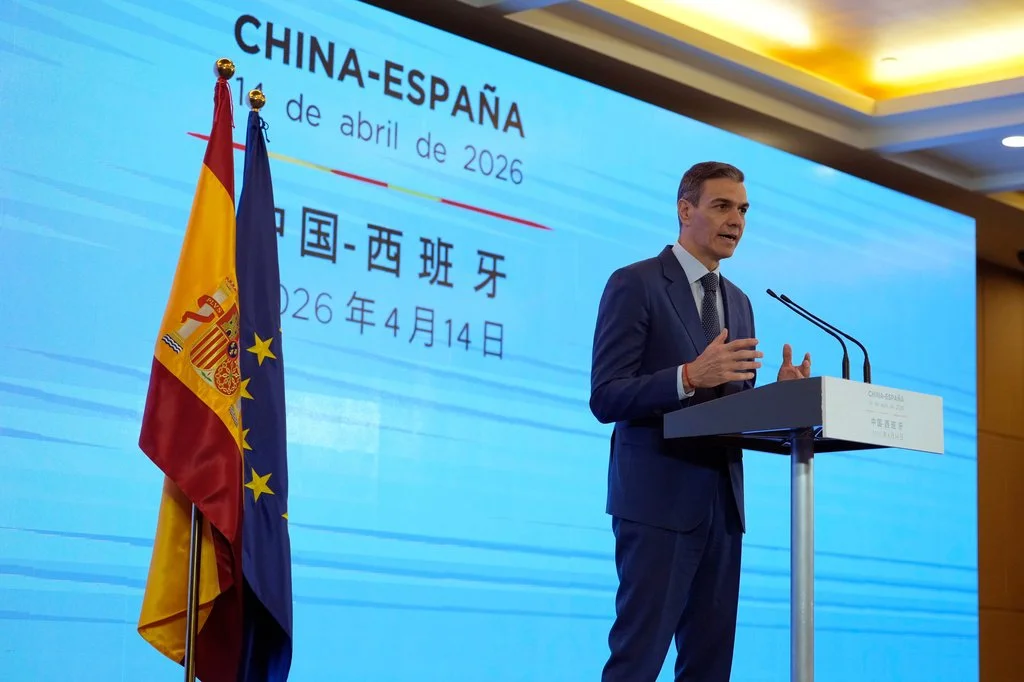
A look into how Prime Minister Pedro Sanchez’s visit to China represents a larger trend of international unification against the war in Iran.

South Korean intelligence agency receives insider information about Kim Jong Un’s Succession.
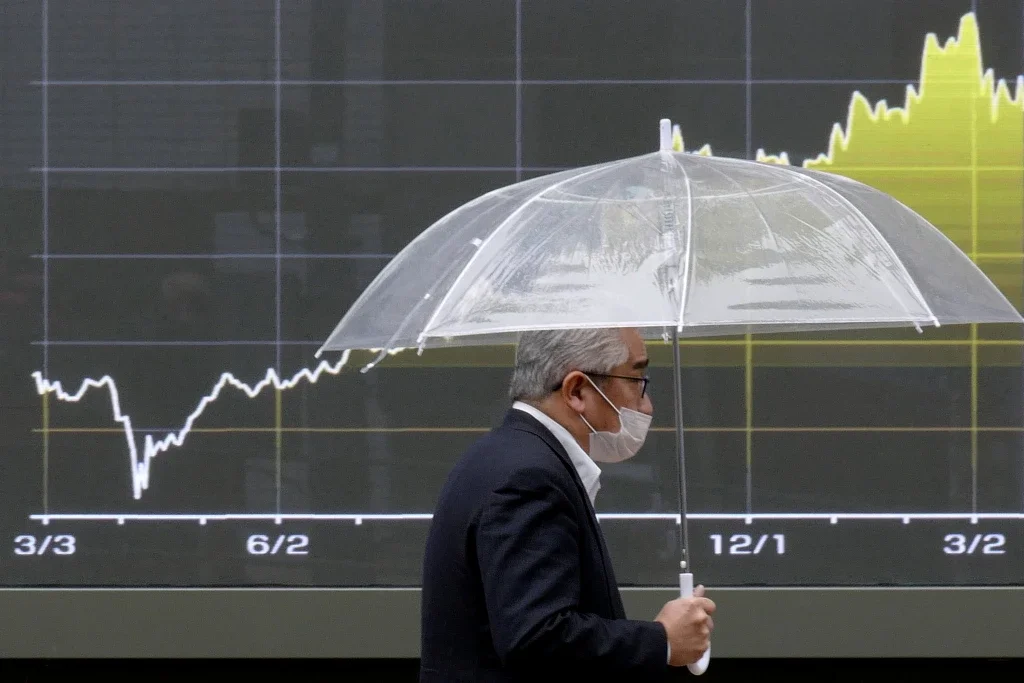
Rising oil prices driven by Middle East tensions are exposing structural vulnerabilities across East Asian economies
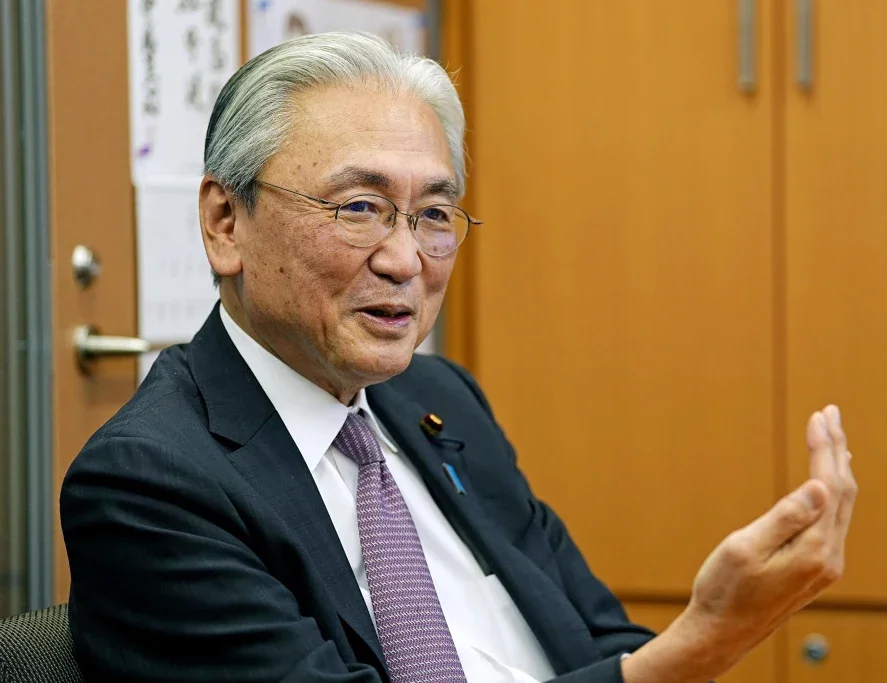
Beijing’s sanctions on Keiji Furuya highlight how Taiwan is becoming an even more sensitive flashpoint in China-Japan relations and regional security politics.
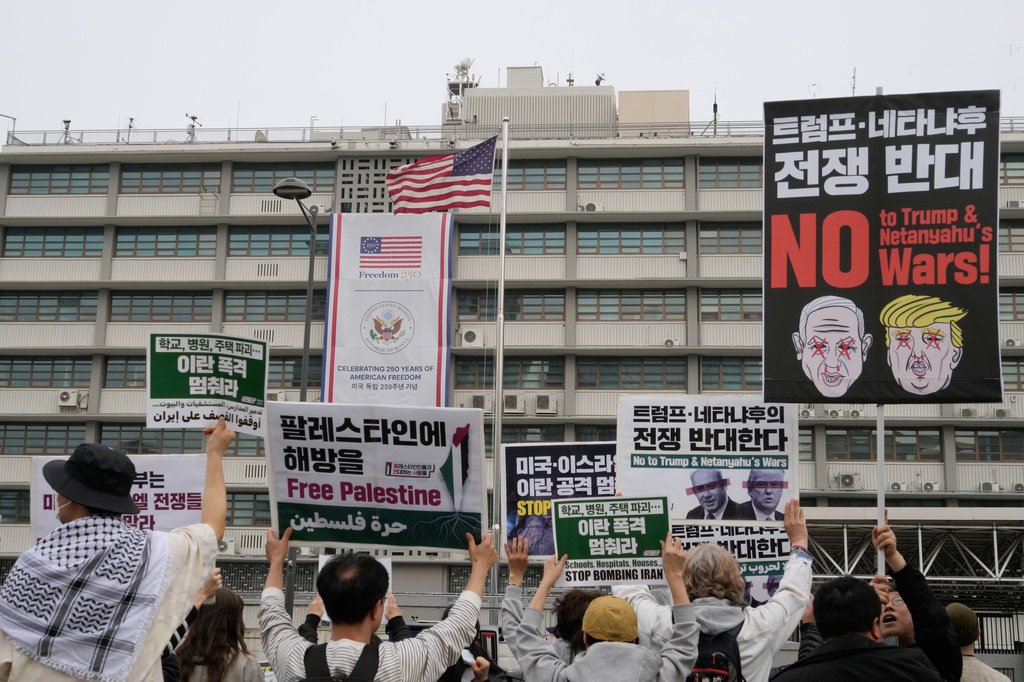
South Korean protesters crowd the US Embassy in Seoul to push back against possible deployment of Korean naval soldiers to the Middle East.
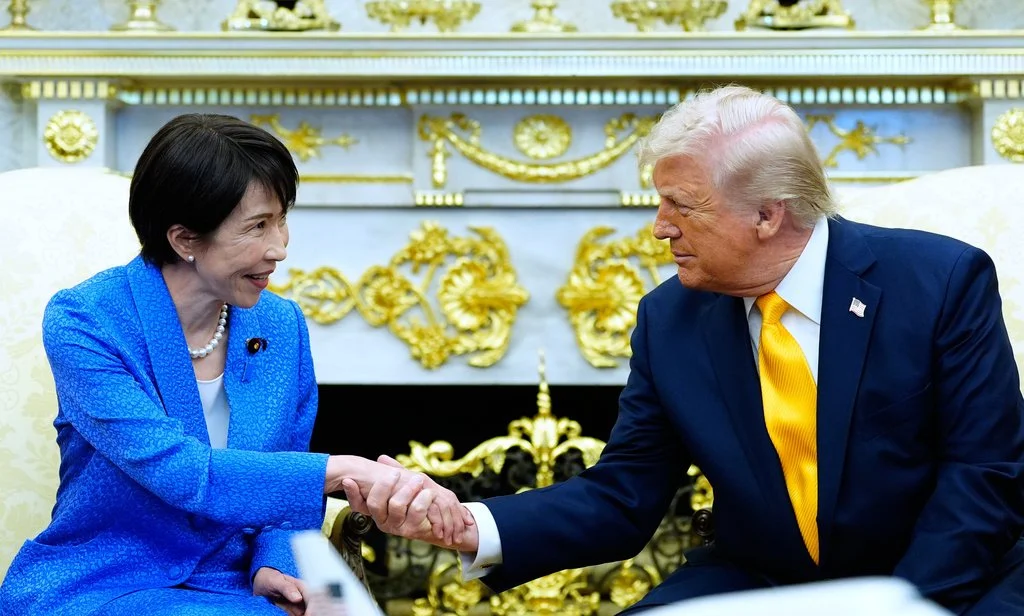
In their March White House summit, Japanese Prime Minister Sanae Takaichi urged US President Donald Trump to publicly commend Japan amid tense relations with China, a request that Trump agreed to honor during his upcoming talks with Xi Jinping.
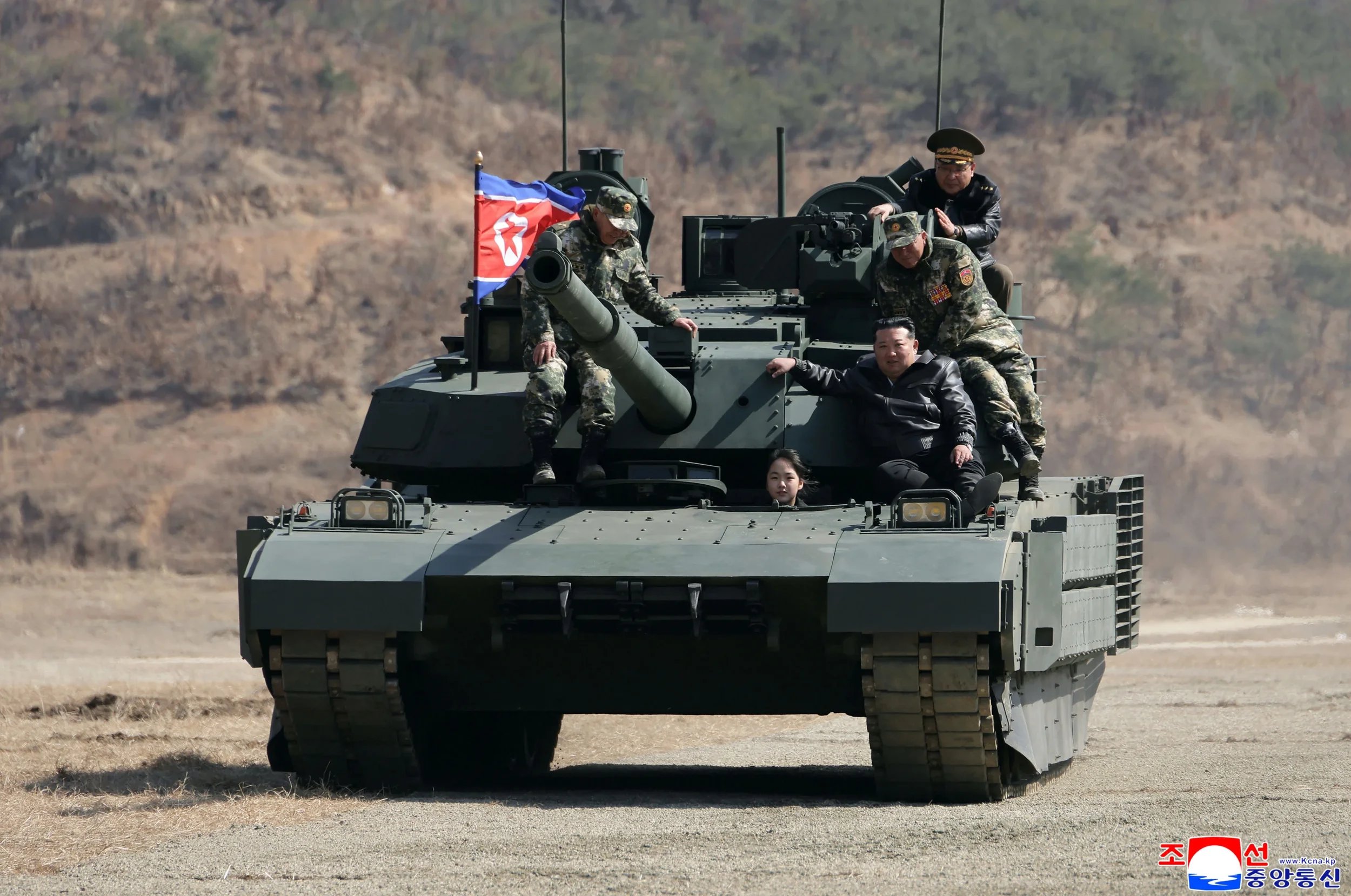
Missile tests and military exercises are reinforcing a cycle of tension in East Asia

Iran’s closure of the Strait of Hormuz following the US-Israel attacks have had disastrous repercussions for Japan’s supply of oil.
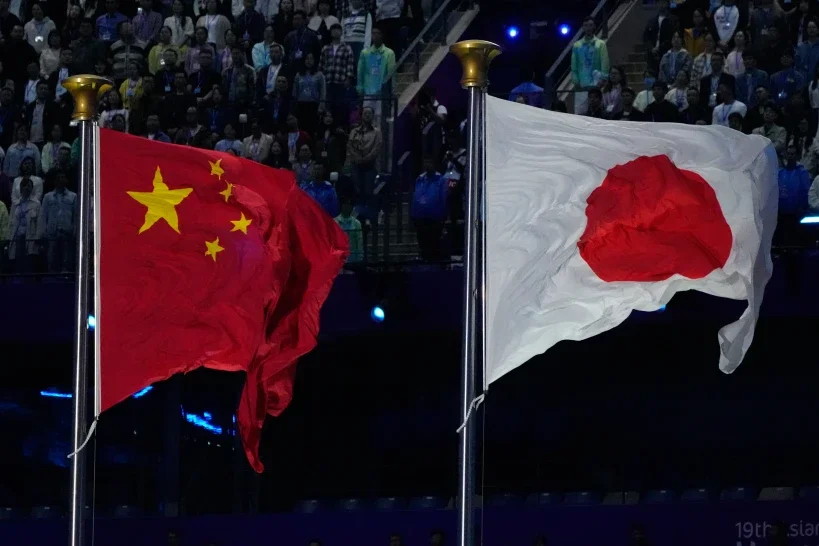
Political tensions over Taiwan are beginning to reshape diplomatic relations and economic exchanges between China and Japan.
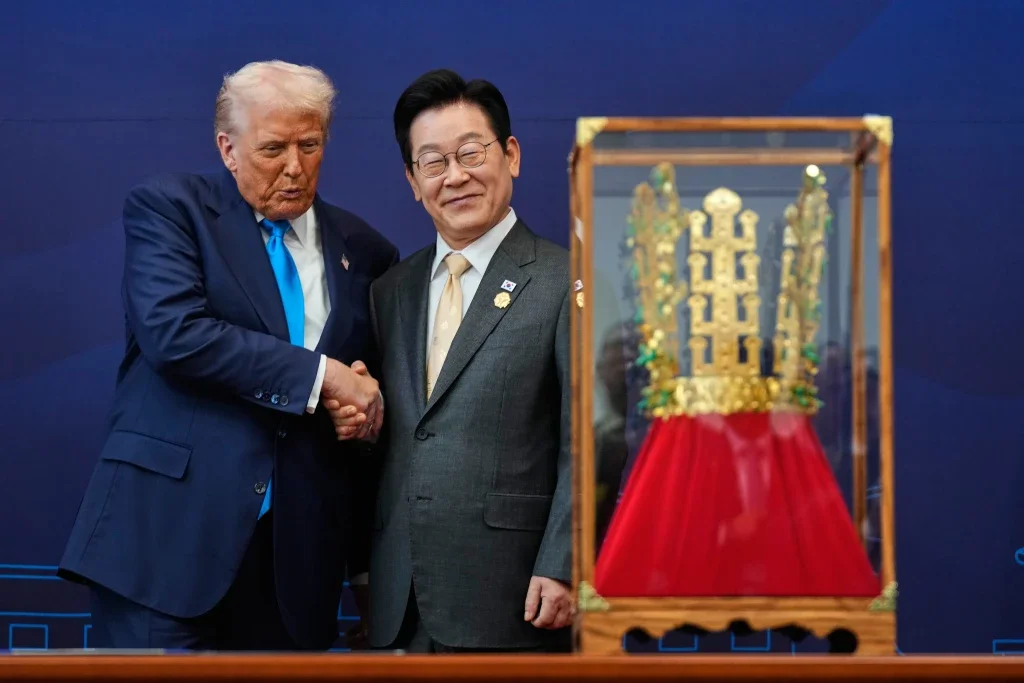
South Korea’s options are becoming more complex as variables from the United States emerge in the discussions that were conducted on the premise of low-enriched uranium.

The new Prime Minister of Japan signals a sharp turn in security policy in the midst of rising security tensions with China and North Korea.

Amid rising tensions with the U.S., China accelerates soybean imports from South America, reviving fears of long-term market loss among American farmers.

Thursday, April 17: The semiannual joint “Freedom Flag” exercise between the U.S. and South Korea is set to begin today amidst tensions on the Korean Peninsula.

The Bank of Japan (BOJ) held its short-term interest rate at 0.5% in its March 19 meeting. The decision was widely expected, reflecting the central bank’s cautious approach as U.S. trade policies and a slowing Chinese economy weigh on Japan’s outlook.

As geopolitical tension escalates, TSMC is expanding overseas while reaffirming its domestic roots. Caught between American pressure and Taiwanese interests, the chipmaker must balance global ambition with its role as Taiwan’s silicon shield.

Global markets have been shaken this past week by a tariff tit-for-tat between the U.S. and China, as both countries engage in what has been described by Chinese officials as a “fight to the end.” This tariff war is unique as President Donald Trump reversed the majority of his “reciprocal tariffs” on dozens of other countries—keeping a universal 10% on all imports to the U.S.—while elevating those against China due to a perceived “lack of respect” at the country’s decision to retaliate.

Yoon Suk-yeol’s ousting marks a victory for democratic checks and balances, but unresolved policy gridlock, economic uncertainty, and deepening social divides leave South Korea at a crossroads ahead of the June snap election.

North Korea's recent ballistic missile launches, coinciding with the U.S.-South Korea military drills, reflects its ongoing strategy of military escalation in response to perceived threats. With advancements in missile precision and solid-fuel technology, the tests pose new security challenges

Yesterday marked the start of China’s 14th National People’s Congress (NPC) in Beijing, a week-long meeting attended by top Chinese Communist Party (CCP) leadership including Chinese President Xi Jinping, the Politburo Standing Committee, and over 3,000 delegates from across the country. The session, also known as Two Sessions, is a means for top leadership to convey decisions about the priorities of the CCP for the next year, including economic and foreign policy decisions.

The Japanese military has been shoring up its defensive capabilities on the small island of Yonaguni, which is the nation’s westernmost island, and closest to Taiwan. Despite its small population, the island has become essential to the Japanese military in the past few years.

As China’s assertiveness grows in the South China Sea, Japan and the Philippines have further deepened their security partnership. Building on the 2024 Reciprocal Access Agreement (RAA), which allows Japanese forces to deploy in the Philippines for military and humanitarian operations, the two countries signed a new defense framework enhancing technology sharing. The initiative signals mounting regional concerns over China’s actions and reflects Japan’s expanding role as a key security player on the global stage.

Taiwanese Economics Minister Kuo Jyh-huei states that officials from his ministry have been in Washington since Tuesday on a “routine visit” to U.S. President Donald Trump following his Jan. 27 threats of a “25, 50 or even 100 percent” tariff on semiconductors.

Following U.S.-Russia peace talks on the Russo-Ukrainian war, Chinese officials argue that all necessary parties should be involved in discussions. Chinese involvement in negotiations evokes questions about their connections to Russia, Ukraine, and North Korea.

China has announced retaliatory tariffs following Trump's 10% tariff on all Chinese imports, targeting key U.S. industries, including energy and technology.

A Feb. 13, 2025, review of coal projects in China revealed that coal expansion in 2024 reached a nine-year high, raising concerns about continued fossil fuel reliance despite clean energy efforts.

Tensions between China and Taiwan have reached alarming heights as a surge in military activity from Beijing heightens the possibility of warfare. A key instigator is the 2024 election of Taiwanese President Lai Ching-te, who describes himself as a “pragmatic worker for Taiwan independence.” Lai’s election coincides with an exacerbation in Chinese aggression, including a 300 percent increase in military flights around Taiwan since May and a major October drill involving Chinese army, navy, air, and rocket forces that encircled the island. Most recently, in early November, over 35 Chinese military aircraft, including nuclear-capable H-6 bombers and drones, were detected flying to the south of Taiwan for two consecutive days.
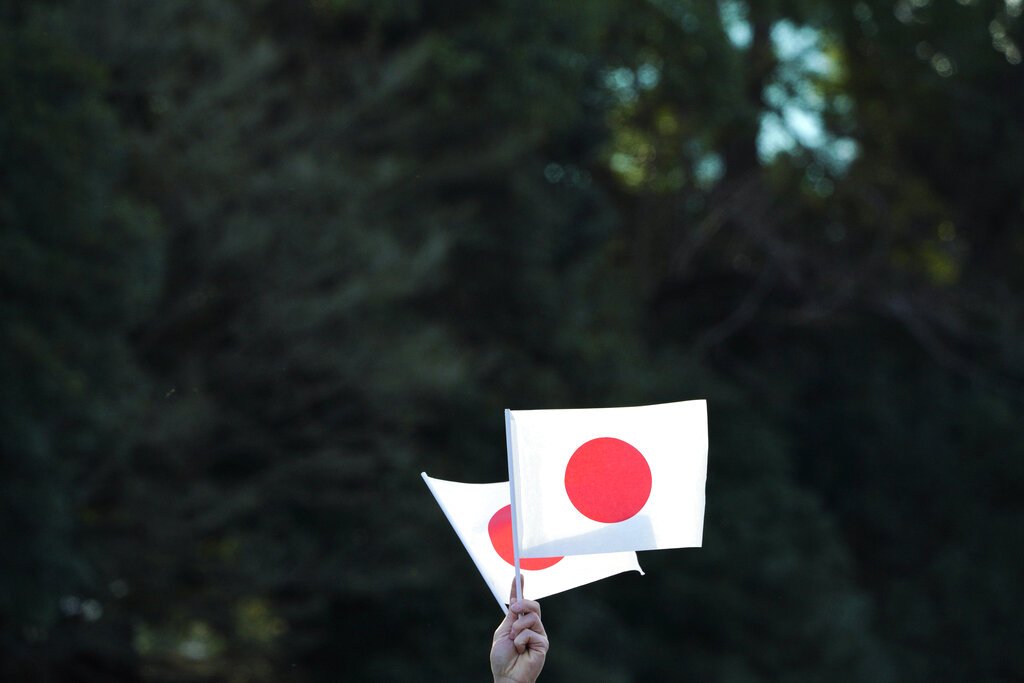
In a historic move on Nov. 1, Japan and the European Union joined together in formalizing a security and defense partnership aimed at addressing growing problems within the Indo-Pacific region. The pact signifies a deepening relationship between Tokyo and Brussels, as both raise concerns over increasing Chinese influence as well as heightened Russian military aggression.

On Oct. 1, Japan’s new Prime Minister Shigeru Ishiba was sworn into office. Ishiba is a member of the ruling LDP (Liberal Democratic Party), the same party as previous Prime Ministers Fumio Kishida and the late Shinzo Abe.

British judge Nicholas Phillips has become the latest overseas justice to resign from Hong Kong’s Court of Final Appeal, stepping down on Sep. 30.
As Peru approaches new presidential elections, a cycle of political upheaval has normalized instability, raising urgent questions about whether democracy can function when crisis becomes routine.
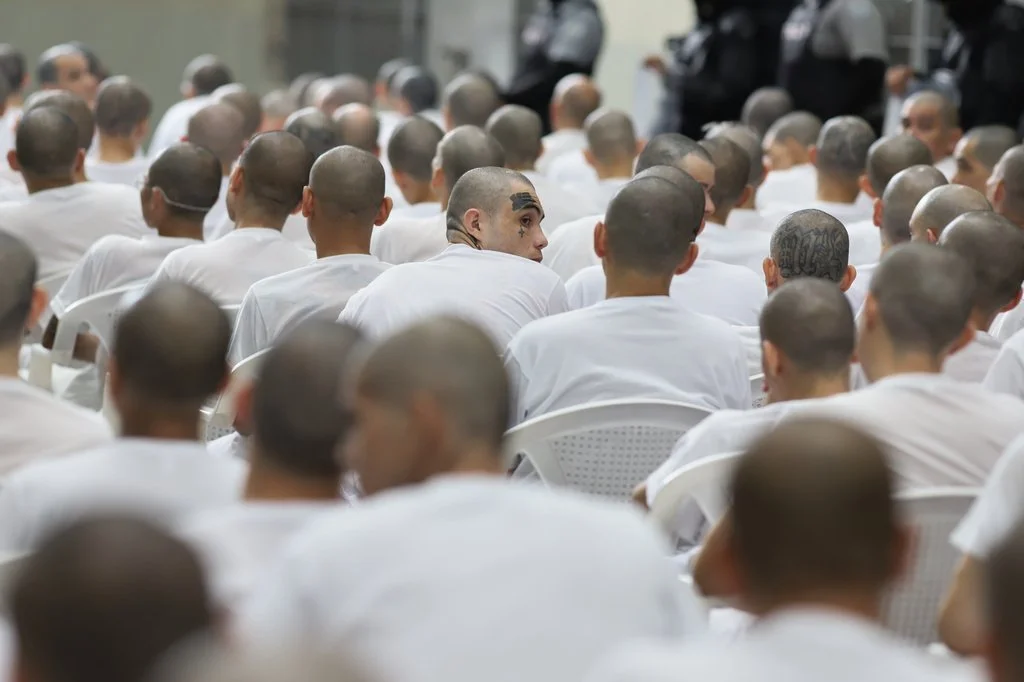
The virtual trial of 486 alleged MS-13 members marks the country’s largest mass prosecution yet, raising questions about due process under Bukele’s four-year state of emergency.
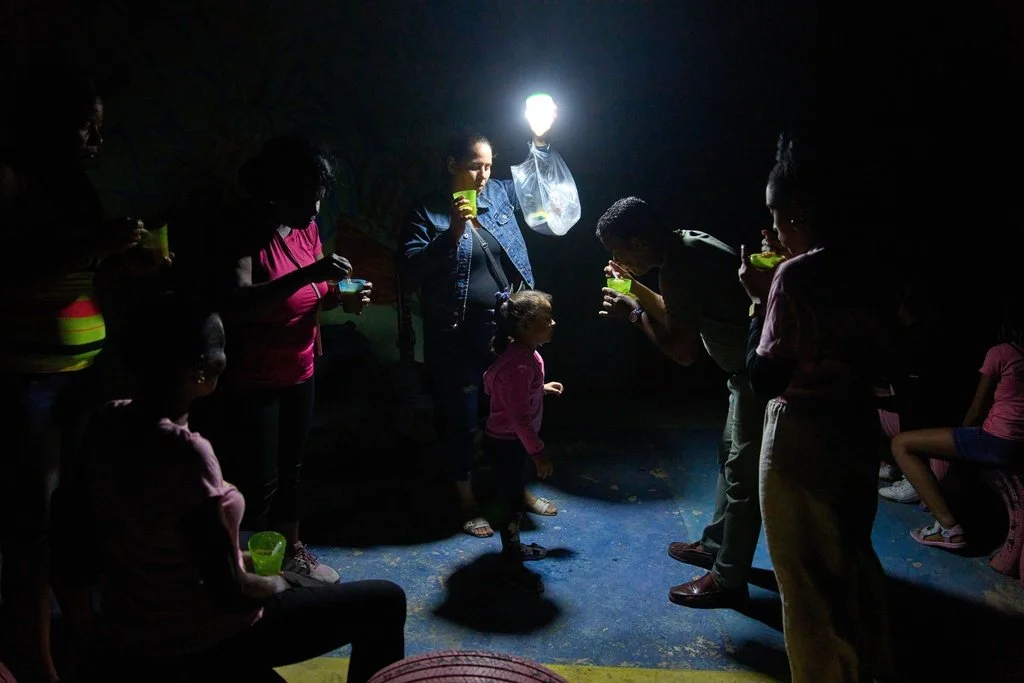
Sanctions and oil restrictions have fueled nationwide blackouts, deepened civilian suffering, and pushed Cuba closer to US adversaries.
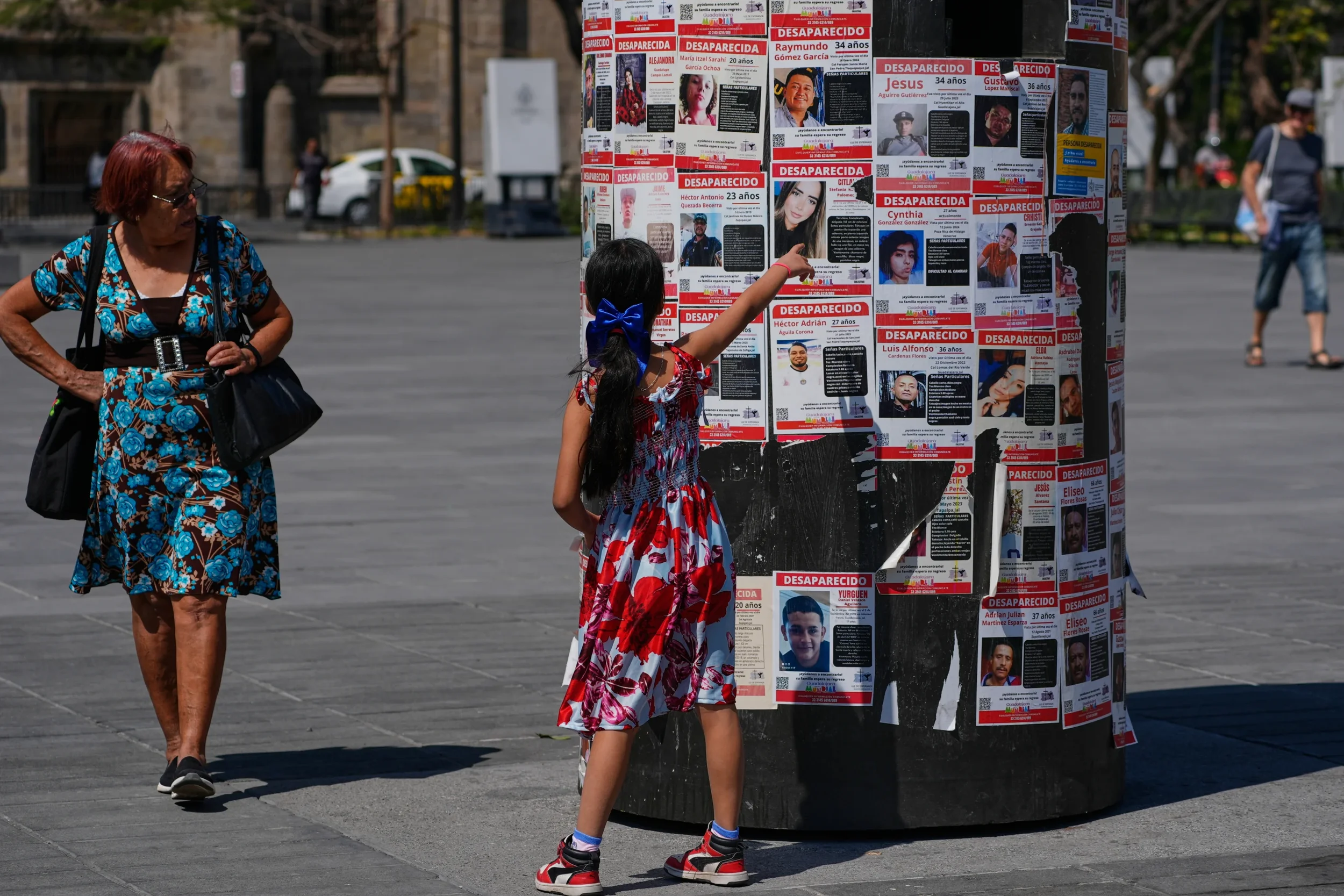
On April 4, the United Nations Committee on Enforced Disappearances (CED) requested that the UN Secretary-General refer Mexico’s ongoing disappearance crisis to the General Assembly for consideration of response measures.

Low attendance at CELAC’s latest summit exposed ongoing divisions and the lasting influence of the United States as the bloc looks to strengthen ties beyond the region.
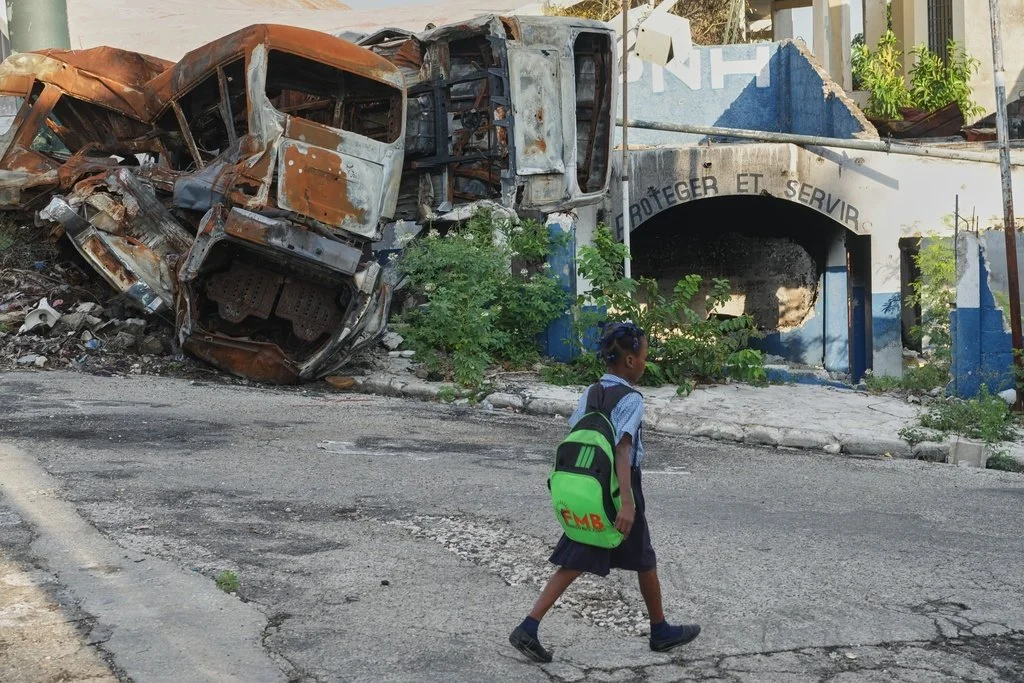
A US-backed security mission is beginning to deploy in Haiti amid cautious optimism from UN officials, but questions remain over whether foreign intervention can reverse years of state collapse and gang control.
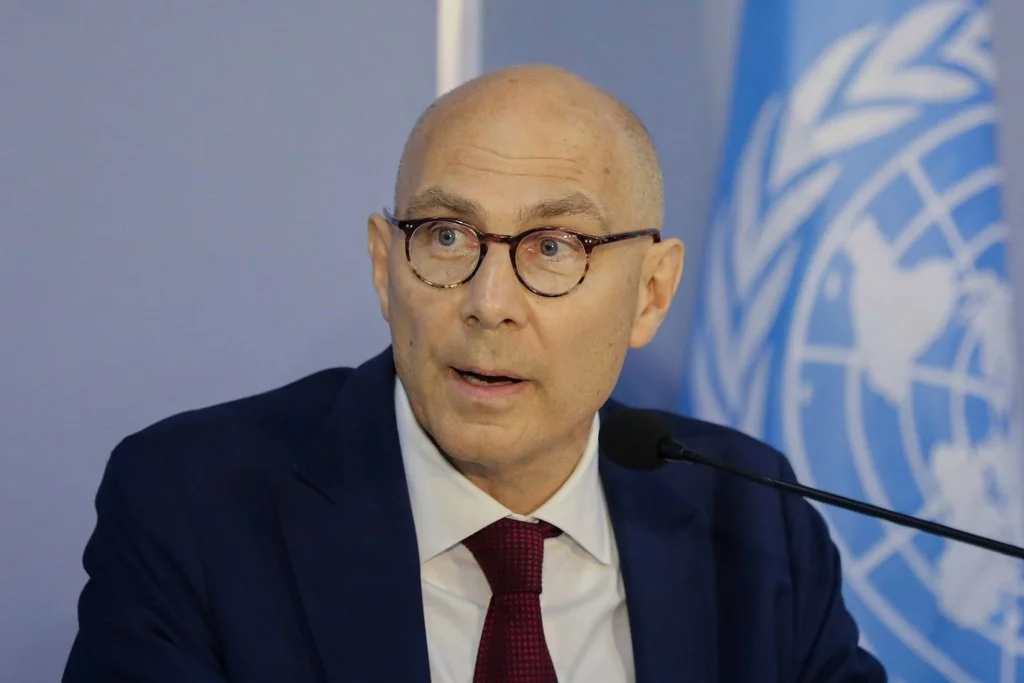
Reports presented to the United Nations Human Rights Council on March 16 indicate that allegations of torture and arbitrary detention in Venezuela have continued despite the removal of President Nicolas Maduro earlier this year.
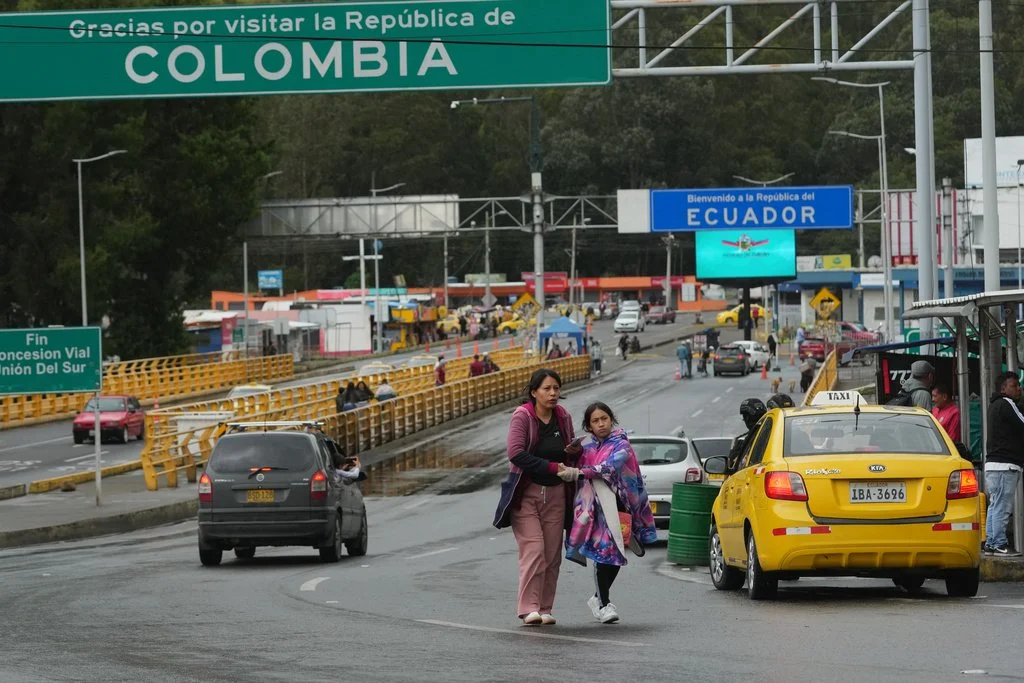
Colombia is preparing to impose a 50 percent tariff on roughly 300 Ecuadorian goods in retaliation for Ecuador's matching increase, escalating a trade dispute that threatens more than $2 billion in bilateral commerce.
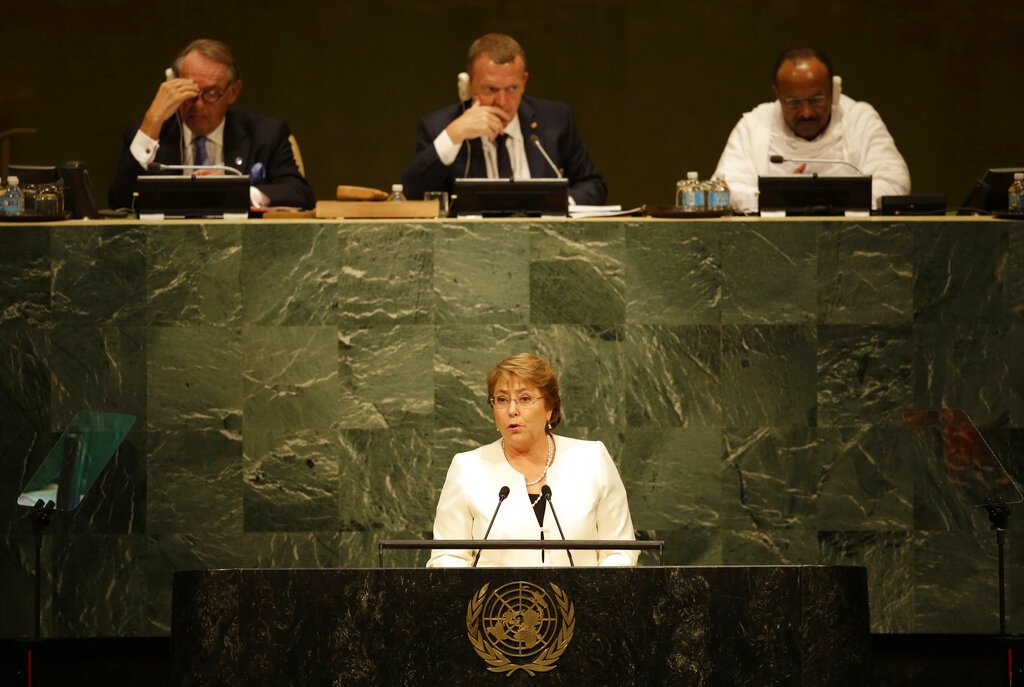
Former Chilean president Michelle Bachelet enters the race to succeed Antonio Guterres as UN secretary-general with backing from Chile, Brazil, and Mexico.

A Peruvian court has sentenced former President Martin Vizcarra to 14 years in prison for accepting hundreds of thousands of dollars in bribes while serving as governor of Moquegua. The ruling adds another former head of state to the growing list of Peruvian presidents convicted or detained on corruption charges.

Brazil’s Supreme Court has ordered former President Jair Bolsonaro to begin serving a 27-year sentence for orchestrating a failed coup attempt to block the transfer of power after the 2022 election. The ruling concludes a multiyear investigation into the plot, which prosecutors say involved plans to sabotage Brazil’s electoral system and assassinate now President Luiz Inácio Lula da Silva and now Vice President Geraldo Alckmin.
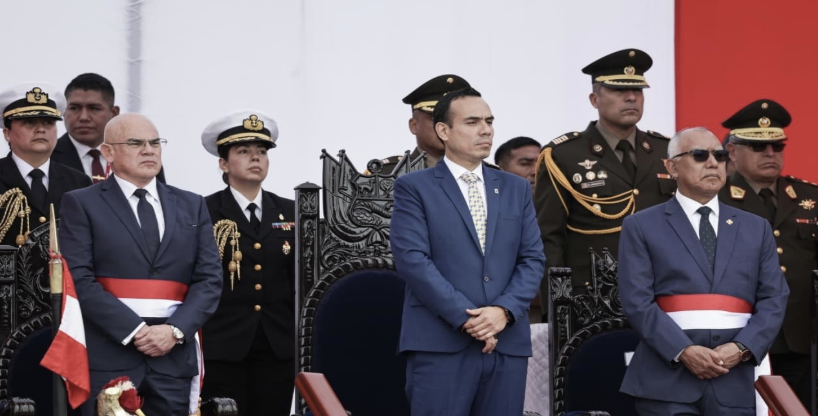
Peru severed diplomatic ties with Mexico after its government granted asylum to former Prime Minister Betssy Chávez, who is facing rebellion charges tied to Pedro Castillo’s 2022 attempt to dissolve Congress. The decision marks the most serious escalation in a relationship already strained by years of political friction
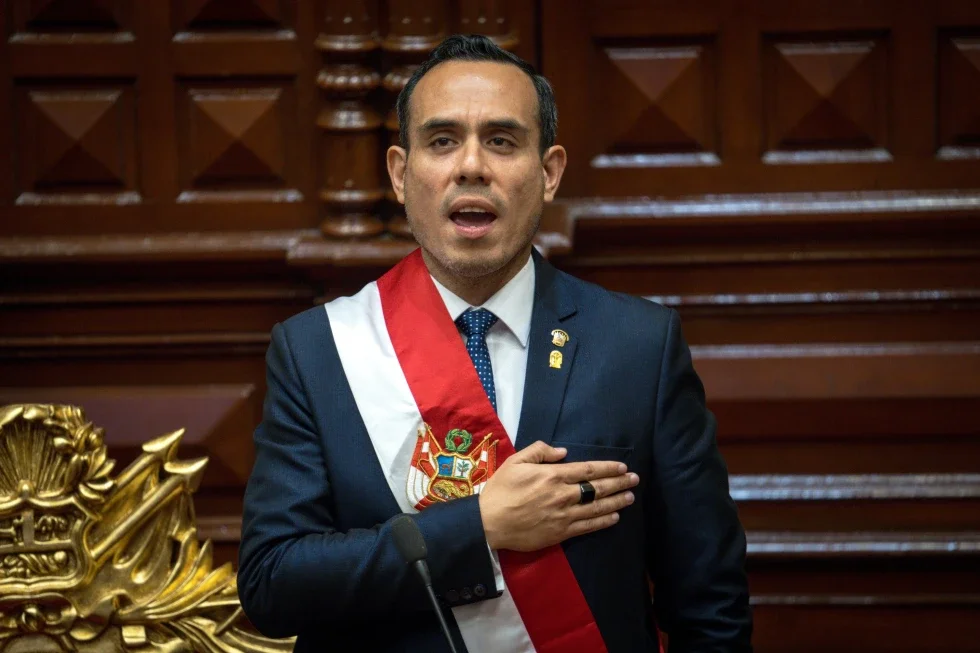
Peru has now seen eight different faces for their presidency in the past ten years. On Oct.10, Congress voted to remove President Dina Boluarte amid allegations of illicit enrichment and public outrage over rising violent crime that left her approval ratings in the single digits.

Nicaragua has withdrawn from multiple international organizations amid allegations of human rights violations. Is this a stand for sovereignty or a move to evade accountability?

Brazil's prosecutor general, Paulo Gonet Branco, officially charged former President Jair Bolsonaro with attempting a coup to prevent Lula Da Silva from taking office in the upcoming 2026 Presidential election.

NYU Stern alumnus Daniel Noboa and Luisa González are set for an April 13 runoff after Ecuador’s Feb. 9 first-round election, but shifting political alliances could reshape the race. As Indigenous leader Leonidas Iza emerges as a key power broker, a feud with Rafael Correa threatens to fracture the left, testing the durability of Correísmo and Noboa’s reelection bid.
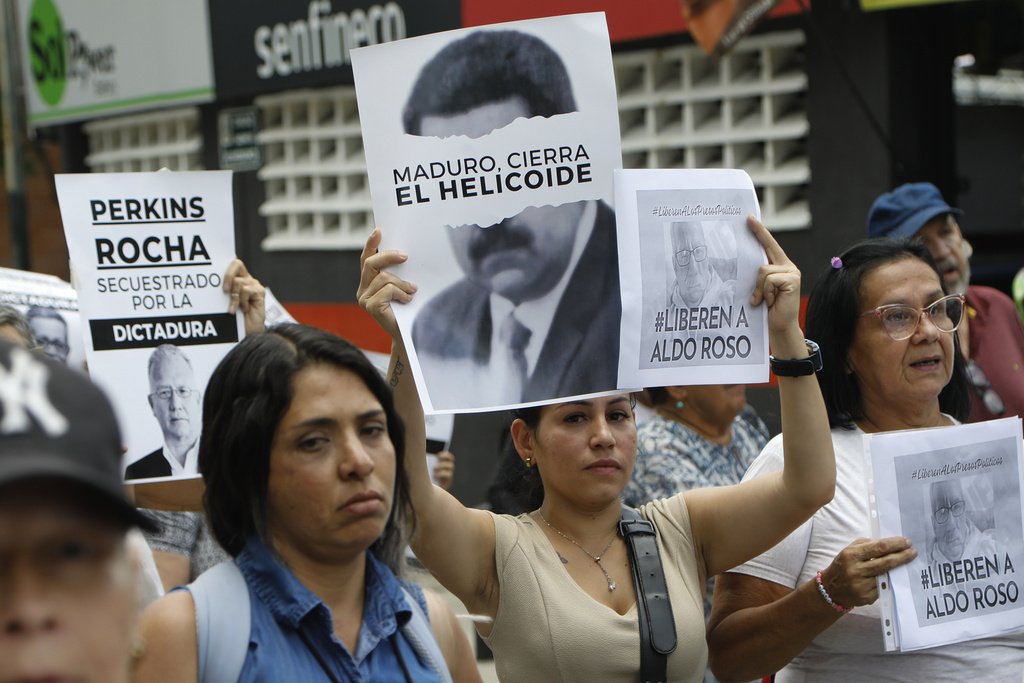
The 158-page report done by the UN’s Independent International Fact-Finding Mission on the Bolivarian Republic of Venezuela revealed a pattern of coordinated human rights violations committed by Venezuelan security forces, government officials, and colectivos - armed, parapolice-like civilian groups loyal to Maduro.

On Wednesday, hundreds of Indigenous people covered in body paint and holding animal images marched in Brazil's capital against the ‘Marco Temporal’ Doctrine.

The Panama Canal, a critical waterway for global trade, is experiencing a severe drought due to the El Nino phenomenon, costing Panama millions of dollars. This drought has led to a significant drop in water in the Gatun Lake; the water source that powers the canal lock system and a water source for residents in Panama City and Colon.
On Sunday, October 20th, Moldova held a referendum vote on joining the European Union (EU), alongside its planned presidential elections.
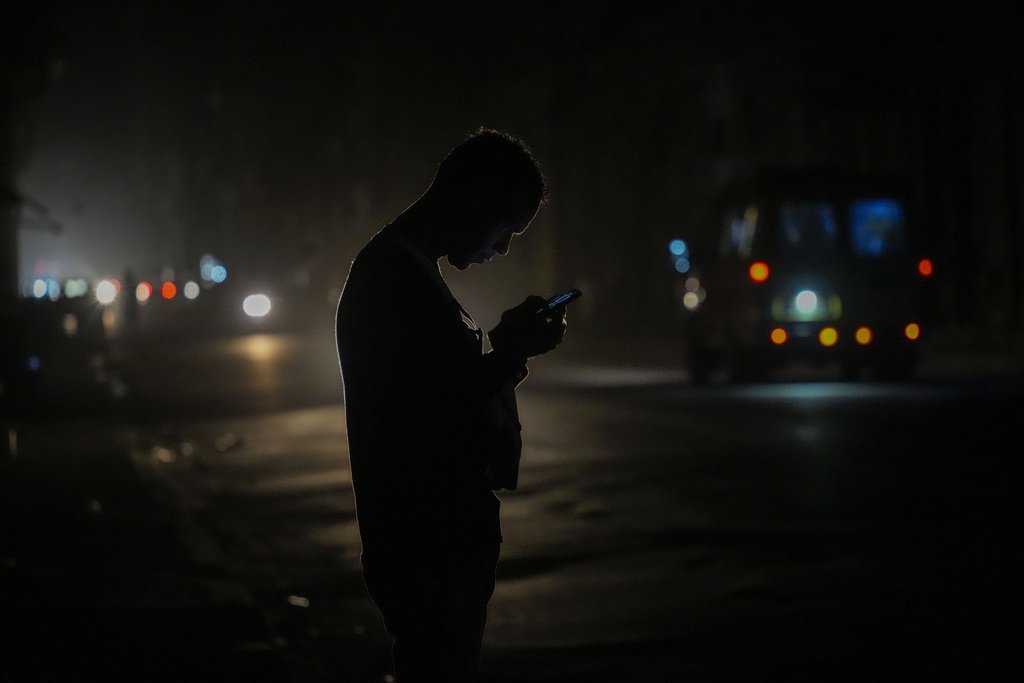
On the evening of Oct. 18, the island of Cuba experienced a blackout, leaving 10 million residents without power.

On Oct. 11, the government of Nicaragua announced it would sever all diplomatic ties with Israel.

The inauguration of North America’s first female head of state, Claudia Sheinbaum occurred this past Tuesday, Oct. 4 in Mexico City

Wildfires in the Amazon are rapidly increasing as a result of climate change and illegal deforestation. Wildfire season in the Amazon used to span three months, from August to October; however, climate change, deforestation, and increased use of land for farming has dramatically increased the season to six months, leading to greater destruction of flora and fauna.

Haiti is currently under a state of emergency as a result of its rampant gang violence—thousands are internally displaced, and millions are facing malnutrition. The violence is exacerbated by the damage of hurricanes and floods that have left millions without homes, causing a dramatic drop in GDP. Gang violence has seeped into all areas of the country, but most notably, the capital of Port-au-Prince. Despite its proximity to the United States, many Americans remain unaware of the humanitarian crisis in Haiti.

Over the weekend 10 more people were reported killed as a result of cartel violence in the Mexican state of Sinaloa. This brings the death toll to over 50, with another 50 missing in the capital city of Culiacan.

Thousands of Bolivians gather on the streets in support of former President Evo Morales, partaking in a 118 mile “March to Save Bolivia” from the village of Caracollo to the political capital of La Paz.

On April 25, Haiti’s transitional council officially took over, signaling the formalization of former Prime Minister Ariel Henry’s resignation. The transitional government is set to govern until the next presidential election, expected by February 7, 2026.

The United States must consider its next steps, as the temporary license to ease restrictions on Venezuela’s oil sanction is set to expire on Thursday. The agreement's condition, which provides necessary breathing room for Venezuela's oil and gas sectors, would depend on President Nicolas Maduro making democratic progress by the upcoming election date of July 28.

In the lead-up to Mexico's largest election, a wave of violence against political candidates has cast a shadow over the country's democratic process. The targeting of candidates by organized crime groups seeking to influence the outcome of elections has raised serious concerns about the integrity of the electoral process and the safety of those participating in it.