
US-Nicaragua Tensions BuildFollowing Nicaragua’s Departure From the UN
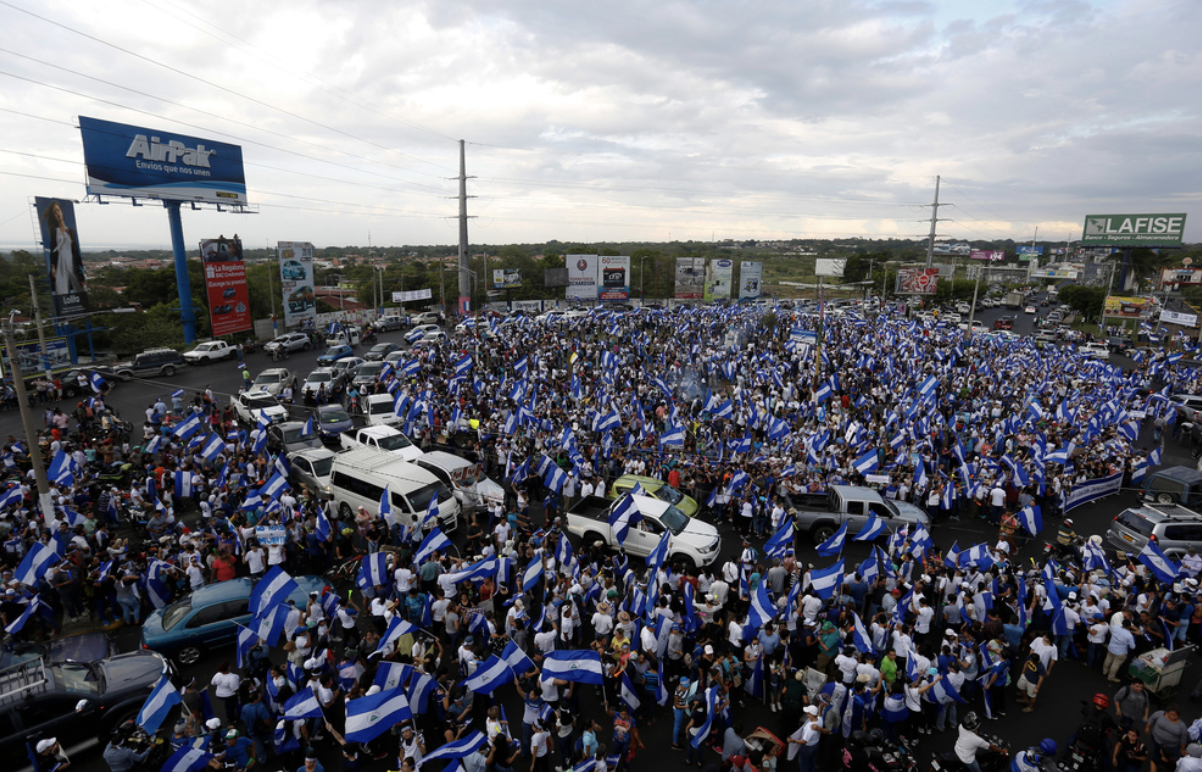
People protest at the Jean Paul Genie roundabout against the government of President Daniel Ortega, in Managua, Nicaragua, on May 15, 2018. (AP Photo/Alfredo Zuniga, File)
On Friday, Oct. 2, 2026, Nicaragua announced that it would be withdrawing from the Central American Parliament. This followed a resolution on Friday from the Organization of American States, of which the US is part of, that called on Nicaraguan authorities to free political prisoners and restore civil liberties.
The Nicaraguan foreign ministry released a statement on Saturday, Oct. 3, 2026, stating that it would be leaving the treaty “in the full exercise of its sovereignty”. Nicaragua has long been critical of the Organization of American States, after leaving the organization in 2023. Nicaragua left the organization due to claims that it had become a tool for US interventionism, a direct hit at the US.
Nicaragua has been criticized for its human rights violations since April 2018, when social protests were suppressed by the police, which resulted in more than 350 deaths and 2,000 injuries. These protests also triggered a wave of people to leave the country, and seek asylum elsewhere, including the United States The departure of Nicaragua from the UN Human Rights Council, following a report that urged the international community to address human rights violations made by President Daniel Ortega’s government in February 2025, marked a rejection of the international community. The UN had criticised the co-presidents of having “transformed the country into an authoritarian state where no independent institutions remain”.
The UN has since urged legal actions against Nicaragua, highlighting human rights abuses in the Latin American country, which they said meet the criteria previously established as crimes against humanity. The co-presidents Ortega and Murillo have rejected such criticism, which they argue are part of an international campaign against the government, with Murillo dismissing the UN report as “falsehoods” and “slander”.
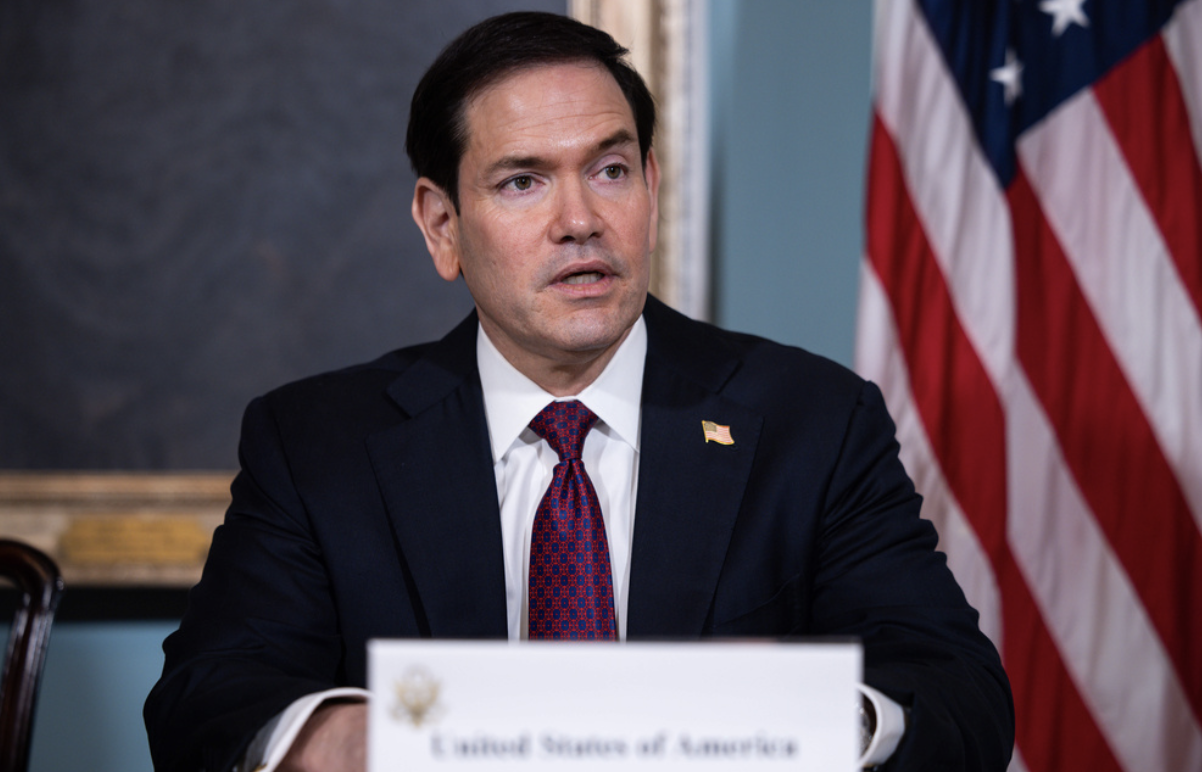
Secretary of State Marco Rubio speaks alongside Paraguay's Vice President Pedro Alliana (not pictured), in the Treaty Room at the State Department, Tuesday, Aug. 4, 2026, in Washington. (AP Photo/Tierney L. Cross)
In July 2026, Nicaraguan President Daniel Ortega said the country would no longer hold elections, after serving two decades in power. This move was directly criticized by US Secretary of State Marco Rubio, following the rewrite of the Nicaraguan constitution rewrite on September 1, 2026. Rubio took to X to discuss the news, stating that the Organization of American States would soon be negotiating stopping business with the Nicaraguan “dictatorship”.
These recent rejections of international pleas to condemn previous human rights violations present an image of a wider rejection of international cooperation. The US is central in calls for countries to abandon trade with Nicaragua, presenting a clear tension between the two nations. Following this announcement that Nicaragua will be departing from the Central American Parliament, a move that further isolates them from international trade, it will be interesting to see how tensions between the two countries rise in the coming months.