
An Attack on Independent Media: The Arrest of an Entire Editorial Team in Egypt
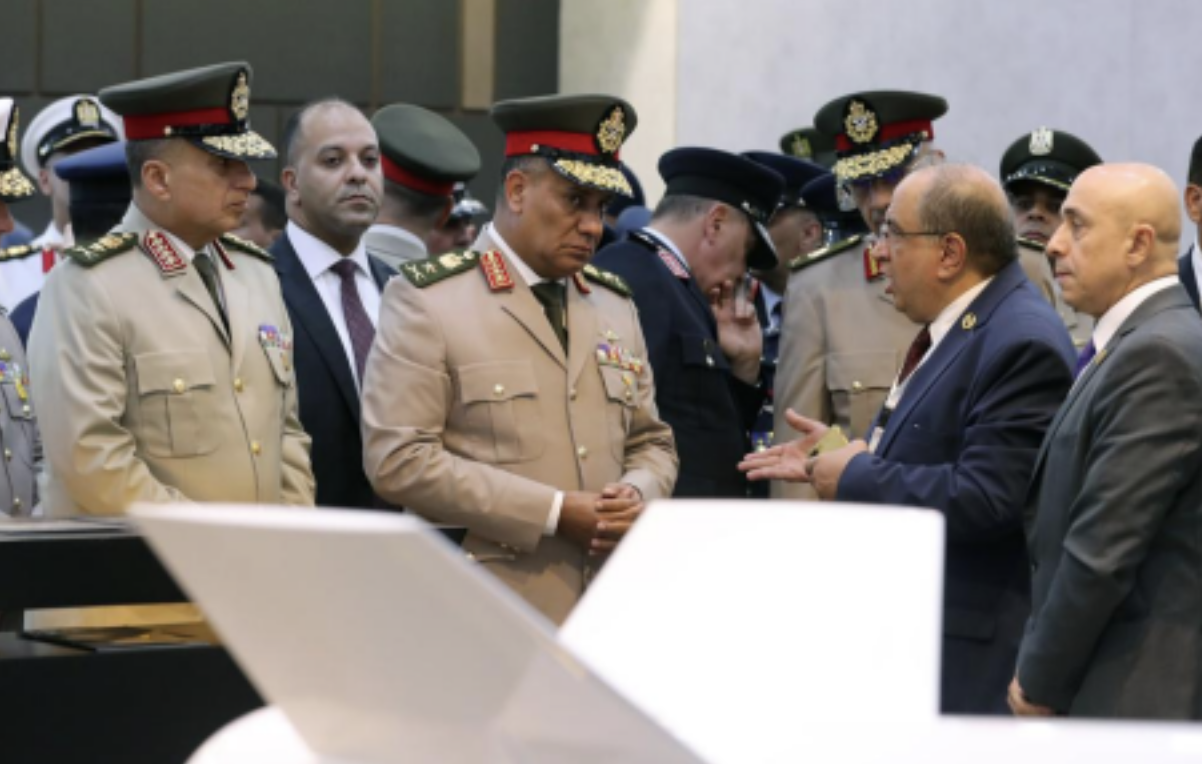
Egyptian Minister of Defense and Military Production Ashraf Salem Zaher, center, visits the second edition of the Egypt International Airshow at al-Alamein airport, in Alamein, Egypt, Tuesday, Sept. 8, 2026. (AP Photo/Khaled Elfiqi)
During the week of Sept. 28, 2026, Egyptian authorities arrested six journalists of the Matsadaash under claims that the individuals belonged to the outlawed muslim brotherhood. The arrests sparked outcry across and beyond the region, causing more than 80 organizations to condemn the actions taken by the Egyptian authorities and call on those authorities to “immediately release” the six detainees.
The Matsadaash was created in 2018 as an independent media outlet where it has since gained recognition as a platform to find in-depth reports regarding public interest issues across Egypt. The outlet has accumulated more than 1 million followers on their Facebook page despite the website being blocked in Egypt. The reputation of Matsadaash made the Sept. 28 arrests
troubling to citizens, however, they are not the first run-in the outlet has had with Egyptian authorities.
In 2023 Matsadaash journalist Karim Asaad was arrested and quickly released following the breaking of a story regarding the seizure of a private plane in Zambia. Similarly, authorities arrested the six journalists this month, alleging that their reporting was “fabricated” and that they belong to the outlawed Muslim Brotherhood."
The Muslim Brotherhood first sprang up in 1928 as a social and religious movement opposing British colonial rule. The Brotherhood quickly grew to become Egypt’s largest Islamist organization, even gaining political leverage when their candidate, Mohammed Morsi, was elected president in 2012. However, in 2013 Morsi was ousted by a military junta, leaving many members of the Muslim Brotherhood exiled and imprisoned. The events of 2013 marked the Brotherhood as a terrorist organization by the Egyptian government, making the claims against the Matsadaash journalists carry tangible gravity.
Following the arrests, Matsadaash co-founder Abdelrahman Mansour spoke out denying the claims made against the six and instead said that it is “unacceptable for the government to make false accusations and forcibly disappear journalists just because they’re afraid of a free
press” according to a recent AP report. Additionally, the location of the arrested individuals is unknown and lawyers have not yet been permitted to contact them, worrying their loved ones who Mansour said “... just want them released unharmed.” The families are not the only ones calling for their release. A global call for the journalists’ release has accumulated more than 80 signatories including prominent organizations such as the Human Rights Watch who said “The arrests of the Matsda2sh journalists come amid longstanding restrictions on independent journalism and freedom of expression in Egypt”.
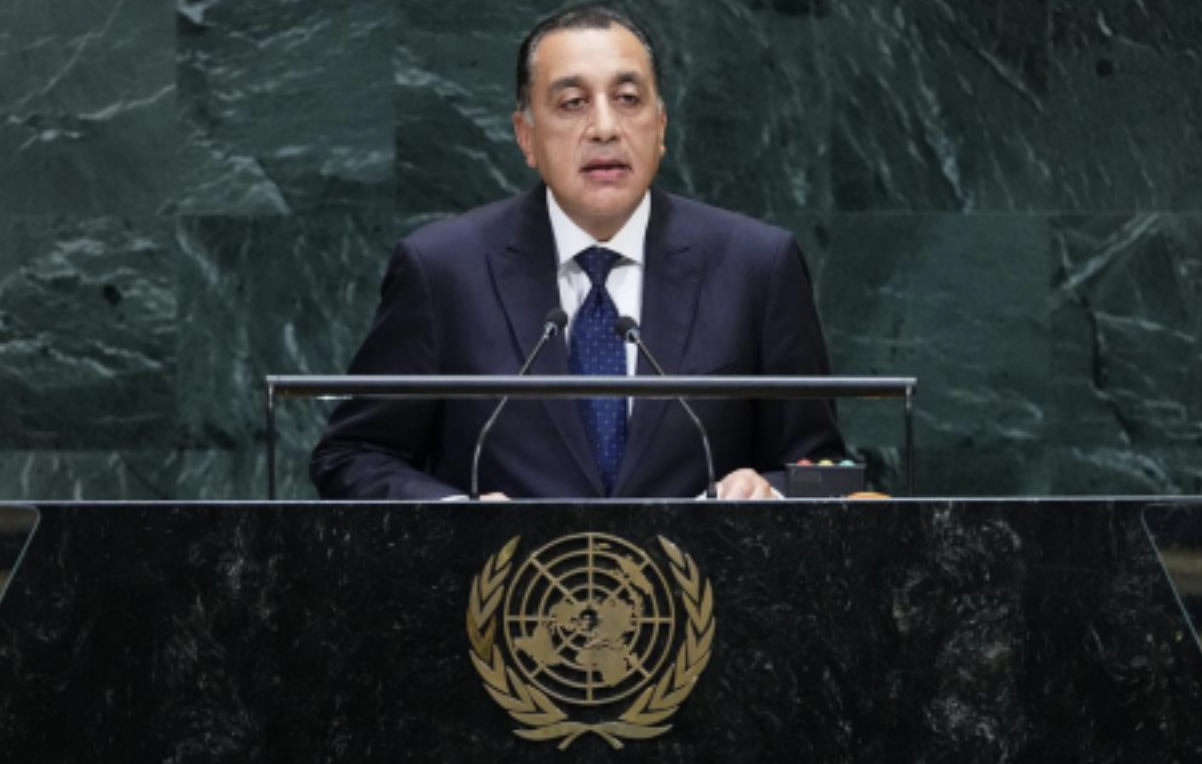
Egypt's Prime Minister Moustafa Madbouly addresses the 81st session of the United Nations General Assembly at U.N. headquarters Friday, Sept. 25, 2026. (AP Photo/Frank Franklin II)
The six arrested Matsdaash journalists have still not been released. Their whereabouts were unknown for five days, until Oct. 4, when they appeared before the Supreme State Security Prosecution.. There, the journalists alleged that their jailers tortured them.. Causing more human rights groups to call for not only the release of the Matsdaash journalists, but a greater investigation into the allegations made against the Egyptian authorities. This case in Egypt has served as a catalyst for significant conversations circulating around the world regarding independent media, freedom of expression, and censorship in the country.
Accordingly, Egypt has been documented as one of the top jailers of journalists globally with 25 currently imprisoned. This stark statistic provides support for the calls to reform the systematic issues in the country, regarding freedom of expression, following the September 28 arrests. Notably, Egypt is a party to the The International Covenant on Civil and Political Rights, which highlights the protection of freedom of expression. Egypt’s position with the Covenant makes the condemning statements from various human rights groups carry all the more weight. Specifically, the Tahrir Institute for Middle East Policy said “Independent journalism is critical in any free society and Egyptian authorities’ failure to allow free exercises of expression to thrive flies in the face of a purported commitment to dialogue, transparency, anti-corruption, and regional leadership.” Coupled with the allegations of torture, the Egyptian authorities are subject to serious discourse regarding their methods of humanitarian governance.
With the world zooming in on this case, many new calls of action, claims, and interpretations are being spread. Yet, at the core of it all are six journalists, Abdullah Qadry, Mohammed Ashraf Abu Emeira, Islam Barakat, Omar Helal, Mohammed Mahmoud, and Mohammed Adel whose loved ones, at the time of writing this article, still await their release.