
Starmer Pivots on Iran War, Creating Domestic and International Dissent
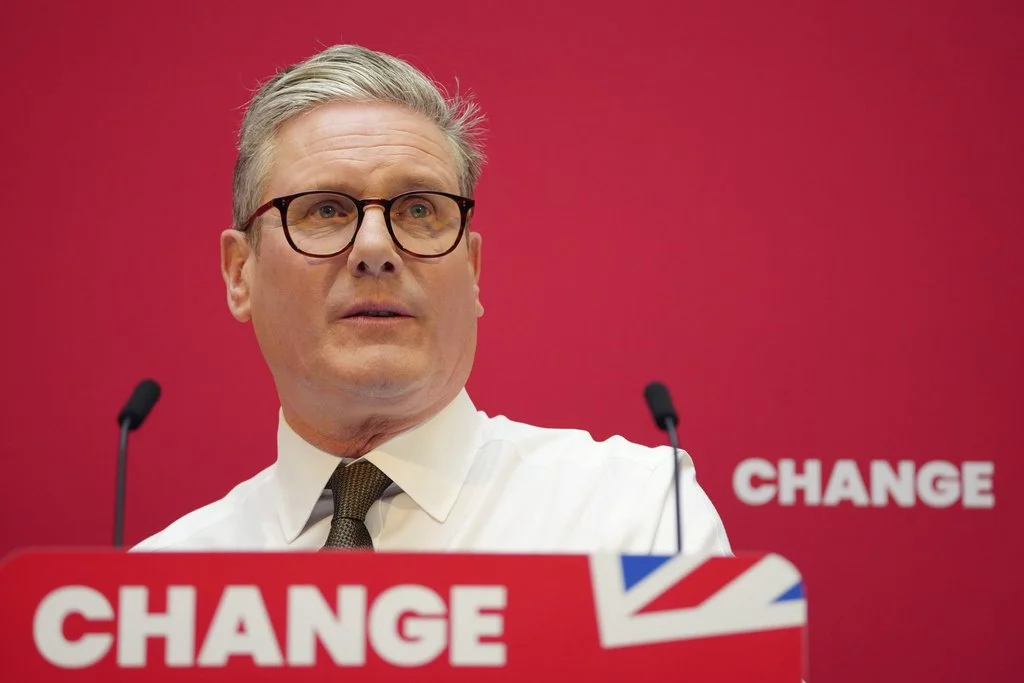
Britain's Labour Party leader Keir Starmer speaks on stage at the launch of The Labour party's 2024 general election manifesto in Manchester, England, Thursday, June 13, 2024. The election will take place on July 4. (AP Photo/Jon Super)
On Feb. 28, President Trump initiated a military offensive against Iran alongside Israel. Shortly after, he asked British Prime Minister Keir Starmer for access to UK airbases such as Diego Garcia. Starmer faced a massive dilemma between supporting his closest ally and navigating intense domestic pressure. After initially refusing the request, he pivoted following Iran's retaliation, ultimately allowing base access strictly for limited defensive purposes. This delayed decision strained relations with the US while sparking intense scrutiny at home.
The first wave of military attacks in Iran destroyed a girls’ primary school in the southern part of the nation, killing approximately 150 people in Minab. The UN quickly condemned the devastating strike as a grave violation of humanitarian law. Fearing a repeat of the heavily criticized Iraq War, Starmer initially refused Trump’s request. He later defended his initial hesitation in the Commons, arguing that he would not risk British military lives without a proper lawful basis.
The British government recently agreed to hand sovereignty of the Chagos Islands to Mauritius while maintaining authority on the Diego Garcia base. President Trump strongly opposed this agreement, describing it as an act of great stupidity and demanding that the UK keep the land. After this accord, Starmer’s initial hesitation to assist the Iran offensive further deteriorated the “special relationship” between the UK and the US. This diplomatic disagreement now directly threatens the historical US-UK Economic Prosperity Deal (EPD), which would shield Britain from staggering US tariffs.
Less than 48 hours after Starmer’s initial refusal, Iran retaliated with two drone strikes against the RAF airbase in Akrotiri, Cyprus. Following these targeted strikes, Starmer pivoted, arguing that UK involvement was now in accordance with international law due to Iran’s actions. Despite this change of stance, Trump publicly castigated the Prime Minister by saying “this is not Winston Churchill that we're dealing with.”
At home, Starmer and the majority Labour government face severe dissent, as UK wages remain stagnant following the 2008 economic crisis. Furthermore, harsh cuts to public services have left many voters feeling “poorer than ever.” The Labour Party promised to support the working class, yet has widely disappointed those of lower socioeconomic status. Starmer has also alienated his progressive base by adopting right-wing anti-immigration rhetoric to fight the rising Reform UK party.
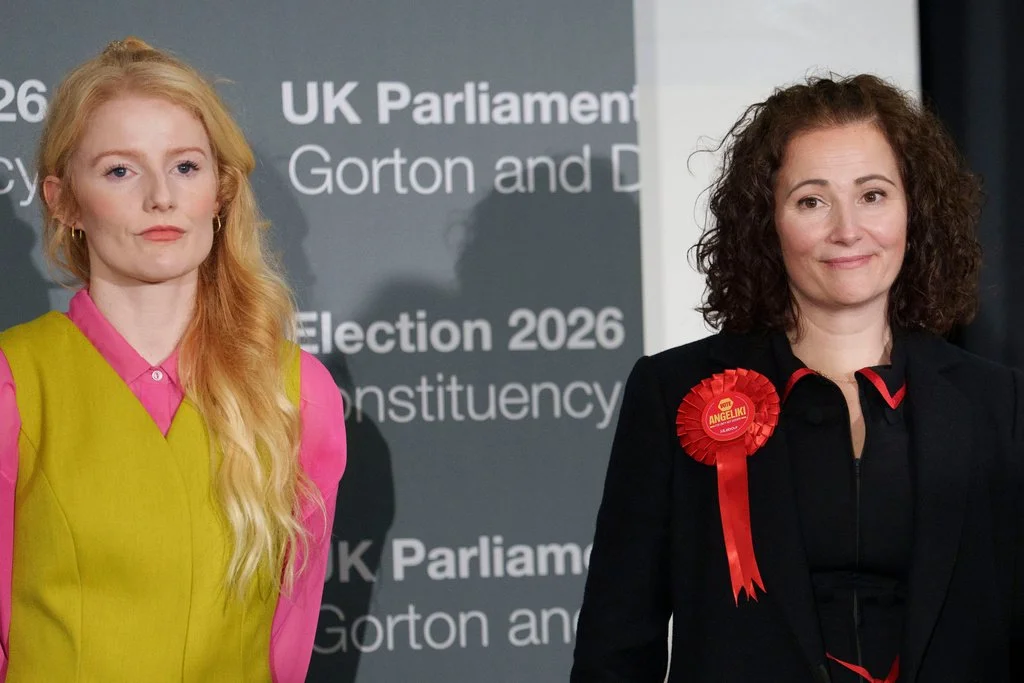
The Green Party winning candidate Hannah Spencer, left, stands alongside Labour candidate Angeliki Stogia after the results are announced in the Gorton and Denton by-election, Manchester, England, Friday, Feb. 27, 2026. (AP Photo/Jon Super)
Labour recently experienced a humiliating defeat to the Green Party in the Gorton and Denton by-election. Less than two years ago, the party won the Parliamentary seat with a majority of 13,000 votes. However, in February 2026, Labour's local councilor Angeliki Stogia received just over 9,300 votes. The election reflects the general public’s declining opinion on the Labour Party. A pan-European survey conducted at the end of August by the polling company YouGov found that just “22 percent of British people have a favourable opinion of Starmer.”
Starmer originally rebuilt Labour’s platform on a promise of strong national security and adherence to international law. However, this escalating crisis has contradicted the Prime Minister’s pledges. Progressive voters heavily criticize Starmer for increasing UK involvement in Iran, especially with the MP now deploying UK jet fighters to the Middle East. On the other end of the political spectrum, right-wing factions such as Reform UK have weaponized his initial hesitation, framing his delayed response as a failure to support key allies.
Internationally, his attempt to sit on the fence has drawn criticism. President Trump insists Starmer’s limited defensive support is not enough. Meanwhile, European allies are taking much firmer stances against the US offensive. For example, Spain banned the US from using its military bases and has strongly condemned the strikes.
It remains unclear what Starmer’s indecision will achieve. He is currently attempting to appease unsatisfied British voters alongside an unpredictable American president. Ultimately, this tactic may put the UK’s global economic and political future in jeopardy, while dragging down the Labour Party at home.