
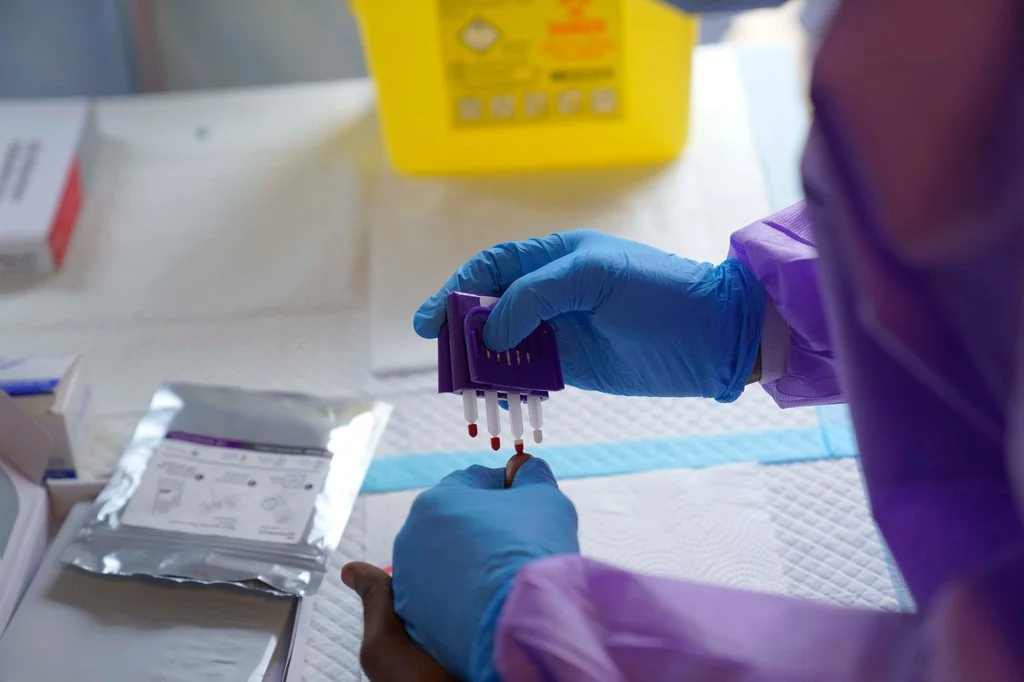
A health worker collects a blood sample from a patient before administering a dose of the Tumaini vaccine against Ebola virus, in Ituri, Congo, Friday, Oct. 23, 2026. (AP Photo/Dieudonne Dirole)
On Oct. 26, 2026, a nurse was killed and another health worker severely injured in an attack while responding to an Ebola alert. The two were accused by local youths of contaminating water sources and spreading the virus. With healthcare workers working day and night to contain the virus, one of the greatest challenges lies in the misinformed public. Such misinformation is fueled by deep-rooted mistrust of authorities, political tensions, fear, and rumors circulating within communities. The World Health Organization (WHO)’s regional director for Africa, Dr Mohamed Yakub Janabi, condemned the attack, stating “Health is NOT a target”. He warned that healthcare workers should be protected and “misinformation and fear must never fuel violence.”
The Democratic Republic of Congo (DRC) is facing one of the deadliest Ebola outbreaks in history. With more than 5,000 people reported dead and more than 10,300 confirmed cases, this marks the 2nd-largest Ebola outbreak in history. Since the outbreak began in May, the virus has spread across eight of the 26 provinces with a case fatality rate of 48.6 percent. The outbreak is caused by the Bundibugyo strain of Ebola, with no current treatment or vaccine. The virus spreads through contact with bodily fluids of an infected person, including blood and vomit. The virus is expanding beyond the DRC, with Kenya and Nigeria reporting cases.
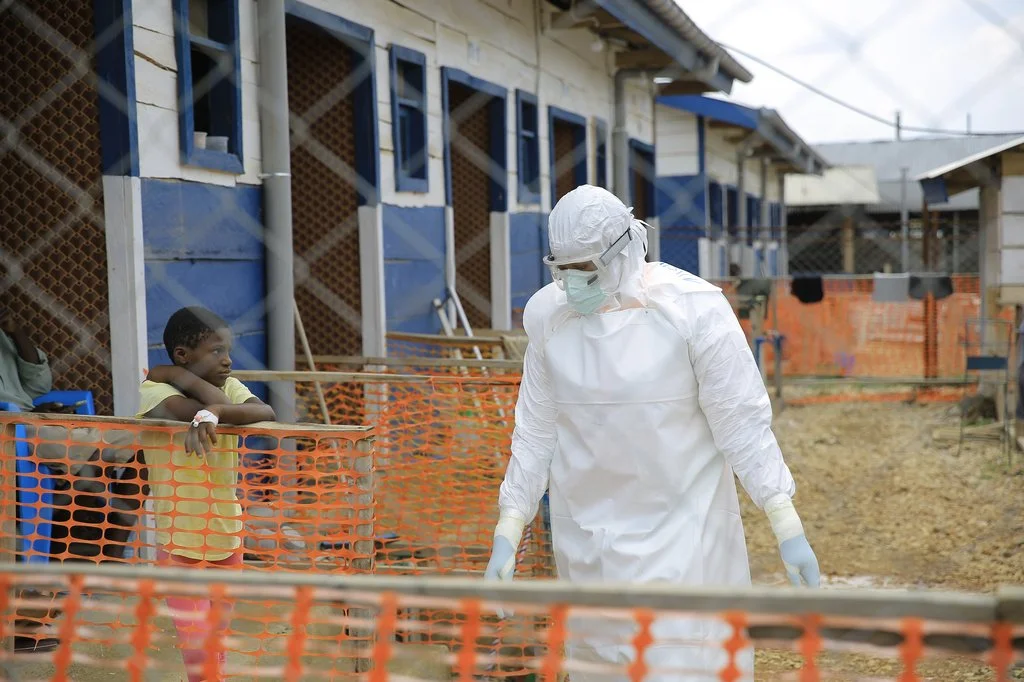
A healthcare worker walks by a young patient inside an Ebola treatment center in Beni, North Kivu Province, Congo, Monday, Nov. 2, 2026. (AP Photo/Sebastien Kitsa Musayi)
The recent attack reflects an increasing pattern of violence against people working to contain the outbreak. Last month, politician Marie-Celestin Karondwa was beaten to death after encouraging people to follow Ebola prevention measures to stop the spread of the virus. He appeared on a radio programme to raise awareness and told listeners that they should not question the existence of the virus. Afterwards, attackers beat Karondwa, stole his belongings, and set his house on fire.
In August, the Red Cross condemned attacks on its staff. One hundred days after the Ebola outbreak was declared, 12 volunteers had been injured and an ambulance damaged. These repeated attacks further put lives at risk, making it harder to deliver health and humanitarian services. The Red Cross called on communities to respect and protect humanitarian workers and their efforts to contain the outbreak.
Mistrust and fear have also expanded to disagreements on how people are buried. In May, an angry crowd set fire to two health center tents after authorities refused to hand over the body of footballer Eli Munongo Wangu for his family to bury. As bodies are still highly infectious after death, unsafe burials can further spread the virus. Despite the family’s protests, authorities proceeded with a safe burial. The crowd later, in response, burnt down the medical tents, which were being used to treat six patients.
As Dr Wessam Mankoula from the Africa Centres for Disease Control and Prevention told the BBC, “Ebola misinformation is Ebola's greatest ally”. He added, “False rumours delay care for people who need help and fuel attacks on health workers and health facilities, disrupting outbreak control and giving the virus more opportunities to spread.”