
Before COP31: Why the Pacific Is Taking Centre Stage in Climate Diplomacy
For Pacific island nations, climate change is already reshaping daily life, threatening coastlines, livelihoods, and national security. As governments prepare for the next United Nations climate summit, the countries most exposed to climate change have a central role in deciding how the world responds.
The Pacific Pre-COP took place in Nadi, Fiji, from Oct. 5-8, alongside a leaders’ event in Tuvalu. Representatives from more than fifty countries gathered ahead of the 31st Conference of the Parties, or COP31, scheduled for Nov. 9-20 in Antalya, Türkiye. Fiji, Tuvalu, and Australia worked together to organize the meetings, which aimed to place Pacific priorities at the center of international climate negotiations.
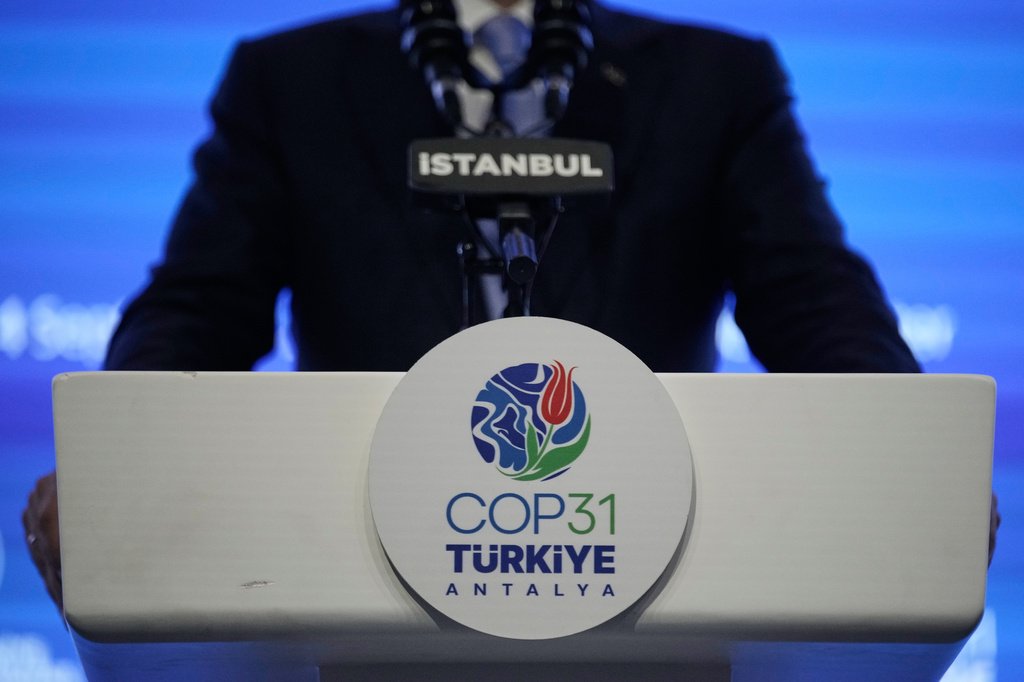
COP31 President-designate and Turkey's Environment, Urbanization and Climate Change Minister Murat Kurum speaks during the Istanbul Climate Finance Summit in Istanbul, Turkey, Friday, Sept. 4, 2026. (AP Photo/Khalil Hamra)
Pre-COP meetings give governments an opportunity to discuss their positions before formal negotiations begin, identify areas of agreement, and address disagreements. This year's gathering also offered international leaders a chance to hear directly from Pacific communities facing the effects of rising temperatures and sea levels.
The location was significant as Tuvalu, a low-lying island nation, faces growing risks from rising seas, coastal erosion, and damage to its ecosystems. Visits to climate-affected areas and adaptation projects highlighted the challenges faced by communities who are substantially exposed to climate change. For Pacific governments, the issue extends beyond environmental protection. The health of the ocean affects food security, economic activity, cultural traditions, and the future of island territories. Their participation in climate diplomacy is therefore also a question of development, security, and national survival.
The Pacific Pre-COP centered on four major priorities that are expected to shape discussions in Antalya. The first is keeping the goal of limiting global warming to 1.5 degrees Celsius within reach. Under the Paris Agreement, countries committed to holding the rise in global average temperatures well below 2 degrees Celsius while pursuing efforts to limit it to 1.5 degrees. For Pacific island nations, every fraction of a degree matters because greater warming increases the risks of sea-level rise, extreme weather, and ecosystem damage. Achieving this goal requires countries to strengthen emissions-reduction efforts and turn existing commitments into measurable action.
The second priority is accelerating the transition to clean energy. Governments face pressure to expand renewable energy, electrify transport and other sectors, and increase investments in cleaner industries. Australia has described COP31 as an opportunity to focus on implementation, shifting attention from promises toward practical results. However, the pace of this transition remains a point of international disagreement, particularly among countries with significant fossil-fuel industries.
Ocean protection is the third priority. Rising ocean temperatures, acidification, and changing marine ecosystems threaten coastal communities and biodiversity. The Pacific discussions placed emphasis on sustainable ocean management and the blue economy, which includes economic activities linked to marine resources. For island nations, protecting the ocean is closely connected to maintaining livelihoods and ensuring long-term economic stability.
The fourth priority is climate finance. Developing countries need funding to strengthen infrastructure, prepare for climate-related disasters and adapt to changes that are already taking place. They also seek support for loss and damage caused by climate impacts that cannot be fully avoided through adaptation. The availability of funding, the terms under which it is provided, and the responsibility of wealthier countries remain important questions in international climate negotiations.
Although Türkiye will host COP31 this year, Australia is serving as president of negotiations, giving the state a central responsibility in guiding diplomatic discussions and helping countries work toward agreements. Australia's position presents additional challenges. It is a wealthy regional power with significant fossil-fuel industries, while many of its Pacific neighbors face severe climate risks despite contributing relatively little to global emissions. Climate campaigners have called for stronger action from countries whose economies remain connected to coal and other fossil fuels.
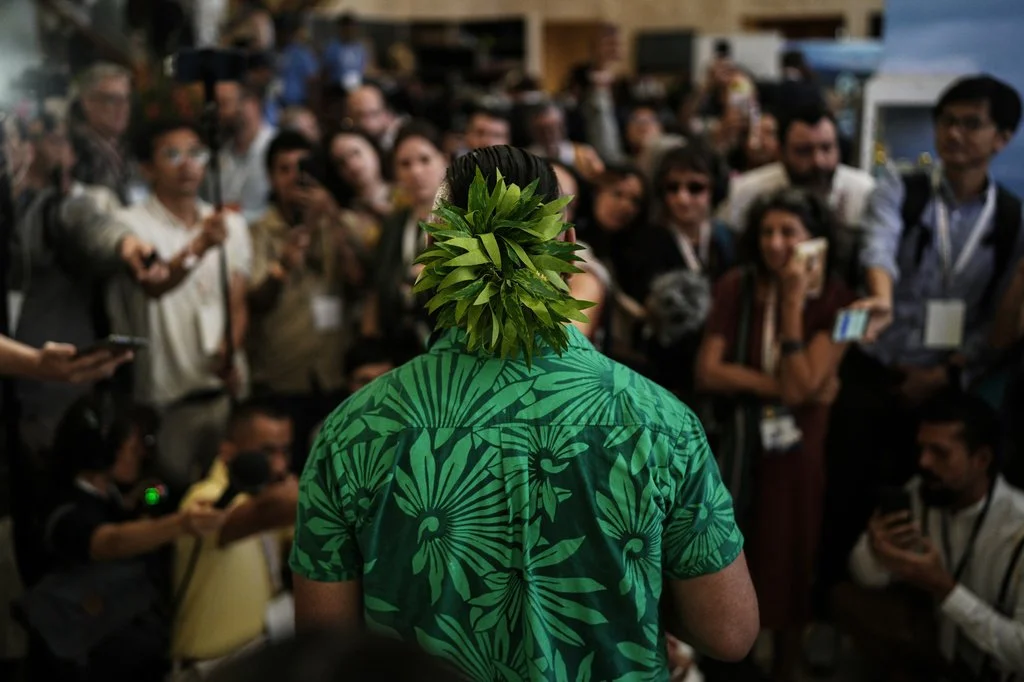
Joseph Sikulu, an activist from Tuvalu, talks during a conference aimed at transitioning away from fossil fuels Wednesday, April 29, 2026, in Santa Marta, Colombia. (AP Photo/Ivan Valencia)
This tension makes the Pacific Pre-COP an important test of how Australia will approach its regional relationships and international climate responsibilities. Giving Pacific countries a platform is one step; translating their concerns into commitments, funding, and emissions reductions will require agreement among governments with different economic interests. As COP31 approaches, the Pacific's central question for world leaders remains whether international climate diplomacy can deliver results quickly enough for the communities already living with its consequences.