
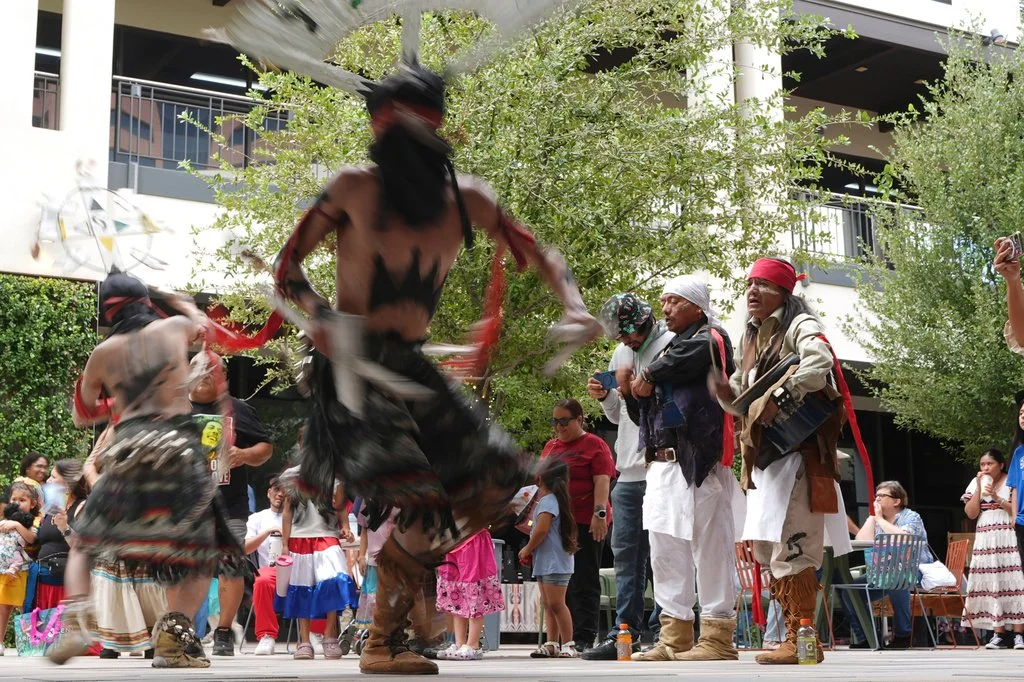
Members of Chābētū Apache Crown Dancers perform at an Indigenous Peoples Day event in Phoenix, Monday, Oct. 12, 2026. (AP Photo/Ross D. Franklin)
While it’s disputed what the second Monday of October marks – Indigenous Peoples’ Day or Columbus Day – what is widely recognized is the importance of Indigenous ecological knowledge.
Before the colonization of the modern-day US, Native Americans lived and cared for the land for thousands of years. The displacement of Indigenous people and suppression of their culture and practices, including ecological work for the environment, led to the deterioration of the natural landscape. By preventing Indigenous customs such as cultural burning, the American landscape has experienced more severe wildfires and ecosystem destruction.
Drawing on the valuable ecological knowledge of Indigenous peoples, scholars argue that co-management and Indigenous leadership are essential for inclusive conservation to best support ecosystems and biodiversity.
A recent co-management plan was announced by the California Department of Fish and Wildlife (CDFW) in September. The CDFW bought 640 acres of western Joshua Tree habitat to be co-managed by the CDFW and California Native American tribes. This new acquisition is part of the Western Joshua Tree Conservation Plan, created by the CDFW, the Fish and Game Commission, government agencies, California Native American tribes, and the public. This followed the passage of the Western Joshua Tree Conservation Act in 2023 in California. The goals of the Western Joshua Tree Conservation Plan include protecting Joshua trees and emphasizing tribal engagement. In doing so, Indigenous ecological knowledge will be recognized and incorporated into conservation plans, providing Native Americans with the opportunity to actively participate in, support, and lead restoration efforts.
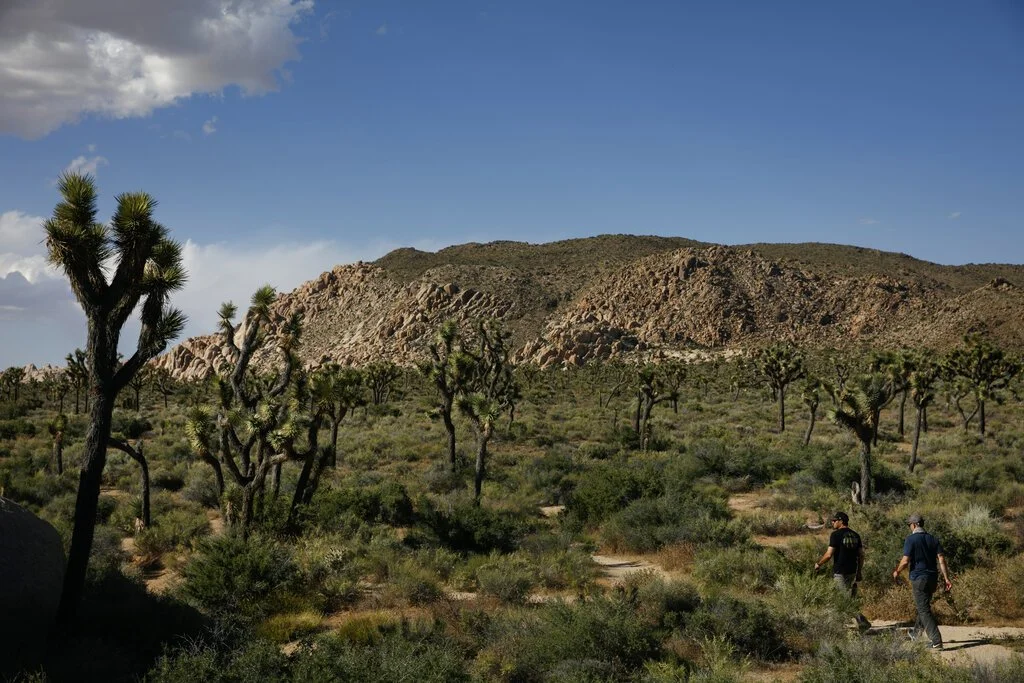
Two hikers walk along a trail at Joshua Tree National Park in California, Tuesday, May 19, 2020. (AP Photo/Jae C. Hong)
The Western Joshua Tree Conservation Plan's inclusion of Indigenous people underscores the important role Native Americans play in conservation. A 2008 study published by the World Bank examined the relationship between Indigenous management and biodiversity, finding that 22% of Earth’s land overseen by Indigenous people holds 80% of global biodiversity. The reason for the dramatic impact Indigenous practices have on landscapes stems from a fundamentally different worldview from that of the West. In Michael-Shawn Fletcher’s peer-reviewed article, he explains that Indigenous worldviews find humans and nature as interconnected systems, whereas a Western perspective tends to view humans and nature as separate entities. Such is evident in the perspectives of European colonizers, who believed the land they colonized had previously been untouched, pristine wilderness, overlooking the thousands of years of Indigenous people living and managing the environment.
Western conservation policies tend to favor fortress conservation: the belief that the best way to preserve nature is to create protected areas separate from humans. This Western methodology practices working with ecosystems and undermines Indigenous knowledge. In the US, we see the fortress conservation model used in the creation of national parks. Yellowstone, the first national park, was established in 1872, on Crow, Blackfeet, and Shoshone-Bannock land, displacing these Indigenous communities from their home in an effort to protect the area. Over time, the American government has largely separated Indigenous people from their land, inhibiting their knowledge of conversation practices from benefitting the ecosystems.
Conversely, the Western Joshua Tree Conservation Plan demonstrates a different approach to conservation: co-management. By incorporating Native Americans in conservation, Indigenous knowledge and Western technology will be able to increasingly work together in an effort to promote resilient ecosystems.