
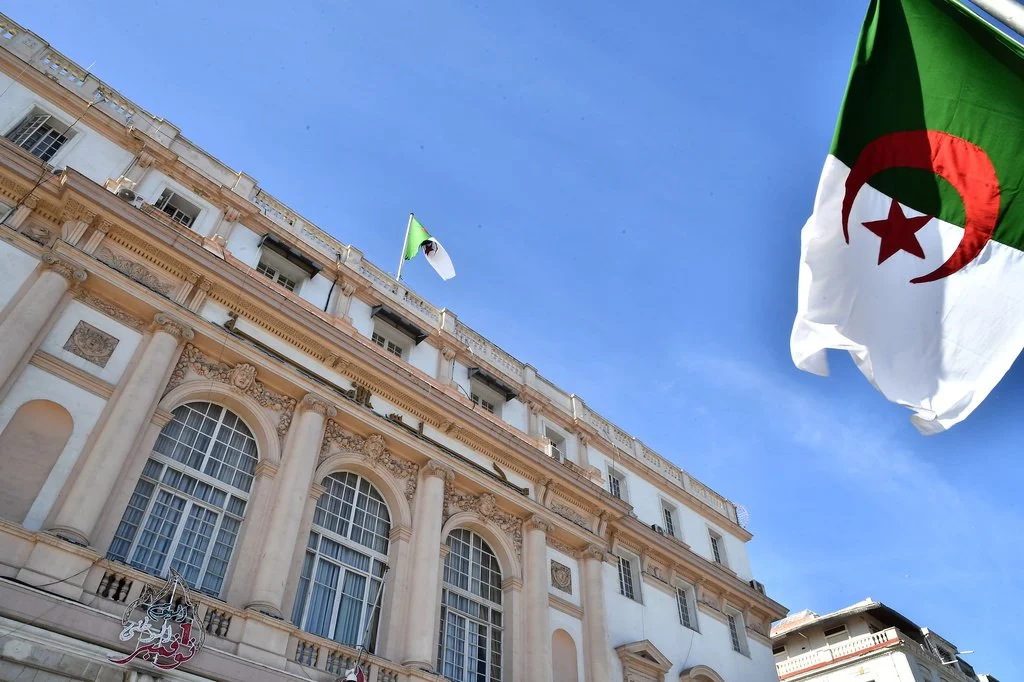
Algerian flags are waved outside the parliament building in Algeria, Sunday, Oct. 25, 2026. (AP Photo/Fateh Guidoum)
On Oct. 26, Algeria approved deploying forces to Niger, marking a significant development in its security policy and involvement in the Sahel. Parliament approved the decision, and President Abdelmadjid Tebboune announced it. The deployment marks Algeria’s first mission abroad since it sent troops to support Egypt during the 1973 Arab-Israeli War. The Algerian president said the decision followed a request from Nigerien authorities for military assistance and that “the decision was taken in accordance with the Constitution, particularly Articles 30 and 91, following a request from Niger's authorities.” Article 30 of the Algerian Constitution defines the military's responsibility as defending the country’s sovereignty and strategic interests. Article 91 authorizes the president to deploy military units abroad with approval from two-thirds of each chamber of parliament. These constitutional provisions provided the legal framework for Algeria's planned deployment to Niger.
Beyond the security threat, Algeria’s involvement in Niger is also tied to the interests of its state-owned energy company, Sonatrach, which explores and drills for oil in northern Niger. Sonatrach has advocated for the Trans-Saharan Gas Pipeline, a planned pipeline that would stretch more than 4,000 kilometers through Nigeria, Niger, and Algeria. The concept has existed for decades, but recent developments suggest the three countries are moving toward implementation. Sonatrach’s website describes the pipeline's potential, stating, “Its implementation aims to establish a new strategic export corridor of African natural gas to international markets, particularly in Europe.” Once built, the pipeline will give Nigeria easier access to the European market, and it would position Algeria as a key European energy supplier and bridge to Sub-Saharan Africa.
On June 3, 2026, officials from Algeria, Niger, and Nigeria met in Algiers to review the feasibility of the pipeline and discuss its implementation. Later that month, Algeria officially launched construction on the section of the pipeline that will cross its territory. Although the pipeline is not yet operational, the renewed cooperation demonstrates the continued interest in the project. This comes as European countries seek to diversify sources of natural gas, as trade has been affected by both the Iran War and the Russia-Ukraine War. Algeria is already an established energy supplier to Europe, and a pipeline connecting it to Nigerian reserves could expand the country's role in the European energy trade. However, the continued insecurity in the Sahel has made the project more complicated, as protection of the infrastructure will be difficult, and the pipeline cannot avoid Niger, which sits squarely between Nigeria and Algeria, increasing the salience of Niger’s security situation.
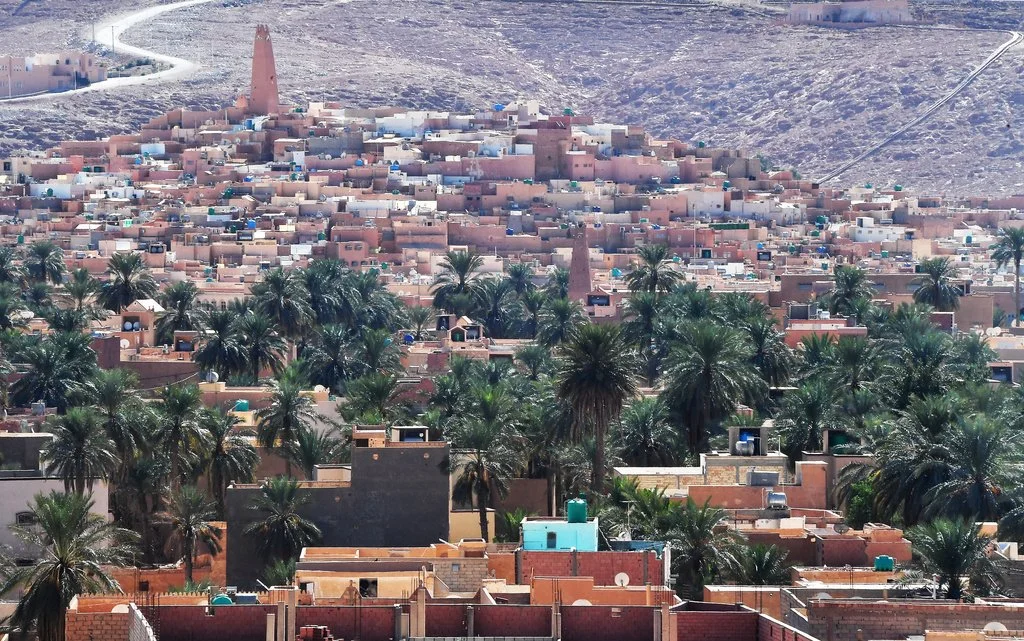
A view of the Ksar of Ghardaia, known as Taghardait, a UNESCO heritage site in M'zab Valley, Algeria, Monday, Oct. 26, 2026. (AP Photo/Fateh Guidoum)
The Algerian government says protecting shared economic interests is the main purpose of the recent troop deployment. The decision could help Algeria secure and stabilize a route for the Trans-Saharan Gas Pipeline. Niger has faced attacks from armed groups associated with larger international groups such as al-Qaeda and the Islamic State, which have taken advantage of the chaotic political environment since the military coup that removed President Mohamed Bazoum in July 2023.
Algeria has already provided military support to Niger this year. It has offered weapons and aircraft to Niger but has refrained from sending troops until earlier this week. As Niger has faced more security threats, Algeria has been one of the country’s largest supporters, helping the junta in Niger retain power. The latest deployment follows a period of warming relations between Algiers and Niamey. The current Nigerien regime is relatively new, having come to power in 2023 by a coup. Algeria had originally been wary of the coup, which led to diplomatic tensions from 2023 to 2025. In the past year, though, as Niger’s security situation worsened, Algerian support has warmed the relationship. More recently, diplomatic and military engagement between Algeria and Niger has increased, including a visit by Nigerien Defence Minister Salifou Modi to Algiers in October, during which the two countries signed a military cooperation protocol.
Algeria's deployment comes amid instability in the Sahel and growing economic and security cooperation between Niger and Algeria. On Oct. 3, President Tebboune declared, "We will protect Niger no matter what," citing agreements between the two countries in the oil, mining, and other sectors. After parliament approved the deployment, Algeria said the mission was meant to protect the two countries' "common energy and economic interests." The decision highlights the growing connection between Algeria's economic interests and its regional security priorities, particularly as Algeria seeks to expand energy cooperation with Niger and Nigeria.