
Colombia and Ecuador Tariff Escalation
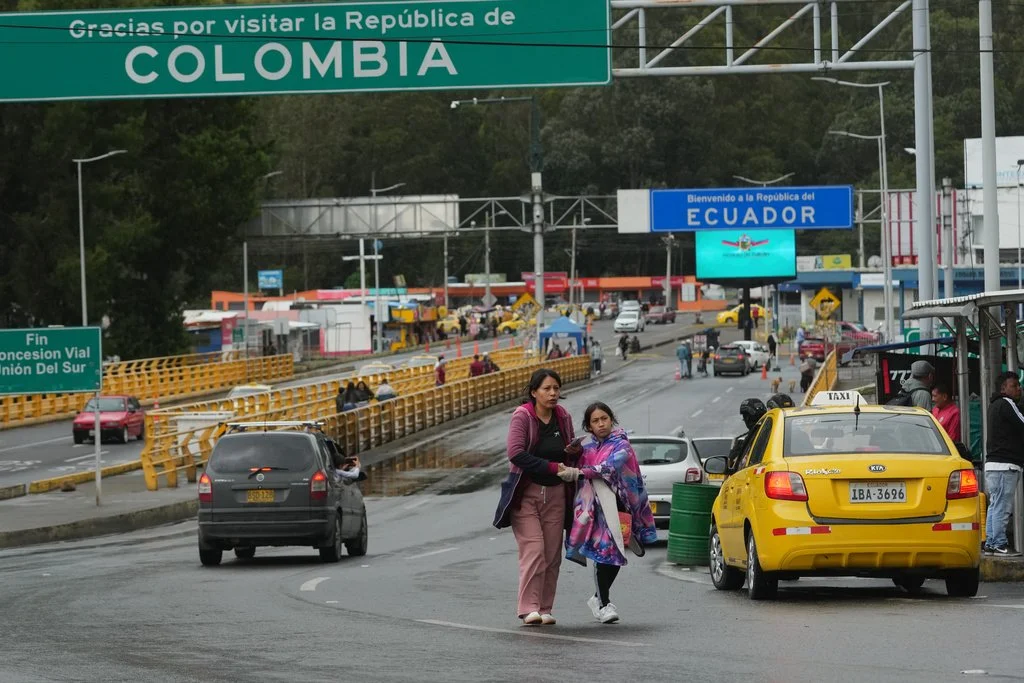
A bridge connects Ecuador and Colombia, in Tulcan, Ecuador, Thursday, Jan. 22, 2026. (AP Photo/Dolores Ochoa)
Colombia's government has circulated a draft decree that would raise import tariffs on a wide range of goods from Ecuador to 50 percent, escalating a dispute in which the two neighbors have used tariffs as retaliatory tools in a fast-moving economic standoff. The draft, released on Monday and opened for public comment before final signature, would match the tariff level Ecuador began applying to Colombian imports on March 1.
The proposed measure is not yet in force. In the draft text, Colombia says the decree would take effect the day after it is published, meaning the timeline now depends on whether, and how quickly, the government finalizes the measure after the consultation period.
Colombia's proposed regulation lays out the estimated effects of both parties maintaining the 50 percent tariffs. According to such, Colombia’s exports would decrease by 79 percent or roughly $1.452 million, and its imports of Ecuadorian goods would decrease by 75 percent or roughly $640 million.
Earlier this month, AP News reported that trade between the two countries was worth about $2.3 billion in 2025, citing Colombia's statistics agency, and that Colombia exported about $1.7 billion in goods to its neighbor, figures that help explain why business groups and local economies along the border have treated the tariff disputes as more than symbolic.
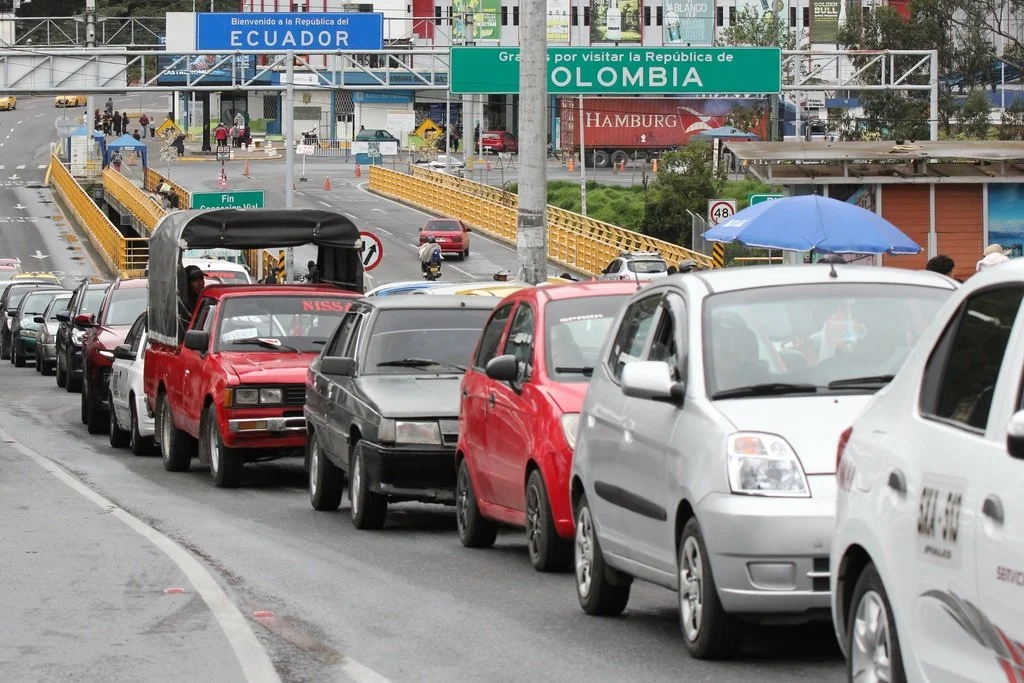
Vehicles cross from Ecuador to Colombia using the Rumichaca international bridge in Rumichaca, Colombia, Thursday, Jan. 22, 2026. (AP Photo/Leonardo Castro)
The latest proposed tariff hike would build on earlier reciprocal measures at 30 percent. AP reporting in late February described how business groups in both countries denounced the escalation, warning it could disrupt roughly $65 million in monthly trade and put at least 40,000 Ecuadorian jobs at risk.
In its legal justification, Colombia frames Ecuador's March 1 tariff move as a violation of the tariff-free commitments under the Cartagena Agreement that governs trade liberalization among Andean Community members. The drafts also reference core multilateral trade principles, including the most favored nation rule under GATT 1944, as part of their argument that Ecuador's tariff level is inconsistent with normal obligations. Ecuador has defended its tariff hikes as connected to border insecurity and drug trafficking, using the national language as part of its rationale. Reuters reported that Ecuador said it would raise tariffs from 30 to 50 percent amid growing tensions over border security and illicit trafficking, and that the dispute has been accompanied by other retaliatory measures beyond tariffs.
The proposed tariff measures’ next steps remain uncertain, and the dispute now sits at the intersection of domestic political messaging and regional trade rulemaking. The Andean Community institutional system is seeking to prevent unilateral “gravamenes” and restrictions from disrupting intraregional trade, but both governments have increasingly leaned on security justifications in defending their actions.
If both governments implement and maintain tariffs at the 50 percent level, the economic consequences could extend beyond headline trade figures. For border regions that depend heavily on cross-frontier commerce, including transport, services, agricultural producers, and small manufacturers, such reductions could translate into significant job losses, higher consumer prices, and disruptions to supply chains.
Beyond the immediate commercial impact, the dispute reflects a broader trend in which governments invoke security concerns to justify economic restrictions. Ecuador has framed its tariffs as a response to border insecurity and drug trafficking, while Colombia argues the measure violates regional trade commitments. As security rhetoric becomes increasingly embedded in trade policy, analysts warn it could normalize emergency-style economic measures within regional blocs designed to promote tariff-free integration. If that recent take holds, the long-term impact may not only be reduced bilateral commerce, but weakened institutional trust across the Andean Community.