
Strait of Hormuz Closure and the Resulting Effects on Japan’s Energy Supply
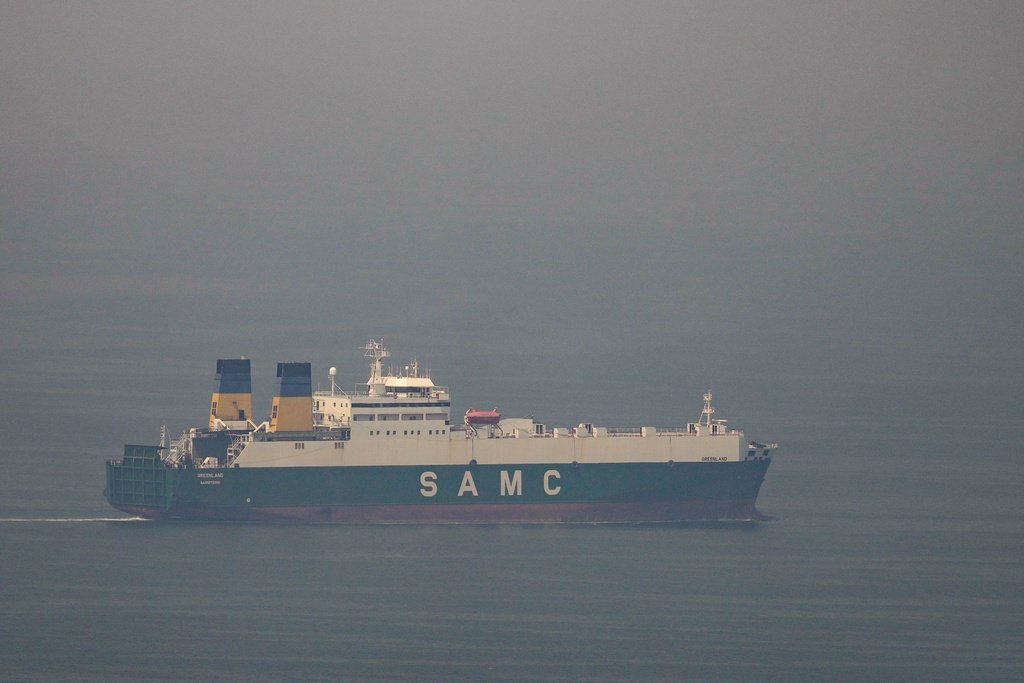
A cargo ship sails in the Arabian Gulf towards Strait of Hormuz in United Arab Emirates, Sunday, March 15, 2026. (AP Photo/Altaf Qadri)
Global oil imports have ground to a halt following the Strait of Hormuz’s closure earlier this month, causing a resurgence in the price of crude oil worldwide. Japan, whose economy is heavily reliant on such imports from the Middle East, is feeling the effects.
The Strait of Hormuz, joining the Persian Gulf and Gulf of Oman, bordered by Iran and the United Arab Emirates (UAE), has long been a vital passage for the transportation of oil worldwide. Roughly 13 million barrels per day passed through the strait in 2025, supplying about 20% of global petroleum liquids consumption. Shortly following the attacks of US/Israel on Iran, the closure of the Strait was confirmed by Iran on March 2, 2026.
According to data gathered from the Agency for Natural Resources and Energy, 95% of Japan’s oil imports come through the Middle East, with 40% coming from the UAE and Saudi Arabia, passing directly through the strait. With the closure, Japan could be facing increased inflation, and multiple companies have considered reducing their output in the face of the cutbacks. Yuji Saito, executive vice president of Japan Airlines Co., has said “If [the price surge] continues, it will impact fuel costs”.
Japan is currently awaiting the return for their most recent shipment, 45 vessels which have been stranded by the strait. The Foreign Minister of Japan, as of March 11, has declared that “[The Ministry of Foreign Affairs] will continue making utmost efforts in preparing for safe departure of all people who wish to depart from those countries.”
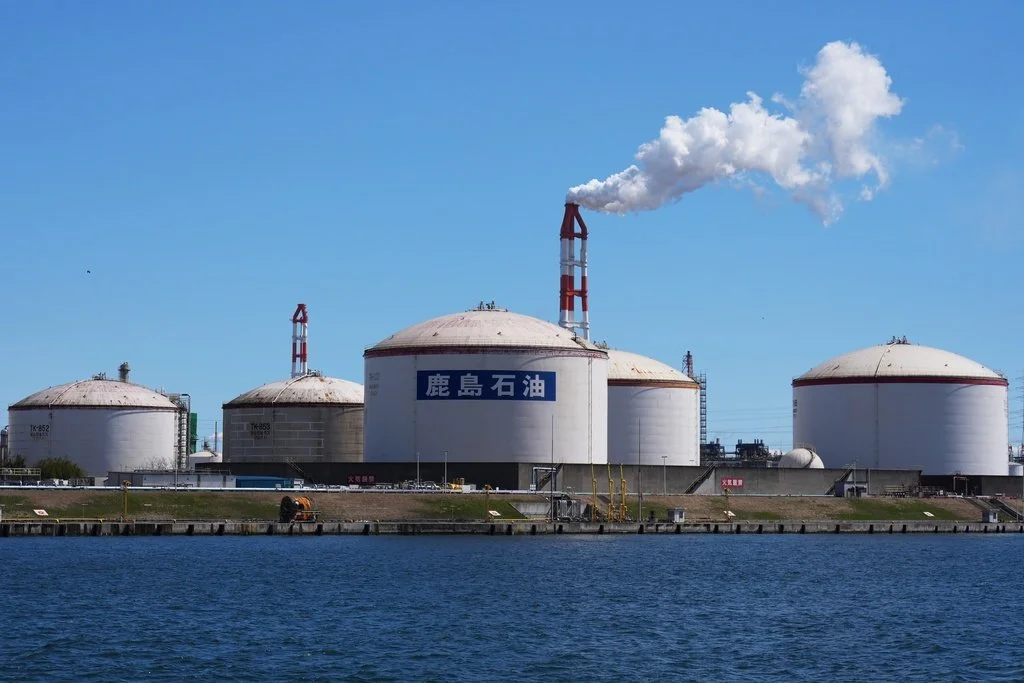
Part of Eneos group's Kashima oil refinery is seen in Kamisu, east of Tokyo, Sunday, March 15, 2026. (AP Photo/Hiro Komae)
The ships, once released from the coast, will take around 20 to 30 days to reach Japan, meaning that Japan’s incoming supply has not yet been cut off completely. This, combined with the 254 days of reserves that the Japanese government has stockpiled, means that Japan is not left without options. As of March 8, Tokyo has told the national oil reserve site to prepare for the release of reserves following the Strait of Hormuz’s closure.
However, should imports from the Middle East be shut down for the long term, Japan could be facing growing inflation as well as a drop in GDP, should crude oil prices reach the same peak as during the 2008 global financial crisis. However, as of March 3, “[t]he government has implemented measures to counter rising prices, such as subsidizing electricity and gas bills and abolishing the provisional gasoline tax surcharge.”
Currently, Iran has no plans to open the strait in the near future, and the roughly 45 oil tank vessels bound for Japan are still stranded in the Persian Gulf. Japan’s priority, per the Foreign Minister, remains with securing the safety and return of the vessels and the workers aboard. In the meantime, energy costs will continue to be heightened for the foreseeable future.