
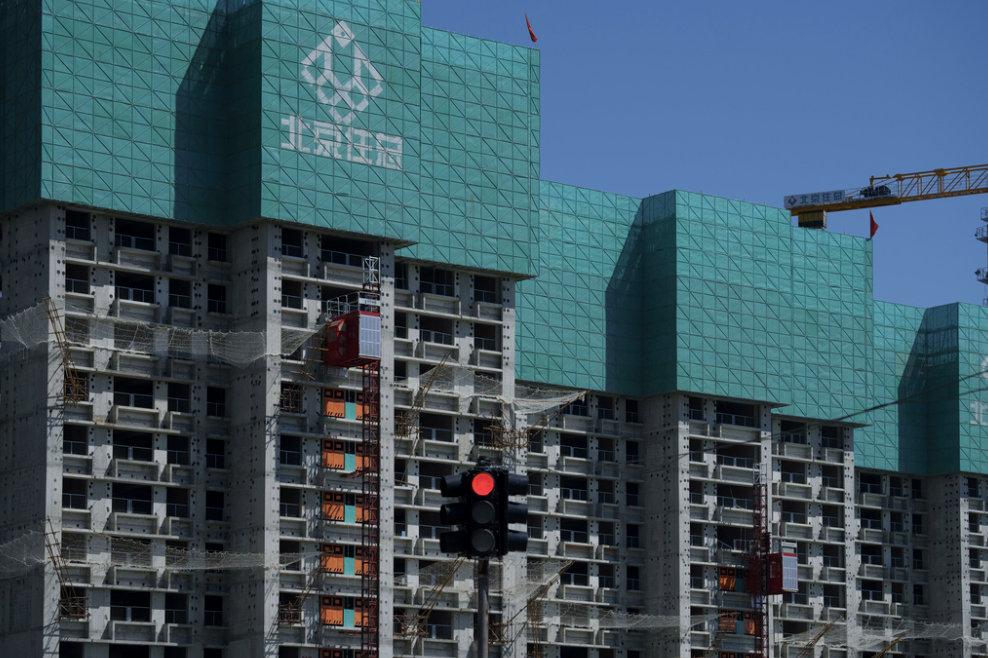
A housing project under construction is seen on the outskirts of Beijing, China, Wednesday, July 17, 2024. In a year of major elections setting the course of many countries for years to come, China's ruling Communist Party is holding top-level meetings in Beijing to chart technology- and security-focused development for reviving the economy The closed-door meetings come at a time of growing pressure to fix chronic problems dragging on growth, including a weak job market, massive local government debts and a prolonged slump in the property market. (AP Photo/Vincent Thian)
On Aug. 28, 2026, China issued new measures to reform its commercial housing sales system. Under the new rules, buildings offered for presale must reach the top of their main structural construction. The measures also strengthen supervision of presale funds and encourage the sale of completed homes. However, projects that obtained construction project planning permits before the new measures can continue to follow the previous presale conditions and fund-supervision policies. The changes tighten requirements for new housing projects rather than immediately replacing the existing traditional debt-fueled model.
China’s presale system has come under scrutiny following the property market downturn that began in 2021. Bloomberg Intelligence estimated in August 2024 that at least forty-eight million homes had been sold before construction was completed, based on presale data from 2015 through the first half of 2024. Because policies to protect buyers are insufficient, risks increase significantly when buyers enter the housing market. Many Chinese citizens have lost trust in the housing market after the increasing number of failing housing projects. The housing market plays a major role in China’s GDP. The decrease in property purchases, along with bad debt borrowed by property developers, are the major reason causing the downfall in China’s economy.
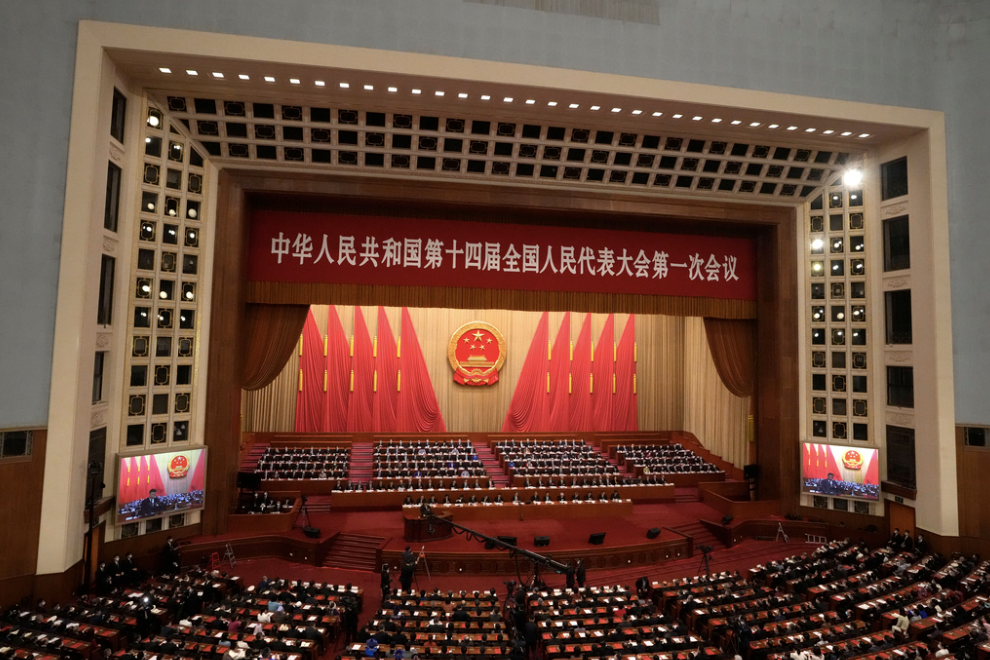
Delegates attend the closing ceremony for China's National People's Congress (NPC) as Chinese President Xi Jinping delivers a speech at the Great Hall of the People in Beijing, Monday, March 13, 2023. This year's National People's Congress annual meeting, which opens Tuesday, is being closely watched for any signals on what the ruling Communist Party might do to re-energize an economy that is sagging under the weight of expanded government controls and the bursting of a real-estate bubble. (AP Photo/Andy Wong, File)
After major negative effects were seen in China’s economy, the Chinese government issued new restrictions and policies aiming to strengthen oversight of presale funds, reduce risks of unfinished housing projects, and encourage the sale of completed homes. According to Xinhua, commercial housing units that obtain construction project planning permits and are offered for presale remain subject to the same policies and regulations regarding presale conditions and the supervision of presale funds. Local authorities received training and were instructed to strengthen the supervision of presale funds, ensuring that money is used properly and protecting homebuyers’ rights. At the same time, the Chinese government encourages the sale of complete homes so the buyer can see the unit before making a decision. The National Financial Regulatory Administration (NFRA) and the People’s Bank of China (PBOC) posted guidelines on extending development loan terms to meet funding needs, with maximum periods of five years for presale projects and seven years for completed new home sales and commercial property projects. The guideline posted by PBOC and NFRA also raised the maximum term for personal housing loans to forty years (article 20). These regulations and policies aim to improve the financial conditions of the housing market, increase demand, and ultimately restore homebuyers’ confidence and trust.
Stricter presale rules imposed by the PBOC and NFRA will shift the housing market away from the traditional debt-fueled model. The new regulations could encourage property developers to be more cautious when investing in new projects, potentially reducing the number of new projects. Over time, a reduction in new housing supply could help address oversupply in some areas. However, the effects on housing prices remain uncertain and will depend on market demand and implementation of the new policies. The shift away from presales could put additional financial pressure on some property developers, particularly smaller firms that depend heavily on presale revenue to finance construction and operation. Local governments could also face fiscal pressure if weaker property activity reduces land-sale revenue and related tax income. The extent of these effects remains uncertain. The Chinese government aims to restore homebuyers’ confidence through stricter presale oversight to encourage completed home sales and other mortgage support measures. Whether these policies will lead to a sustained recovery in housing demand remains uncertain.
Guotai’s Junan International’s Chief Economist Hao Zhou identified the next three months as a key window. If major cities including Shanghai, Shenzhen, and Guangzhou avoid decline through November 2026, this would be strong evidence that the housing market is beginning to recover. However, it cannot determine whether demand remain sustainable in the long term.
China’s new housing policies signal an effort to shift away from a traditional debt-fueled model that relies heavily on presales and rapid turnover. These measures aim to strengthen buyer protection and restore confidence, but they could also create additional financial challenges for developers and local governments. The long-term outcome will depend on how effectively these policies are implemented and whether homebuyer demand recovers. Balancing buyer protection will remain the main challenge for China’s property market.