
Soaring Oil Prices Hover at All-Time High. Prevailing dynamics for international markets
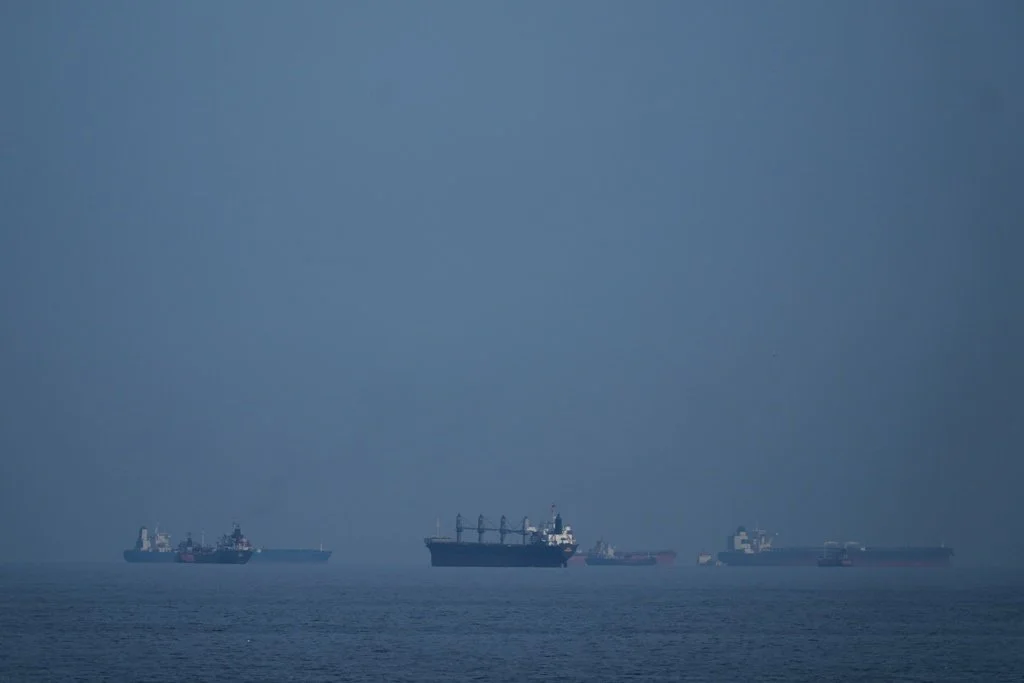
Oil tankers and cargo ships line up in the Strait of Hormuz as seen from Khor Fakkan, United Arab Emirates, Wednesday, March 11, 2026. (AP Photo/Altaf Qadri)
As of March 14, 2026, the futures of the oil prices had been brought down from an all-time high, hitting triple digits last week. Currently, they are trading at around $98 per barrel, which is the highest price since the Russian invasion back in 2022. This price hike was mainly due to Iran blocking the Strait of Hormuz, disrupting critical oil shipping. Global markets plunged due to investor concerns over slow economic growth and inflation. Economists warn that higher energy costs could fuel inflation and slow economic growth, which can cause stagflation, a moment in the economy at which inflation continues while slow job growth doesn't offset the increment in prices. Changes in oil prices affect industries around the world, mainly causing increases in global supply chains and manufacturing, which in turn make food, necessary supplies, and other goods expensive for the consumer around the world.
Rising oil prices can cause detrimental effects on unemployment, stock markets, and stagnating economic growth. What could the triple-digit futures prices of crude oil signify? A surge in global prices has a ripple effect through financial markets. This is a critical moment for the U.S. economy, which is already facing a rising rate of unemployment, reaching new heights in February, slashing more than 90,000 jobs. Faced with these issues, the US has temporarily eased the sanctions on Russia to allow the flow of Russian oil to make up for the shortage in supply. Oil markets are global and interconnected, hence this waiver, announced on March 5, 2026, continuing for roughly thirty days, is done in hopes of preventing a spike amid conflict. US Treasury Secretary Scott Bessent said the “short-term measure” was aimed at promoting “stability in global energy markets”. This does not undo the Executive Order 14066, signed on March 8, 2022, which prohibited the imports of Russian crude oil, petroleum fuels, liquefied natural gas (LNG), and coal.
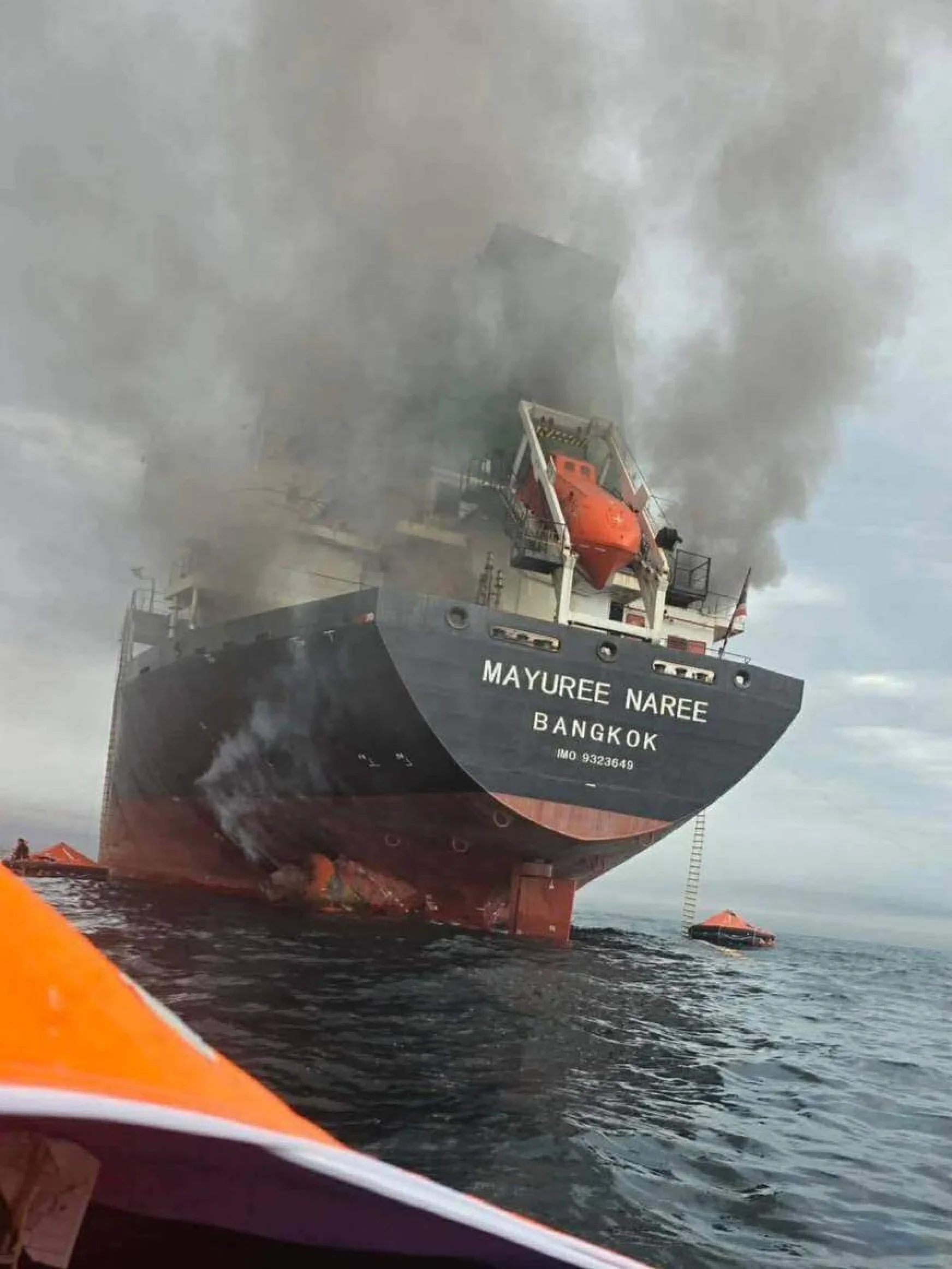
This image released by the Royal Thai Navy shows the Thai cargo ship, Mayuree Naree, struck and set ablaze in the Strait of Hormuz on Wednesday, March 11, 2026. (Royal Thai Navy via AP)
Further developments in Iran intensified the uncertainty in energy markets. Iran’s newly assigned Supreme Leader, Mojtaba Khamenei, vowed to keep the crucial Strait of Hormuz shut, one of the most critical oil shipping routes (approximately 20 to 21 million barrels of crude oil and byproducts cross the Strait of Hormuz daily). Any disruption in the narrow waterway could result in a substantial increase in oil prices and further destabilize global markets.
Amidst the current economic situation, wherein reports suggest the US economy may already be facing headwinds with the February 2026 jobs report showing weak job growth, the higher oil prices may also undermine the financial relief expected from the “One Big Beautiful Bill,” a policy designed to stimulate economic growth. If gasoline prices rise substantially, consumers may end up spending more of the tax savings at the “pump” rather than on consumption of goods and services. The shift thereby weakened the bill’s intended impact and slowed consumer-driven growth.
Financial markets have historically reacted sharply to oil price fluctuations. Investors closely watch energy prices because they can influence inflation expectations, interest rate policy, and overall economic growth. If energy prices remain elevated, central banks may also face additional pressure when setting monetary policy as they attempt to counterbalance inflationary pressure with economic stability. This can also be observed when President Trump asked Jerome Powell, Chair of the Federal Reserve, to "drop interest rates IMMEDIATELY," as he stated in a Truth Social post. Nevertheless, Federal Reserve officials are taking a cautious approach to policymaking and interest rate reductions. Most central bankers adopt a wait-and-see approach, observing the impact of the rate cuts and geopolitical factors.
Even though the US economy has changed over the past few decades and the country's reliance on foreign oil imports has diminished, long-term high oil prices can still be dangerous for international markets. Households, companies, and investors watch anxiously to see if rising oil prices will be a short-term disruption or a longer-term obstacle to economic growth because oil affects almost every sector of the economy.