
A deal intended to make fuel more affordable has reopened a larger debate about the cost of energy security. By easing restrictions on Russian diesel, the Trump administration is attempting to address a supply shortage while facing criticism over its implications for the war in Ukraine and long-term energy policy.
On October 9, Trump announced an agreement with Russian President Vladimir Putin for Russia to supply diesel to US and global markets. The announcement marked a shift in Washington’s approach to Russian energy exports following years of sanctions imposed after Russia’s invasion of Ukraine. To facilitate the agreement, the US Treasury Department temporarily suspended sanctions on Russian diesel deliveries.
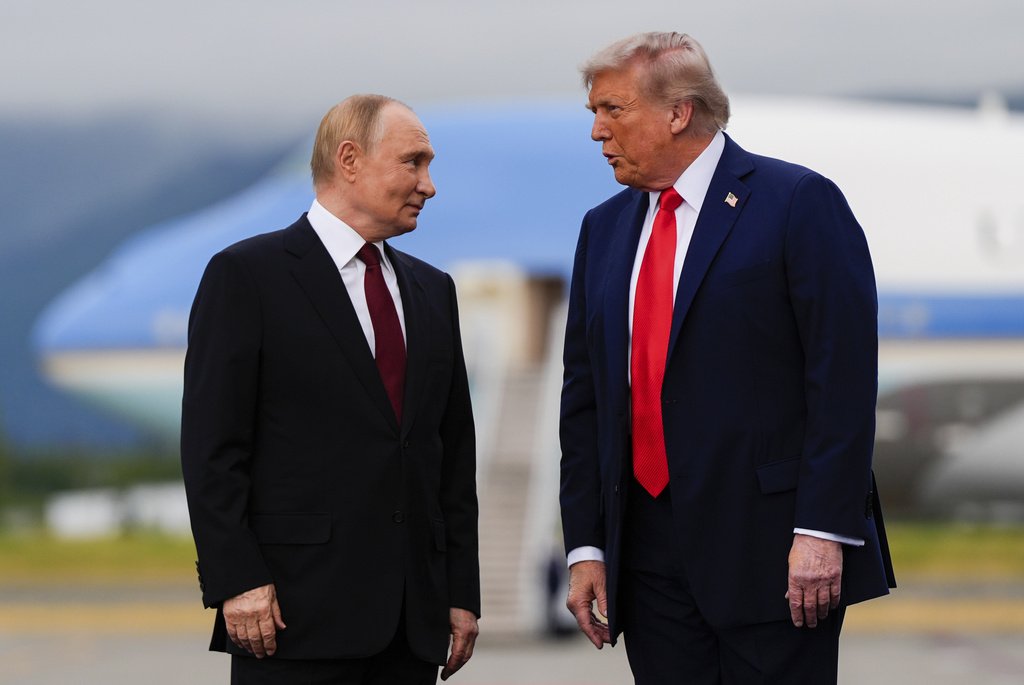
President Donald Trump and Russia's President Vladimir Putin talk, Friday, Aug. 15, 2025, at Joint Base Elmendorf-Richardson, Alaska. (AP Photo/Julia Demaree Nikhinson)
Trump said Russia would initially supply more than 300,000 metric tons of diesel, followed by additional shipments in November and subsequent months. The agreement comes as diesel prices have risen sharply, increasing costs for trucking, agriculture, and other industries that depend on the fuel. The administration argues that expanding supply could help ease these pressures, particularly as the Nov. 3 midterm elections approach.
Diesel is essential to freight transportation, farm machinery, construction, and shipping. When supplies tighten, higher fuel costs can spread through supply chains, raising the price of transporting goods and producing food. The current shortage has been linked to disruptions in global energy markets, including the effects of the war involving Iran and attacks on Russian oil refineries.
However, the agreement's potential economic benefits remain uncertain. Reuters reported that analysts believe the promised shipments are too small to significantly reduce global diesel prices. Russia's limited refining capacity, damaged infrastructure, and high shipping costs could also constrain deliveries. The deal may therefore provide less relief to consumers than the administration expects.
The environmental implications further complicate matters. Diesel is a petroleum-based fuel, and burning it releases carbon dioxide, which contributes to global warming. The US Energy Information Administration identifies diesel consumption as a significant source of transportation-related carbon dioxide emissions.Diesel exhaust also contains particulate matter and nitrogen oxides, which leads to air pollution and pose a risk to human health.
The agreement does not automatically increase emissions, since the fuel could replace diesel that would otherwise come from another supplier. However, policies that prioritize continued fossil fuel use over investment in cleaner alternatives raise questions about how governments will balance immediate energy needs with emissions-reduction goals. The deal highlights the difficulties of managing a fuel shortage while pursuing a longer-term transition to cleaner energy.

A driver tops off his with diesel fuel at a filling station in Philadelphia, Friday, Oct. 23, 2026. (AP Photo/Matt Rourke)
The political consequences have been equally significant. Critics argue that easing restrictions on Russian energy exports could provide Moscow with additional revenue during the ongoing war against Ukraine. Ukrainian President Volodymyr Zelenskyy and several US lawmakers have criticized the agreement, warning that it could weaken economic pressure on Russia.
On October 16, Rep. Gregory Meeks, the ranking Democrat on the House Foreign Affairs Committee, introduced legislation seeking to block the deal and restrict future sanctions exemptions for Russian energy. The proposal reflects Congress’ growing opposition to the administration's approach.
Administration officials have defended the agreement as a potential diplomatic tool. Energy Secretary Chris Wright argued that increased Russian energy exports could depend on Moscow reducing its military activity, framing the deal as an incentive to pursue peace. Other officials have offered different explanations, illustrating the debate within the administration over its strategic purpose.
The deal also has international implications. Turkey's energy minister, Alparslan Bayraktar, said on October 18 that Turkey would receive some of the Russian diesel entering global markets, describing the supply as important to the country's energy security. His statements demonstrate the far-reaching impact of decisions between Washington and Moscow, highlighting increased fuel availability for certain nations. The Russian diesel deal ultimately highlights the challenge of balancing energy security, geopolitical interests and environmental goals.