
Op-ed: The Court’s Fight Back: A Check on an Abuse of Power
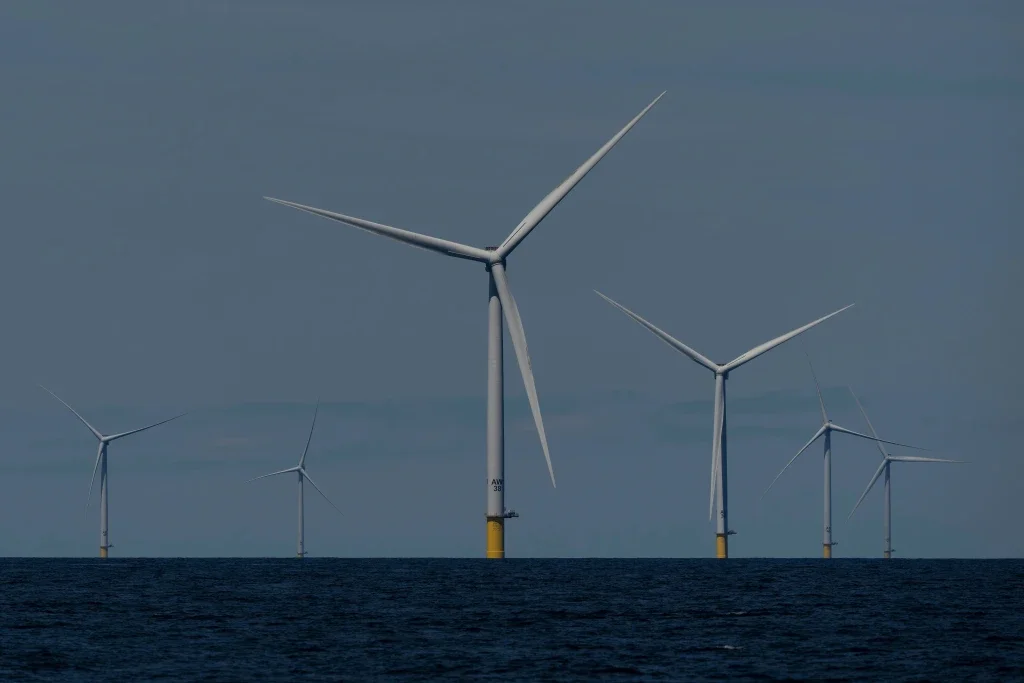
Wind turbines operate at Vineyard Wind 1 offshore wind farm off the coast of Massachusetts, July 19, 2025. (AP Photo/Carolyn Kaster, File)
On April 21, 2026, a federal judge blocked the Trump Administration from enforcing a series of restrictions that have thwarted numerous renewable energy projects. A group of nine regional energy companies filed a lawsuit in December of 2025 against the Department of the Interior (DOI), the Bureau of Land Management, the Bureau of Ocean Energy Management, the Army Corps of Engineers, and the US Fish and Wildlife Service (USFWS). This group—consisting of Alliance for Clean Energy New York, RENEW Northeast, Southern Renewable Energy North, Green Energy Consumers Alliance (GECA), Renewable Northwest, Mid-Atlantic Renewable Energy Coalition Action (MAREC), Clean Grid Alliance, Carolinas Clean Energy Business Association, and Interwest Energy Alliance—challenged six of the Trump Administration's actions that unlawfully punish wind and solar energy. These actions include a heightened review process from Interior Secretary Doug Burgum’s office for DOI approvals of wind and solar projects on federal lands, blocking projects from using the Information for Planning and Consulting (IPaC) database that allows for the identification of potential impacts on endangered species and other environmental needs, and the Army Corps of Engineers “capacity density” rule that stalled the review of permits for renewable energy projects.
Former Interior Department officials have spoken out, saying it is unfeasible for the secretary to approve the multitude of small decisions needed for project approvals. This implementation by the administration can create extensive delays. Massachusetts federal judge Denise J. Casper issued a preliminary injunction to stop the implementation of these policies. A preliminary junction is a temporary court order, issued before the final trial of a lawsuit, that halts certain actions to prevent immediate harm. She ruled that the administration's actions violated federal statute and would cause irreparable damage without the court's intervention. Environmental groups, such as the Environmental Defense Fund and the Natural Resources Defense Council, filed amicus briefs in the case to support the clean energy groups.
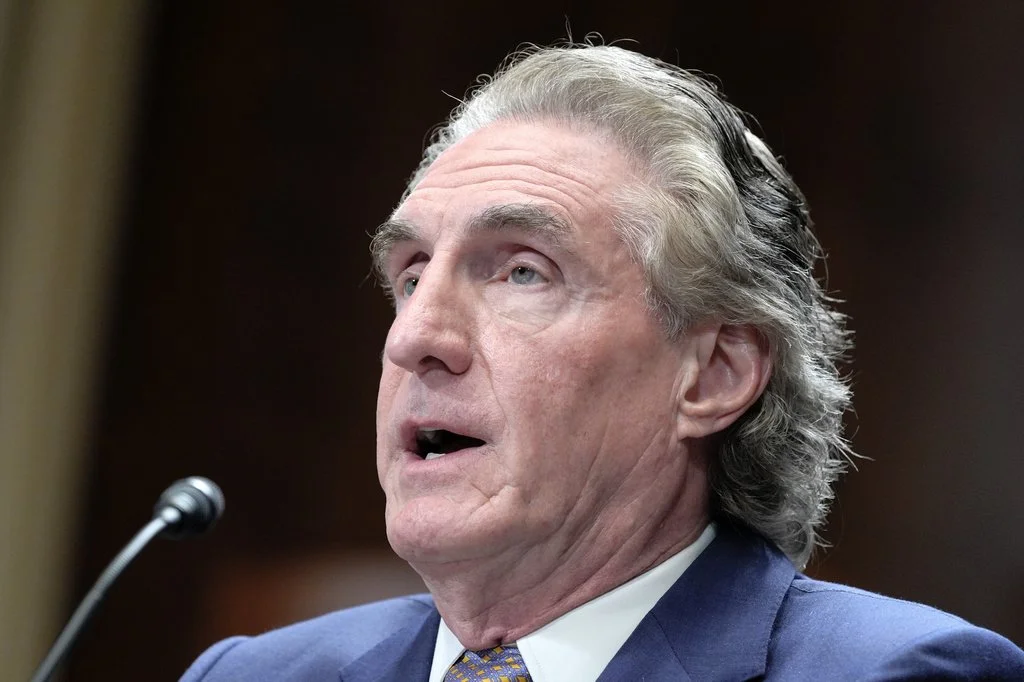
Interior Secretary Doug Burgum testifies during a Senate Committee on Energy and Natural Resources hearing to examine the President's proposed budget request for fiscal year 2027 for the Department of the Interior on Capitol Hill, Wednesday, April 29, 2026, in Washington. (AP Photo/Mariam Zuhaib)
Renewable energy is power derived from natural sources—such as sunlight, wind, and water—and acts as a cheaper and healthier alternative to fossil fuels. Most greenhouse gases that contribute to climate change, by trapping heat in the Earth’s atmosphere, are emitted from burning fossil fuels to produce energy. Science has shown that, to avoid worsening climate change’s impacts, greenhouse gas emissions have to be reduced by 2030 by nearly half of their current amount. To achieve this, we must invest in alternative energy sources, such as wind energy, to promote a clean, sustainable, and affordable environment.
Trump has infamously been largely opposed to the use of wind energy, stating that wind turbines are an expensive threat to the lives of birds and other wildlife. In 2015, Trump lost a yearslong battle to stop an offshore wind farm near Aberdeen, Scotland, because he thought the 11 turbines would spoil the view from his golf course on the Aberdeenshire coast. However, despite these previous failures, Trump continues to try and shut down renewable energy efforts. The Trump administration's attempts at restricting renewable energy projects cause a major setback for future sustainability. By halting these projects, Trump is increasing reliance on fossil fuels, steering the country away from cleaner energy sources.
Not only this, but Trump’s efforts in halting these projects have threatened a massive number of jobs, and are associated with rising electricity bills. Trump argues that boosting production of fossil fuels—such as oil, natural gas, and coal—would give the US the lowest-cost energy and electricity compared to other countries, however research has shown the opposite is true. Sources of energy production, such as coal, are increasingly expensive, which can cause electricity rates to surge due to the higher production costs. Renewable energy efforts have been helping to lower electricity prices, as they provide a cheaper alternative to the generation of power. In addition, thwarting renewable energy projects has led to a significant decrease in job opportunities. By delaying, or canceling projects, numerous workers, including construction crews and electricians, have been laid off. Jobs provided by clean energy productions outnumber those of fossil fuels, employing almost 35 million people worldwide.
Renewable energy developers are arguing that Trump’s restrictions on wind and solar power are in violation of the Administrative Procedures Act. This act governs federal agencies “rule-making” decisions, setting the procedures they must follow when developing and issuing regulations. The court ruled that the policies enacted by Trump’s administration lack sufficient justification and therefore neglect the safeguards put in place by the APA. Kit Kennedy, the managing director for power at the Natural Resources Defense Council, made a comment in which he says the courts keep striking down the Trump administration’s different attempts to block necessary clean energy projects. He states, “the administration should take the hint…”
Halting renewable energy efforts is an abuse of power by the Trump administration. It showcases a lack of care for the betterment of the environment and economy, to pursue personal desires. This court ruling does not even address all of the Trump administration's attempts to restrict the use of renewable energy, highlighting a few of the many that are plaguing the clean energy sector. Renewable energy is a more sustainable means of providing energy, creating a more affordable standard of living, and a more reliable source of power. It reduces dependence on fuel imports and controls for potential disruptions to the supply of fossil fuels. By increasing our reliance on fossil fuels for energy and reducing the number of renewable energy sources, the Trump administration is only damaging our environment. The consequences of emissions from fossil fuels are the sole contributor to the climate crisis, and reducing clean energy efforts only worsens the effects.