
US Withdrawal from 66 International Organizations Results in a Rise of Refugee Mental Health Crises
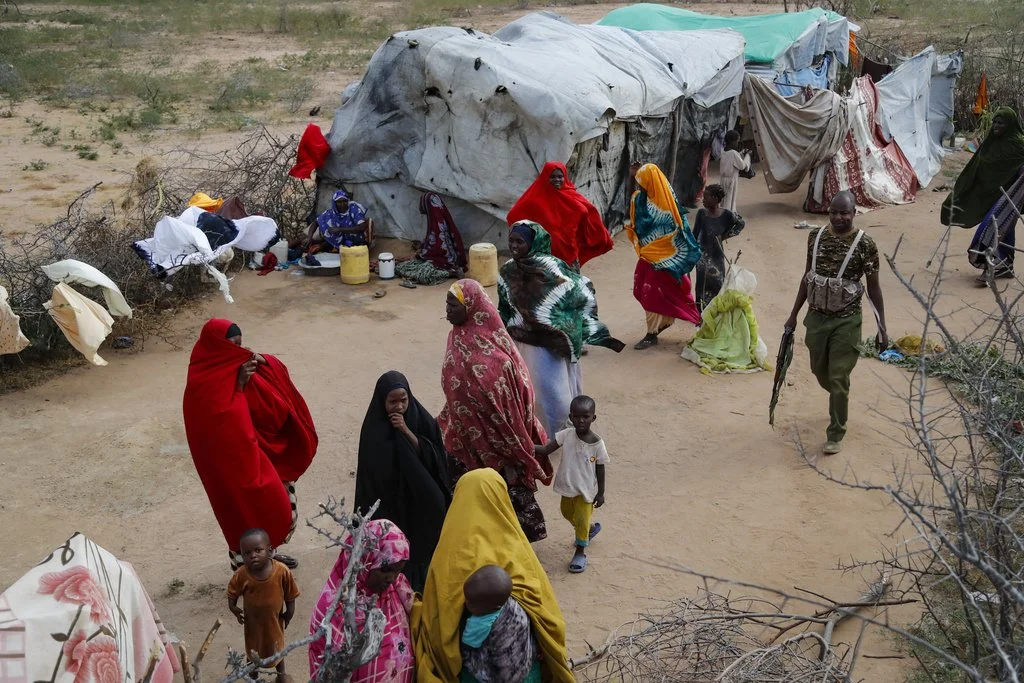
Somali refugees and an armed Kenyan policeman walk next to a makeshift shelter in Dadaab refugee camp in northern Kenya, Thursday, July 13, 2023. One of the world's largest refugee camps offers a stark example of the global food security crisis with thousands of people fleeing Somalia in recent months to escape drought and extremism but finding little to eat when they arrive at the Dadaab camp in neighboring Kenya. (AP Photo/Brian Inganga)
On January 7, 2026, President Trump signed a Presidential Memorandum directing the withdrawal of the United States from 66 international organizations he claims “no longer serve” and are “contrary to” the interests of the US and American citizens. 31 of these organizations were United Nations entities, while the remaining 35 were non-UN groups.
Trump’s decision to withdraw from these organizations arose from the pursuit of his long-term goal aimed at restoring and maintaining American sovereignty, which he has consistently vocalized since 2016 in his “America First” campaigns. Within the first year of his presidency, Trump has sought to cut US funding to the UN, ceased engagements with the UN Human Rights Council, and formally quit UNESCO and the Paris Climate Treaty, with future plans to leave the World Health Organization. President Trump's withdrawal from these organizations will have more consequences than the obvious, as mental health crises have begun to spike among displaced peoples.
Of the 66 cut organizations, the majority promoted climate change policies, gender equality and women’s rights, and humanitarian aid and relief, which, according to right-wing parties, are believed to conflict with US sovereignty and economic strength. For years, these organizations have been scrutinized by American taxpayers, with some believing that their tax dollars are being “wasted” on contributions to external organizations that are misaligned with national goals and yield little compensatory return.
As a result, many UN agencies, non-governmental organizations, and other international entities that have relied on this funding are facing severe financial distress and operational decline. Specifically, the United Nations High Commissioner for Refugees (UNHCR), which protects refugees and displaced people, provides emergency humanitarian aid, and seeks long-term settlement solutions, has been faced with the unique challenge of mental health crises emerging among their refugees in camps around the world.
The ramifications of the US administration’s budget cuts are already being felt across the world. Aden Mafow, a 38-year-old Aden Mohamed Hafow, a father of four and respected school teacher, hung himself in Kenya’s Dadaab refugee complex. Originally from Somalia, Hafow arrived in Dadaab in the early 1990s, waiting in the US resettlement queue for over 15 years. However, his dream of resettlement was crushed when Trump barred the entry of Somali refugees this year. As a result of Trump’s budget cuts, his contract with the Lutheran World Federation, a religious international aid organization that employs many of Dadaab’s refugee teachers, was terminated. With extinguished hopes for a fresh start and more recent deprivation of a steady income, Hafow decided to take his own life. This decision represents a devastating sentiment of defeat and a consequential rise in mental health crises amongst marginalized communities whose welfare relied on US funding for humanitarian aid.
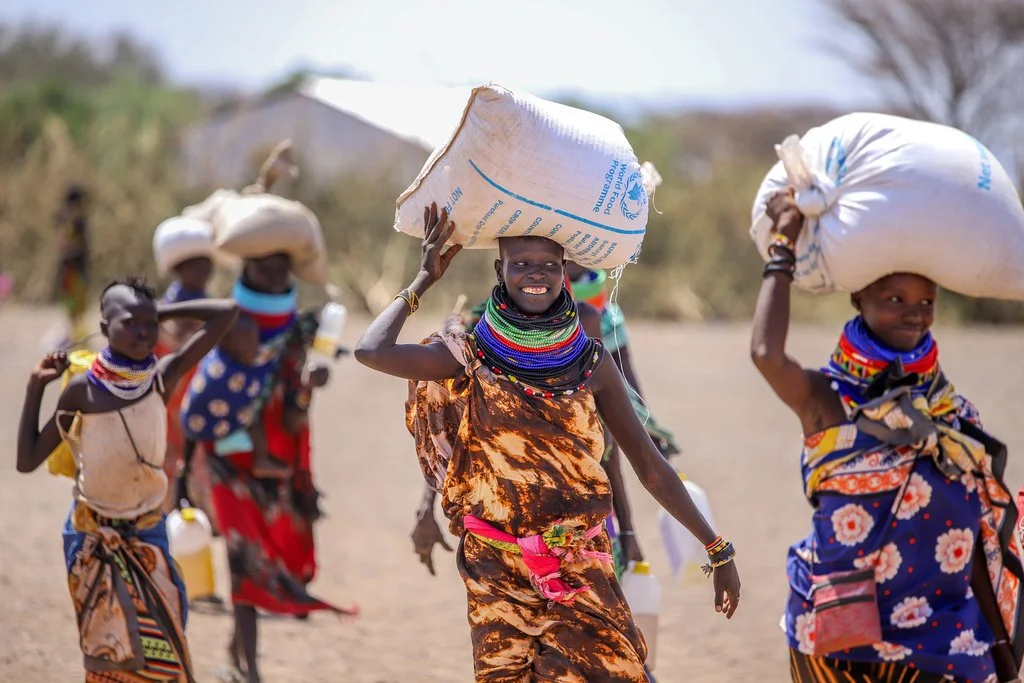
Women walk home after receiving food aid from the World Food Programme (WFP) and World Vision Kenya in Nadunga Village, Turkana County, Kenya, Friday, Feb. 6, 2026. (AP Photo/Patrick Ngugi)
Haiibo Nuur Khalif, chair of the largest camp in Dadaab, Hagadera, informed The New Humanitarian that “this situation has caused extreme hunger, which has pushed many individuals toward suicide,” adding that “it has also contributed to the divorce and the breakdown of many families.” While counseling services were once provided for camp members at Dadaab, they too have been affected and consequently diminished by aid cuts – forcing community members to take matters into their own hands by organizing peer counseling and other informal support networks.
Trump’s formal exit from UN-based humanitarian aid organizations has undermined the relief programs and flow of resources necessary to sustain the welfare of international communities in need. Currently, the Trump administration has not made any address towards the observed impact of its decision to withdraw from these organizations. Instead, it has announced plans to continue withdrawals from UN bodies, international treaties, and even absorption of domestic organizations such as the US Agency for International Development.