
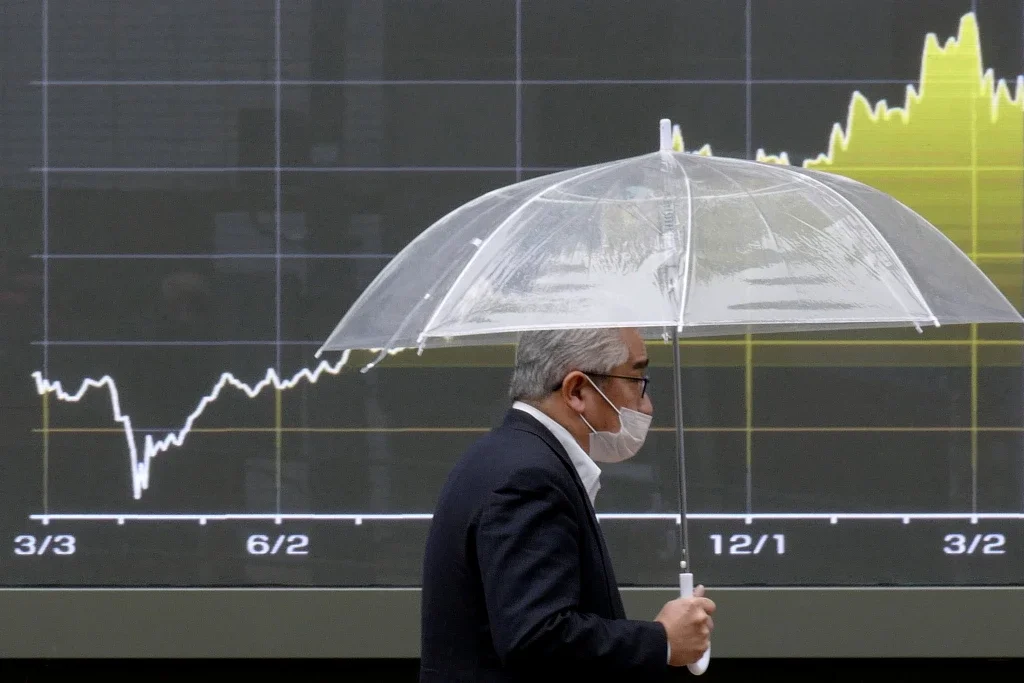
A person walks in front of an electronic stock board showing Japan’s Nikkei index chart at a securities firm Monday, March 23, 2026, in Tokyo. (AP Photo/Eugene Hoshiko)
In April 2026, the global situation was significantly reshaped by escalating conflict in the Middle East. What began as military strikes has quickly expanded into a broader geopolitical crisis, with consequences extending far beyond the region. Among the most immediate effects has been growing instability in global energy markets, as concerns over supply disruptions continue to push oil prices upward.
The oil prices are expected to remain elevated rather than returning to pre-conflict levels. In more severe cases, prolonged disruptions in key transit routes such as the Strait of Hormuz could drive prices even higher. These developments are particularly concerning for countries in East Asia, where economies remain heavily dependent on imported energy. South Korea, for instance, relies on the Middle East for a significant majority of its energy resources, making it especially vulnerable to external shocks.
As energy prices rise, the economic impact becomes increasingly visible. Higher oil prices translate into rising transportation and production costs, which in turn drive up the prices of everyday goods. This creates a ripple effect throughout the economy, putting pressure on households and businesses alike. Economists warn that such conditions could intensify broader macroeconomic instability, contributing to a cycle of high inflation, currency volatility, and slowing growth. In this context, even minor disruptions in supply chains can have disproportionate consequences for domestic economic stability.
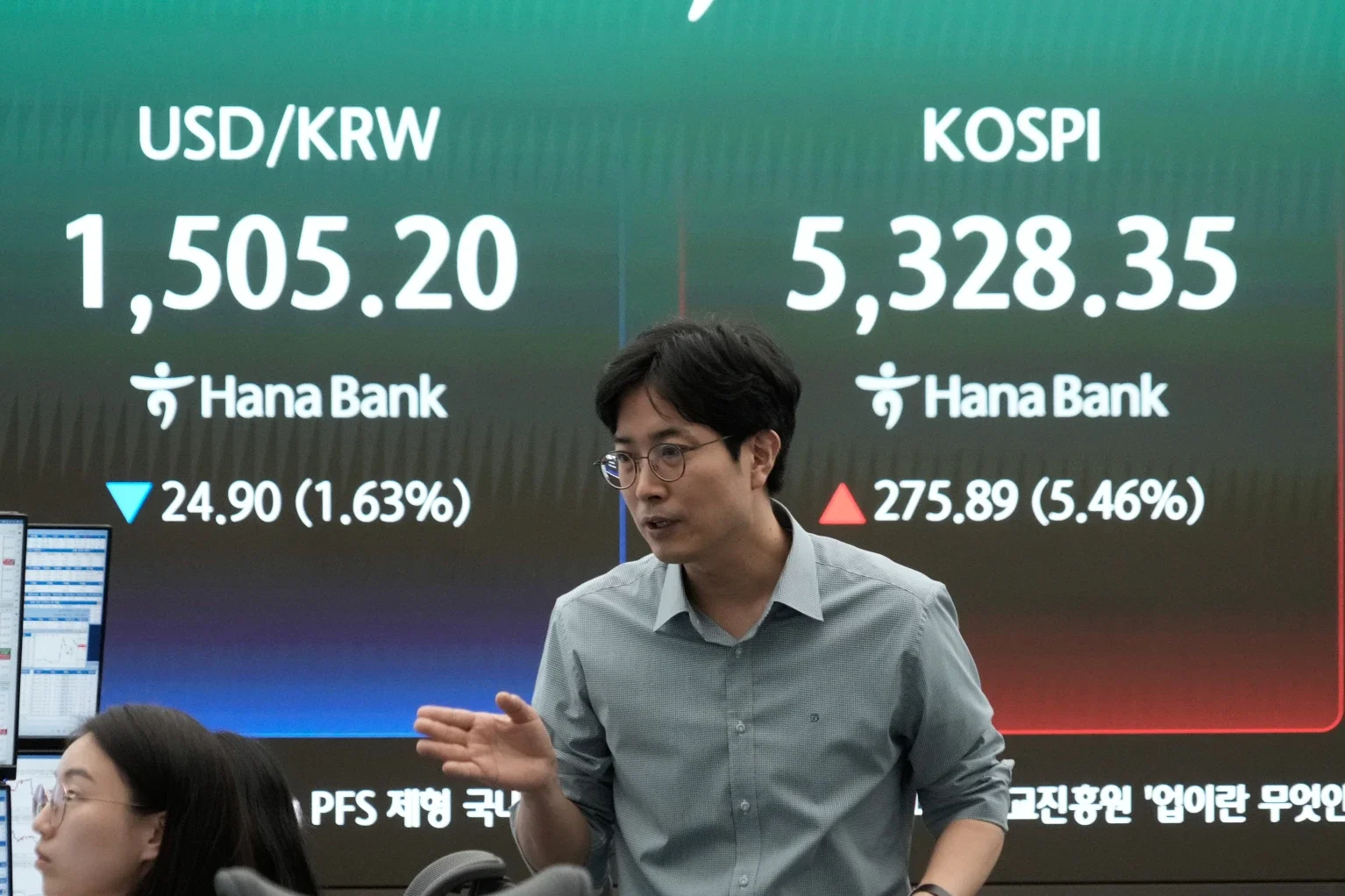
A currency trader reacts near a screen showing the Korea Composite Stock Price Index (KOSPI), right, and the foreign exchange rate between U.S. dollar and South Korean won at the foreign exchange dealing room of the Hana Bank headquarters in Seoul, South Korea, Wednesday, April 1, 2026. (AP Photo/Ahn Young-joon)
Moreover, Japan, which depends heavily on Middle Eastern oil imports, is also facing significant challenges. Disruptions in fuel supply have already begun to affect industries and daily life, from reduced transportation services to operational difficulties in energy-intensive facilities. Rising energy costs are weighing on financial markets, contributing to declining stock prices and currency depreciation. These developments highlight how energy dependence can quickly translate into broader economic vulnerability.
Beyond economic concerns, the crisis also carries strategic implications. As the crisis is prompting coordinated responses from major powers, questions have emerged about potential gaps in regional security elsewhere, including the Korean Peninsula. This shift raises concerns about the stability of existing defense arrangements and the possibility of increased tensions. Taken as a whole, the current situation underscores how interconnected global conflicts, energy markets, and regional security dynamics have become, with far-reaching consequences for East Asia.