
South Korea Recalls Ambassador to Ukraine Over Disclosure of North Korean POW Transfer
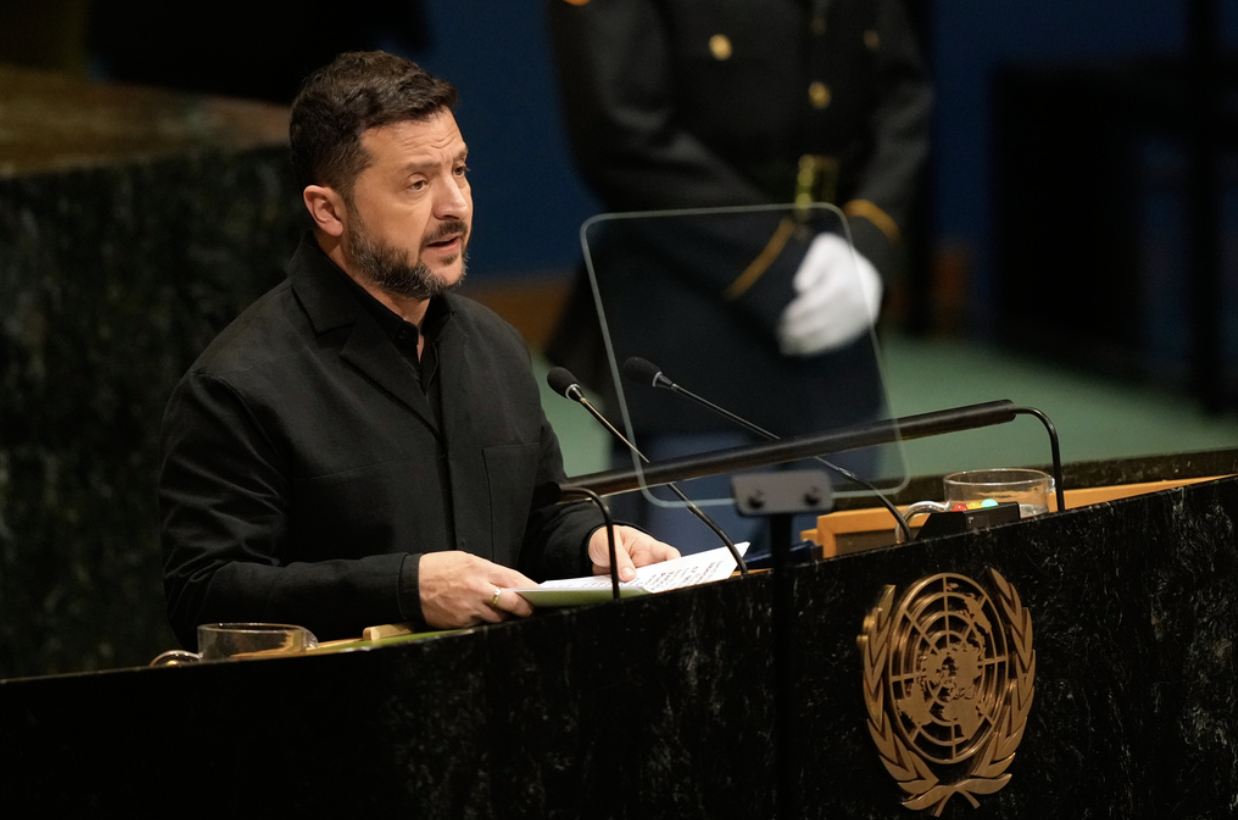
Ukraine's President Volodymyr Zelenskyy speaks during the 81st session of the United Nations General Assembly at United Nations headquarters, on Sept. 23, 2026. (AP Photo/Seth Wenig)
On Sept. 23, Ukrainian President Volodymyr Zelenskyy disclosed in a speech at the UN General Assembly that Kyiv had transferred two captured North Korean prisoners of war to Seoul. Using the soldiers as evidence, Zelenskyy said North Korea’s leader had “sent his troops to Russia to support the weak points of the Russian army,” as concerns grow over the war drawing in other countries. He also noted that the soldiers were “not easy to capture,” as one soldier attempted to kill himself while in captivity.
Following this, South Korea has accused Ukraine of violating an understanding to keep the transfer secret, saying the disclosure endangered the soldiers’ relatives still in North Korea. Seoul demanded an explanation and an apology, and summoned Ukraine’s acting ambassador to lodge a protest. Kyiv, however, denies that any such agreement existed. Conflict between the two nations continued to rise, and South Korea eventually recalled its ambassador to Ukraine in response.
Seoul’s main concern is the safety of the two soldiers and their relatives still in North Korea, who, it says, could be endangered if the transfer becomes public. According to previous interviews with prisoners of war from North Korea, for them, being captured is seen as “betrayal,” and may lead to them and their families facing heavy prosecution from the North Korean government. Foreign Minister Cho Hyun has also said South Korea holds documents or meeting records showing the two sides agreed to keep the matter confidential, and that Ukraine itself first asked for secrecy, leading to South Korea feeling aggrieved by the disclosure.
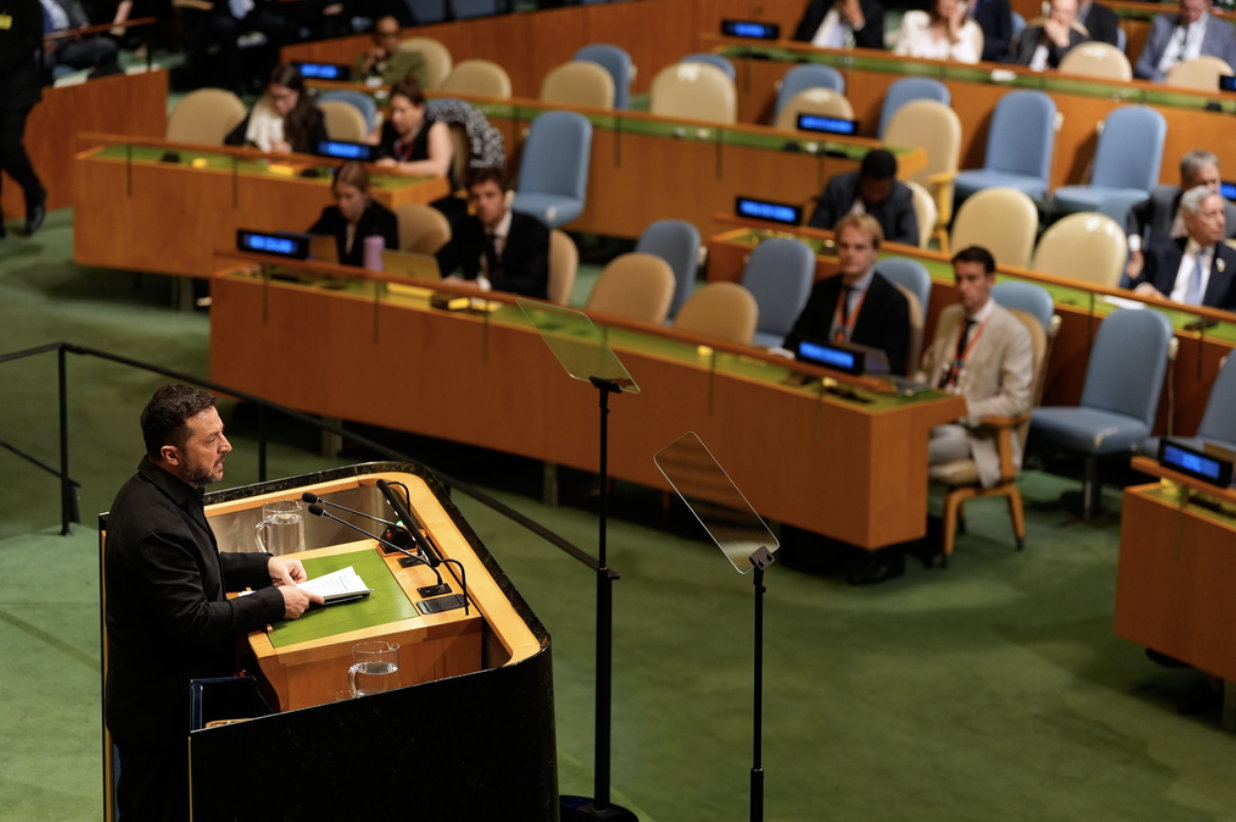
Ukraine's President Volodymyr Zelenskyy speaks during the 81st session of the United Nations General Assembly at United Nations headquarters, Wednesday, Sept. 23, 2026. (AP Photo/Seth Wenig)
However, analysts also point to the political stakes behind the disclosure, which sparked alarm. Dr. Ryu Yongwook of the National University of Singapore’s East Asian Institute told CNA that the transfer could complicate President Lee Jae Myung’s efforts to improve relations with Pyongyang. Park Won-gon, a professor at Ewha Womans University, said the government fears the publicity could feed North Korean propaganda and deepen hostility toward the South.
The timing further complicates the issue. Recently, President Lee has been advocating a phased approach to North Korea’s nuclear program, proposing a three-step plan at the UN in September to halt, reduce, then dismantle the arsenal. But Pyongyang has shown little interest, with North Korea’s foreign minister rejecting international calls for denuclearization while describing the country as a responsible nuclear-armed state. Analysts warn that news of two of its captured soldiers now living in South Korea could deepen hostility toward South Korea, causing their plan to fall apart.
The row leaves both sides with something to lose. Ukraine, which has sought more military help from South Korea as North Korea deepens its support for Russia, now finds those hopes complicated by the dispute. Seoul’s foreign ministry says the row will not be linked to its humanitarian aid or reconstruction cooperation, and that it hopes to resolve the issues amicably through continued consultations. Ukraine’s foreign minister, Andrii Sybiha, has called it a “diplomatic misunderstanding.”