
Weeks-Long Fuel Blockade in Mali Continues to Worsen
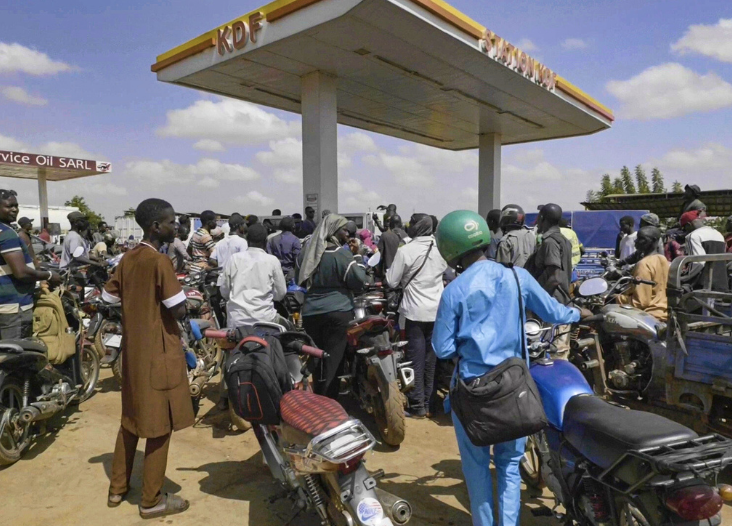
People with motorcycles waiting at a fuel station in Bamako, Mali, on Oct. 7, 2025. Photo: AP News
Mali has descended into a deepening crisis after militants from the al-Qaeda-linked Jama’at Nusrat al-Islam wal-Muslimin (JNIM) began blocking fuel imports in Sept. 2025. The blockade has choked off vital supplies to the landlocked nation of 25 million and underscored JNIM’s expanding influence across the country.
Mali is currently considered the sixth least developed country in the world, where around half of the population lives below the poverty line. In Bamako, Mali’s capital, some residents have waited for days outside of gas stations for the scarce fuel. There have been prolonged power outages across the country due to the shortage, some lasting a few hours, and others lasting multiple weeks.
Since the blockade began, JNIM militants have destroyed over 100 trucks and kidnapped drivers who had attempted to transport fuel into Bamako. Hospitals have been thrown into crisis as the generators needed to provide emergency services go without power. Mali’s military government, which grabbed power in a 2020 coup, also announced a 2-week nationwide closure of schools and universities due to the fuel shortage on Oct. 27. Some classes resumed on Nov. 10, yet the education system is still in shambles due to a lack of electricity and disruptions in transportation. Additionally, the cost of fuel has also skyrocketed by about 500 percent, going from around $25 per liter to $130 per liter.
The fuel blockade was a JNIM attempt to undermine the power of Mali’s military junta by weakening the government’s authority and causing fear among the people. As the government tries to escort fuel trucks into Bamako, their deliveries have been attacked by JNIM.
Additionally, the conflict in Mali reflects broader instability across the entire Sahel region of Africa. In Sept. 2023, Mali, Burkina Faso, and Niger signed the Alliance of Sahel States, which was a mutual defense pact binding the three nations to come to one another’s defense in response to external aggression or rebellion. The three nations were previously members of a 2017 French-supported G5 Sahel Alliance joint force with Chad and Mauritania to defend against al-Qaeda and ISIS-backed groups. Since then, Mali, Burkina Faso, and Niger have withdrawn from the alliance, and French troops, which have a disturbing and violent history of colonization in Africa, have withdrawn from the Sahel region.
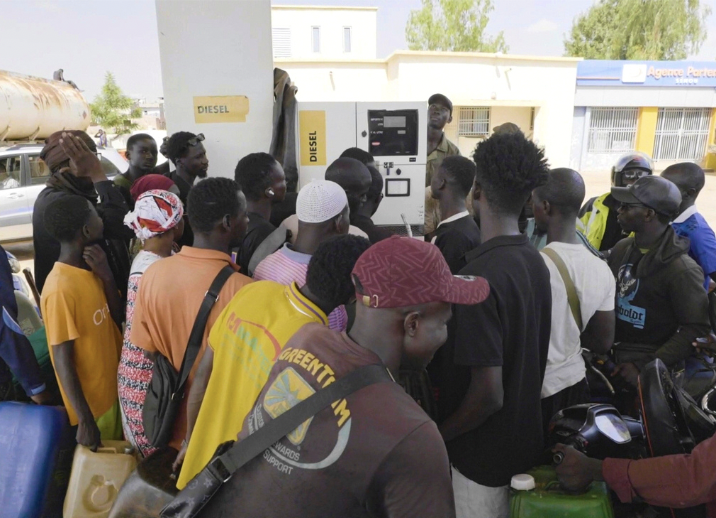
People waiting at a fuel station in Bamako, Mali, on Oct. 7, 2025. Photo: AP News
On Oct. 28, 2025, the US Embassy told all US citizens to immediately leave Mali. Other countries, such as Italy, Japan, and Australia, gave their citizens similar warnings.
The fuel shortage has furthered Mali’s reliance on Russia. After the Russian paramilitary force, Wagner Group, announced the end of its four-year mission and withdrew in June 2025, the Kremlin-controlled Africa Corps moved in to fill the void. Some estimates show that nearly 70 percent to 80 percent of the Africa Corps members were Wagner Group veterans. Additionally, Malian state media announced the military government was negotiating with Moscow for fuel imports and assistance with securing transport routes.
As Mali’s fuel shortage continues, the threat of longer violence and instability continues to grow, as citizens will lose access to necessary resources such as emergency medical services and transportation. Meanwhile, Russia’s presence in Africa is likely to expand, as African governments become more reliant on Russian military and mercenary groups to fight off Islamist extremist groups.