
Super Micro Computer Shares Plunge 33% Following DOJ Indictment Over $2.5B Illegal AI Server Shipments to China
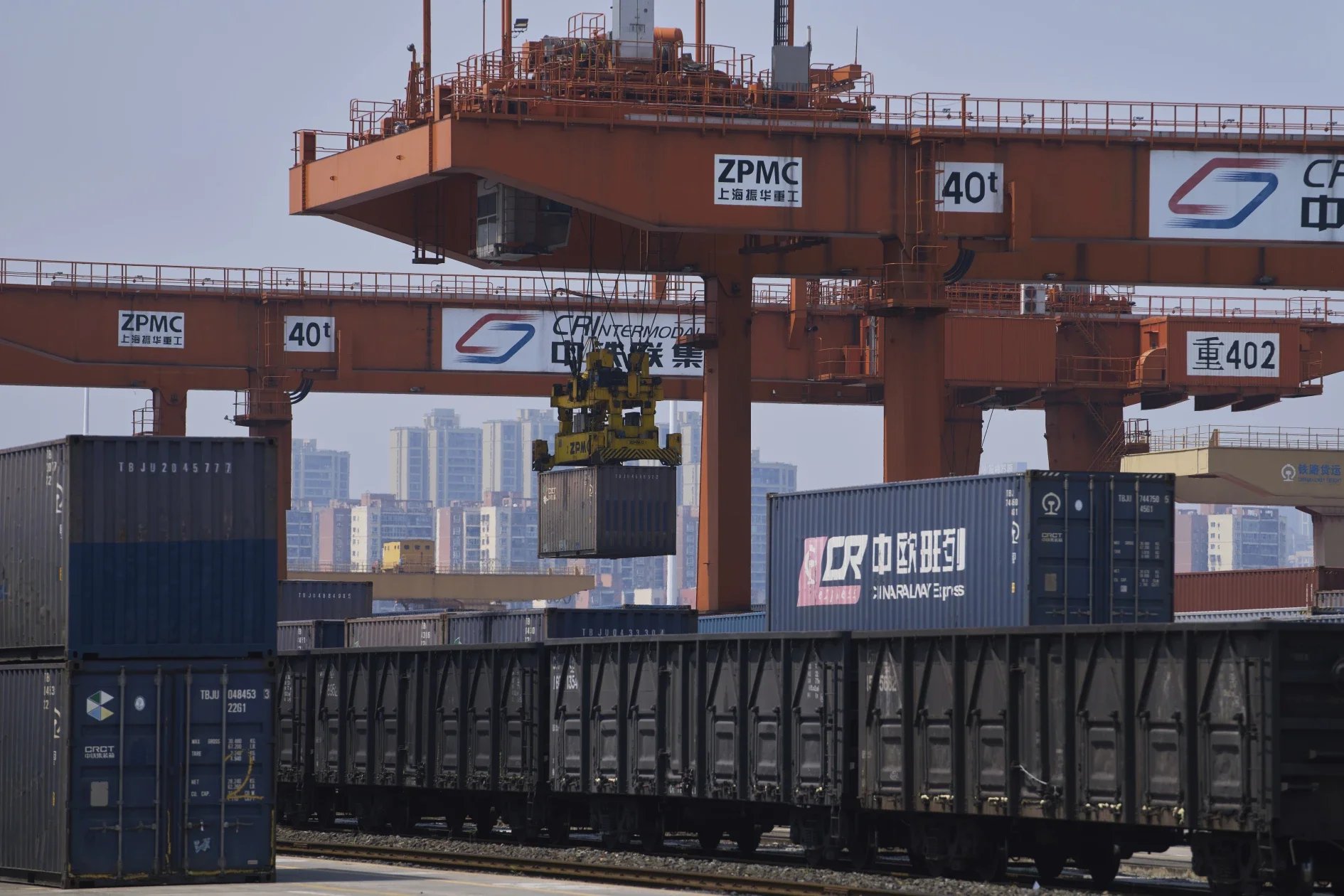
A machine unloading container at the Chongqing Railway Container Terminal Station, in southwest China’s Chongqing Municipality on Tuesday, May 20, 2025. (AP Photo/Andy Wong)
The United States Department of Justice unsealed a federal indictment on March 19, 2026, targeting three individuals closely tied to Super Micro Computer, Inc. Among those charged is a co-founder of the San Jose-based technology company. The indictment describes a large-scale operation intended to circumvent United States export laws. Federal authorities allege that the defendants participated in a scheme to illegally export approximately $2.5 billion in high-performance artificial intelligence servers to China in 2024-2025. This legal development has triggered a significant financial decline for the company and a wave of new litigation from institutional and private investors.
According to the details provided by the Department of Justice, the defendants utilized various methods to conceal the final destination of their hardware. The servers in question are classified as sensitive technology because they contain advanced semiconductors that are restricted under current national security guidelines. These guidelines are designed to prevent foreign powers from acquiring domestic technology that could be used for military or intelligence purposes. The government claims that the individuals involved intentionally misled federal regulators and logistics providers to ensure the equipment reached prohibited entities within China. The scale of the alleged shipments is among the largest reported violations of export controls in the history of the American technology sector.

Visitors walk past a Super Micro Computer Inc. booth at the Computex Taipei exhibition in Taipei, Taiwan, June 5, 2018. (AP Photo/Chiang Ying-ying, File)
The market response to the announcement was immediate and severe. On the day the indictment became public, shares of Super Micro Computer fell 33 percent. This single-day decline eliminated a substantial portion of the company’s market valuation. Investors reacted to the high probability of significant government fines, the potential loss of future federal contracts, and the possibility of more restrictive trade sanctions being placed on the firm. The drop also reflected a loss of confidence in the internal governance of the company, specifically because the charges reached as high as the co-founding level of leadership. Analysts have noted that the financial impact of the DOJ investigation could persist for years as the legal process moves through the court system.
Following the stock price collapse, the legal pressure on Super Micro Computer intensified further. On the morning of April 9, 2026, several prominent law firms officially moved forward with legal action. Firms such as Robbins Geller Rudman and Dowd LLP and Levi and Korsinsky LLP issued formal alerts to the investing public. These firms have now filed class action lawsuits in federal court on behalf of individuals and entities that purchased Super Micro stock between 2024 and early 2026. The lawsuits are built directly upon the allegations found in the Department of Justice indictment. The plaintiffs argue that the company and its executives failed to disclose that a significant portion of its revenue was derived from illegal sales to China.
The legal filings claim that Super Micro Computer made false and misleading statements in its quarterly and annual reports. By failing to mention the $2.5 billion in illegal shipments, the company allegedly presented a distorted view of its financial health and its adherence to federal laws. The lawsuits further contend that the company lacked the necessary internal controls to monitor its global supply chain effectively. As a result of these alleged failures, shareholders claim they purchased stock at prices that were artificially inflated. Now that the true nature of the company’s business practices has been revealed by the Department of Justice, those shareholders are seeking to recover the financial losses they sustained during the stock price crash.
This case serves as a major test for how the United States enforces its technological boundaries in an era of rapid AI expansion. If the government proves that $2.5 billion in restricted hardware was successfully diverted, it may lead to even more aggressive oversight for the entire semiconductor industry. For Super Micro Computer specifically, the long-term risk extends beyond fines and lawsuits to include a potential loss of its export privileges or a permanent spot on federal restricted lists. The outcome will likely determine whether large tech firms are viewed as victims of rogue employees or as active participants in the evasion of national security protocols. This shift in accountability could fundamentally change how global hardware companies manage their international distribution networks and audit their high-value sales.